Start With Where the Caps Will Be Worn
Before you choose a style, think about the job the cap must do. A cap for site staff in Mbombela needs a different feel to a school event cap in White River or a giveaway cap for a product launch in Hazyview. Work use, school use and promotional use all ask for different materials, crown shapes and branding methods.
In the Lowveld, heat, dust and long outdoor shifts matter. A lighter cap with a breathable back can be more comfortable for everyday wear, while a structured cap gives a neater front panel for logos. If the cap is going to be worn near machinery, at loading bays or on site, check that the fit is steady and the peak sits correctly.
- For staff uniforms, choose comfort and repeated wear
- For schools, choose size consistency and easy care
- For promotions, choose a style with good logo visibility
- For outdoor work, choose breathability and a secure fit
Understand Cap Structure Before You Order
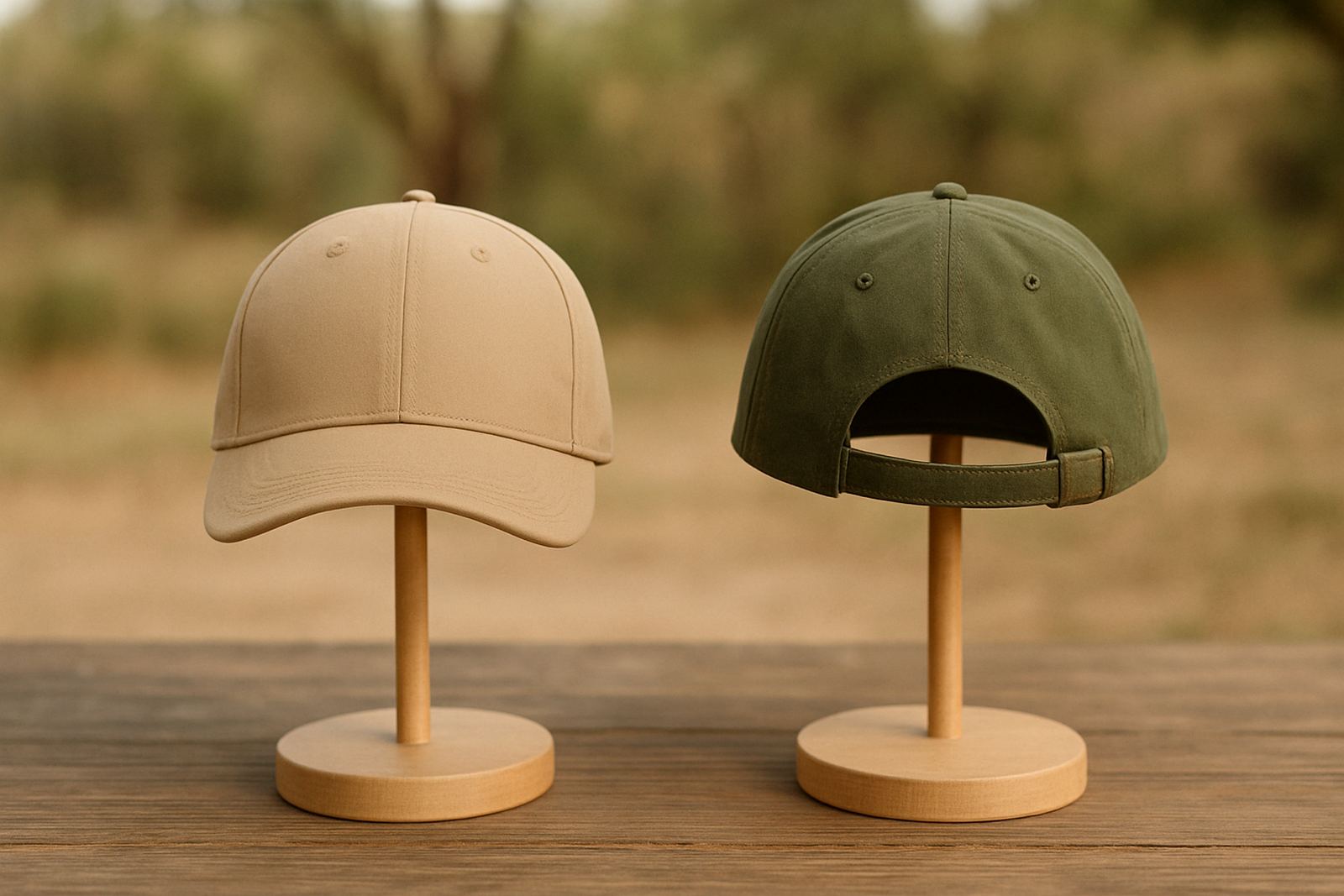
Cap structure affects both comfort and branding. A structured cap keeps the front panel firmer so embroidery or print sits flatter and looks more consistent across a bulk order. An unstructured cap feels softer and can suit casual wear, but it may not hold a bold logo as neatly.
Panel count also matters. Six-panel caps are common and often give a balanced front area for branding. Five-panel styles can suit larger front prints because the front section is broader and less divided. Peak shape, front height and panel stitching all change the finished look, so it helps to compare samples before placing a big order.
- Structured caps suit cleaner logo presentation
- Unstructured caps suit casual, softer styling
- Five-panel caps can give more front print space
- Six-panel caps are a familiar all-round choice
Choose the Right Closure for Fit and Reuse
Closures are easy to overlook, but they decide how well the cap fits different heads and how often it can be reused. A fixed-size cap gives a neat finish, though it only suits a narrower range of wearers. Adjustable closures work better when the same cap must fit a team, learners or event staff in different sizes.
If you are ordering for schools, clubs or mixed staff groups, adjustable closures are usually the safer option. They help with reissue, replacements and stock control. For uniforms that need a more fitted look, fixed sizes can work if you already know the head sizes and quantity breakdown.
- Adjustable closures suit bulk orders with many wearers
- Fixed sizes suit planned uniform runs
- Check that the closure sits comfortably under hair or protective gear
- Make sure the fastening is strong enough for repeated use
Match Logo Space to Your Branding Method
The size and position of your logo should match the cap style. Small left or right front logos work well for embroidery, while larger front branding may suit print on selected cap types. If your artwork includes fine text, tiny details or thin lines, the cap surface must support clear reproduction without crowding.
Not every logo works the same way on every cap. Curved panels, seams and stitching can interrupt small details, so digitising must be planned properly before production begins. A simple logo usually gives the best result on caps, especially when the branding must be read from a short distance at a gate, on a vehicle run or during school functions.
- Keep text large enough to be read at arm’s length
- Avoid very thin lines if the cap fabric is textured
- Leave space above seams and panel joins
- Use one clear placement rather than trying to fit too much in
Pick the Best Branding Method for the Job
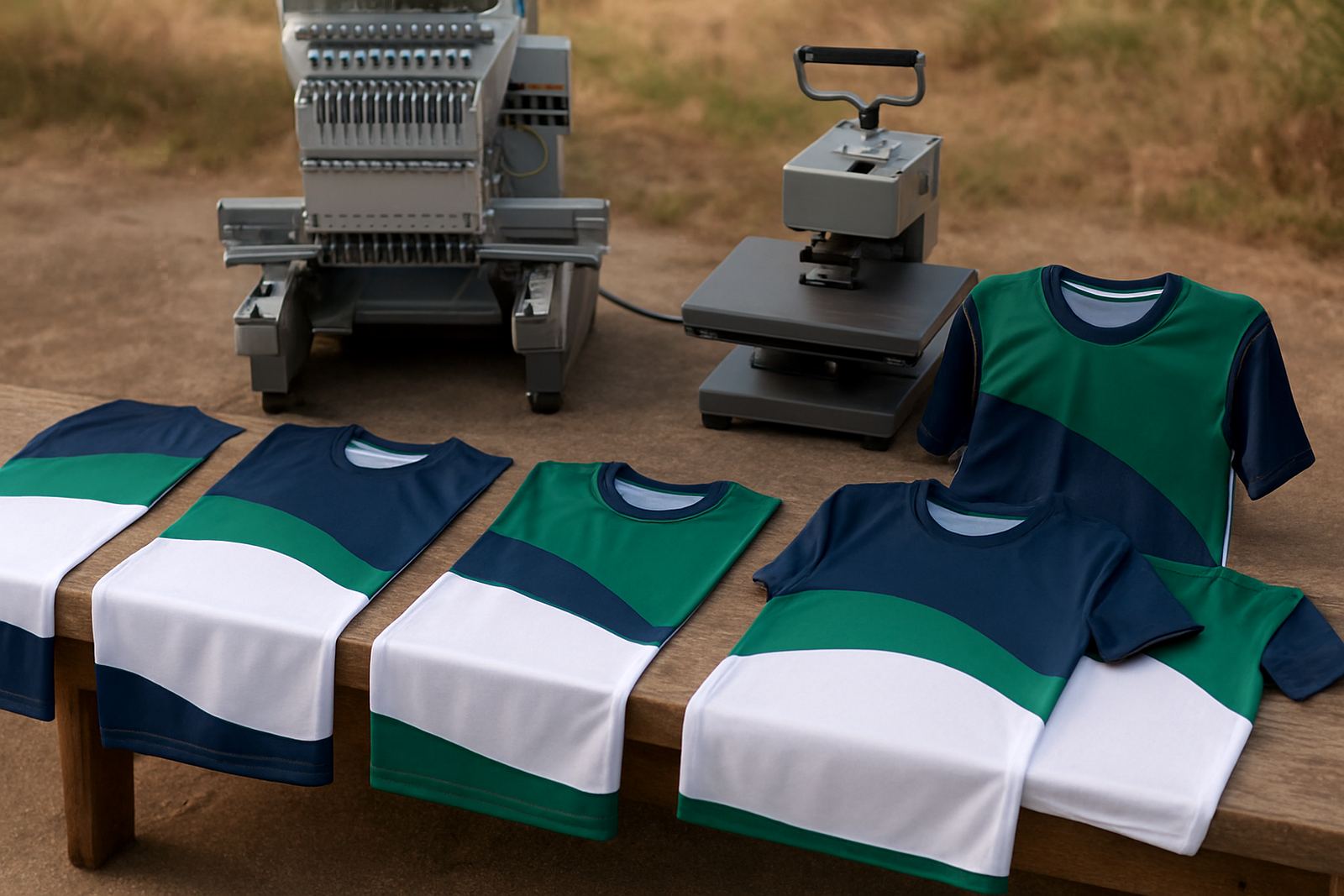
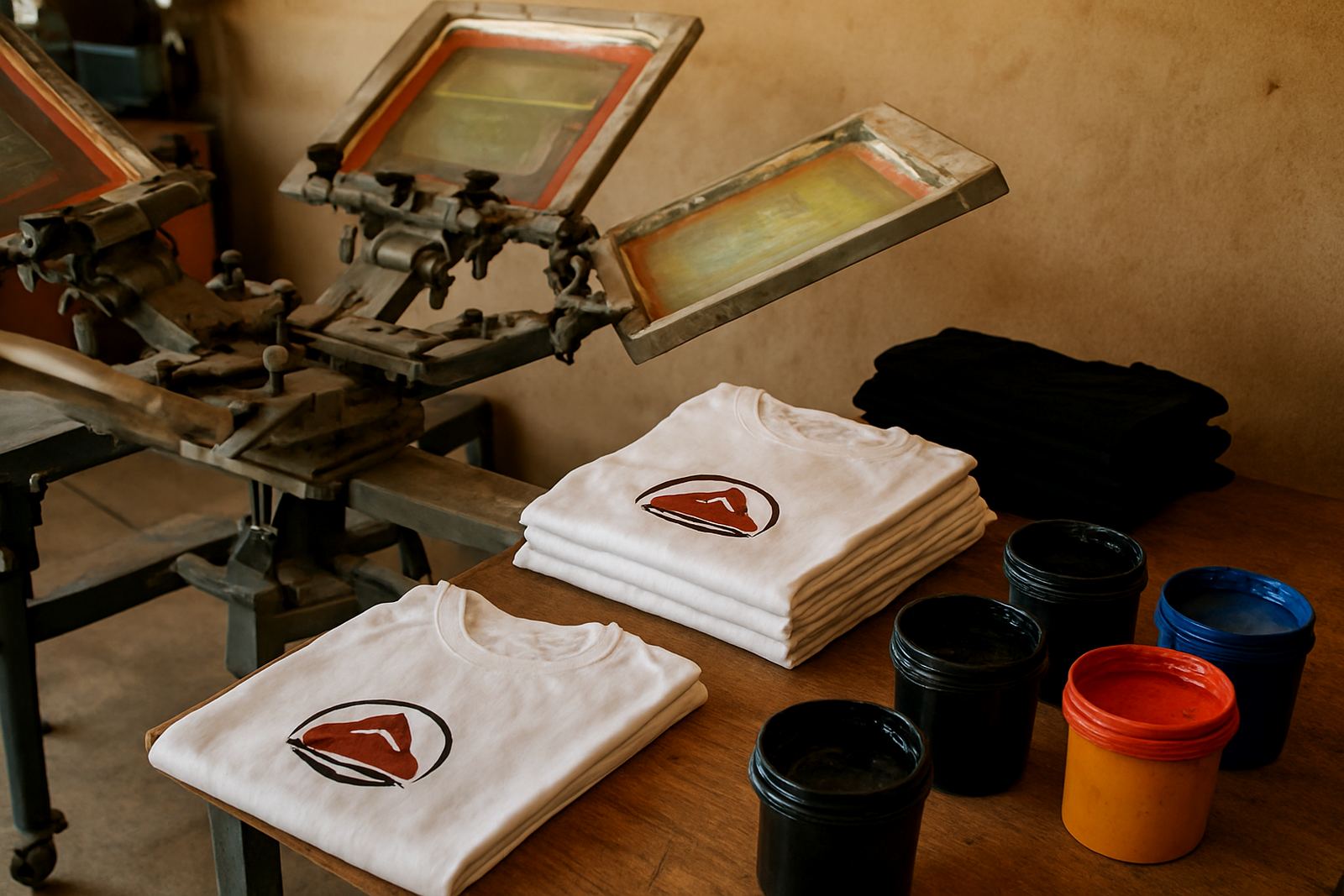
Different cap types suit different branding methods. Embroidery gives a raised, durable finish that works well for most corporate caps and school caps. Screen printing is useful for certain flatter front areas and simpler artwork. If the design needs all-over colour or a special look, sublimated material may be the better route on the right cap style.
The right choice depends on how the cap will be used and washed, plus how detailed the logo is. For long-term wear in the heat and dust of the Lowveld, embroidery is often the first choice because it holds up well. For short-run promotions, printed caps may be more suitable if the artwork is simple and the quantity is high enough to justify the setup.
- Choose embroidery for a durable corporate finish
- Choose print for simple artwork on suitable cap surfaces
- Choose sublimation where the fabric and design allow it
- Ask how the branding method affects price per unit
A Simple Ordering Checklist for Bulk Caps
When you are ready to order, gather the details before sending through your enquiry. This saves time and reduces back and forth, especially if the order includes different sizes, colourways or personal names. For schools and businesses across Mbombela, White River, Malelane and Barberton, a clear checklist helps keep the order on track.
Have your logo file ready if possible, and note where the caps will be worn, how many are needed and whether you want embroidery, print or a mixed approach. If you are unsure, a mock-up and approval stage can help you compare options before production starts.
- Quantity needed per colour or size
- Preferred cap colour and closure type
- Logo placement, front, side or back
- Branding method and whether names are needed
- Deadline for uniforms, events or school functions
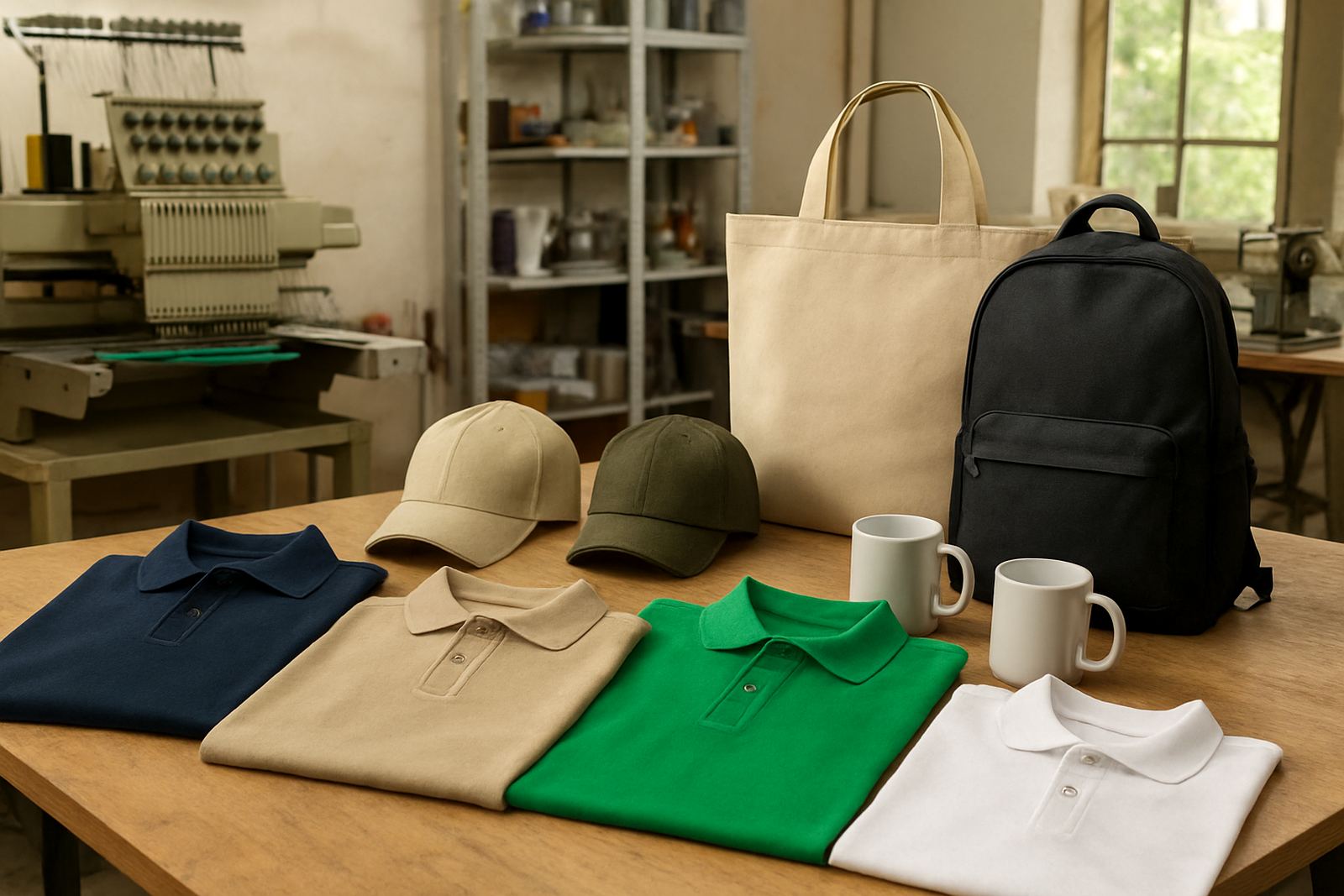
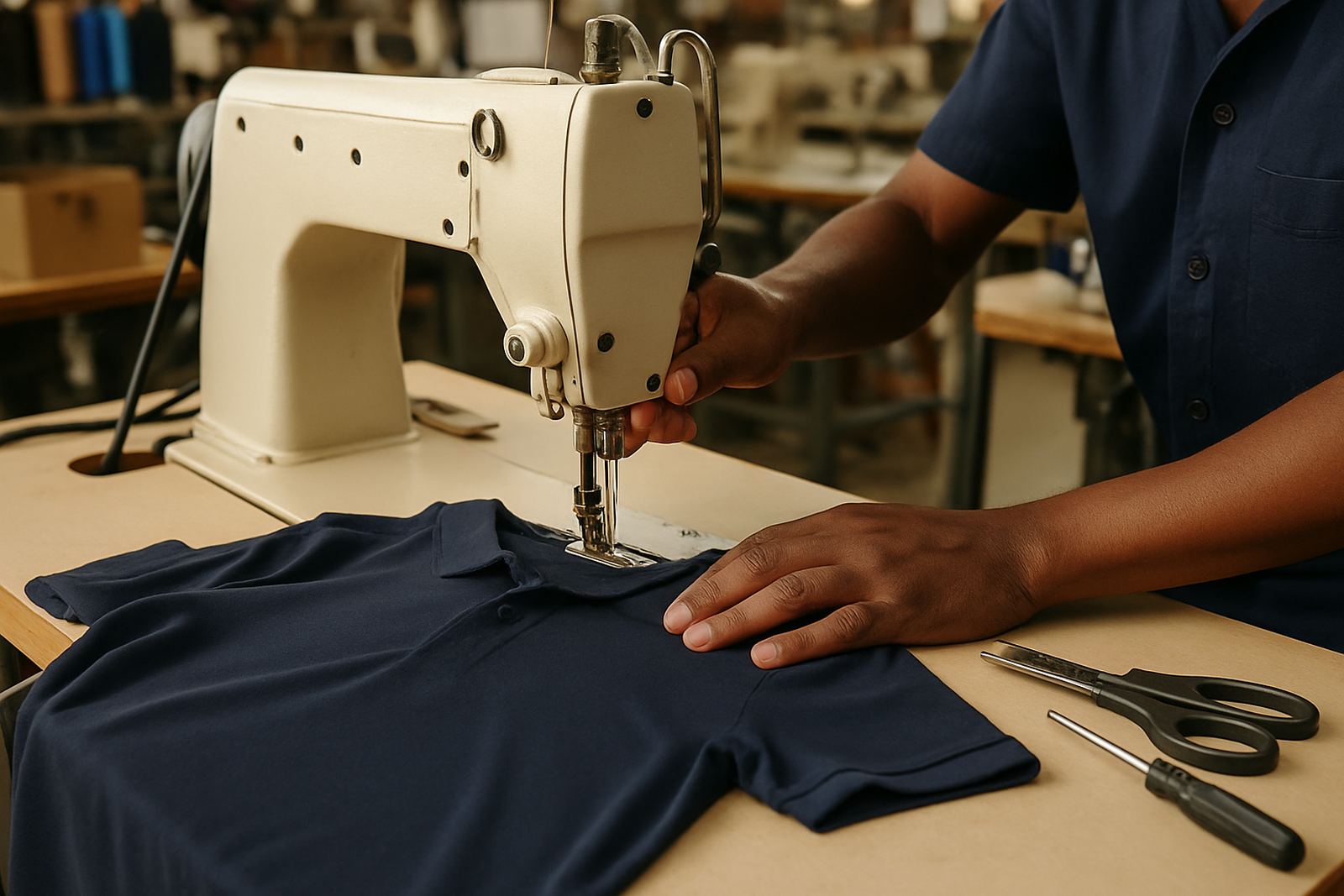
At CK Embroideries in Riverside, Mbombela, the team handles logo digitising, mock-ups, production and packing in one place. That makes it easier to manage cap orders for Lowveld businesses and schools, even when the order includes mixed branding or different departments.