Embroidery-Ready Files Built for Real Garments
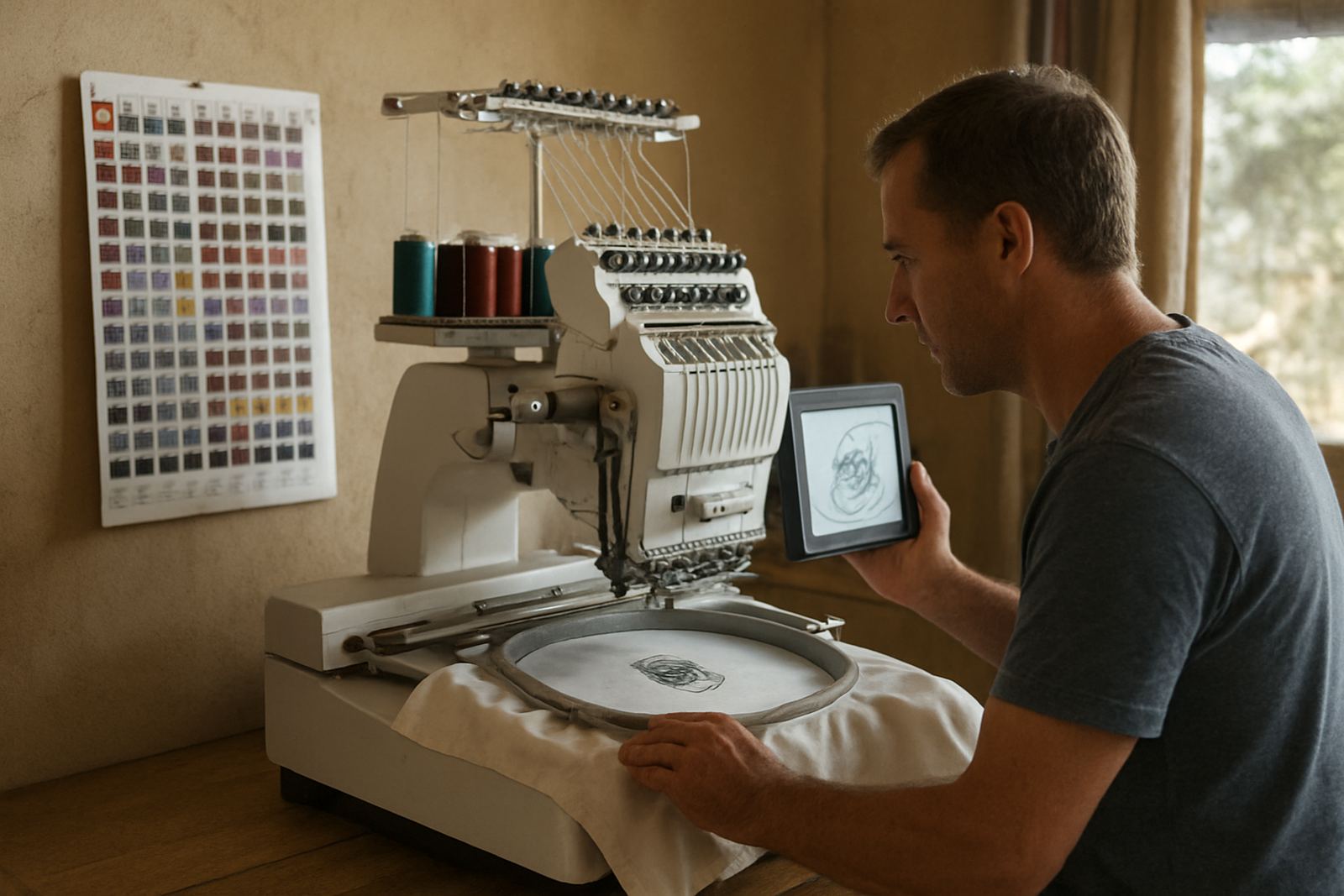
Logo digitising is the step that turns a flat logo into a stitch file a machine can read. Done well, it gives you clean outlines, correct spacing, solid fills and neat lettering that holds up on shirts, golf shirts, jackets, caps, bags and school wear. At CK Embroideries, we prepare files for practical use on real garments, not just for looking good on a screen.
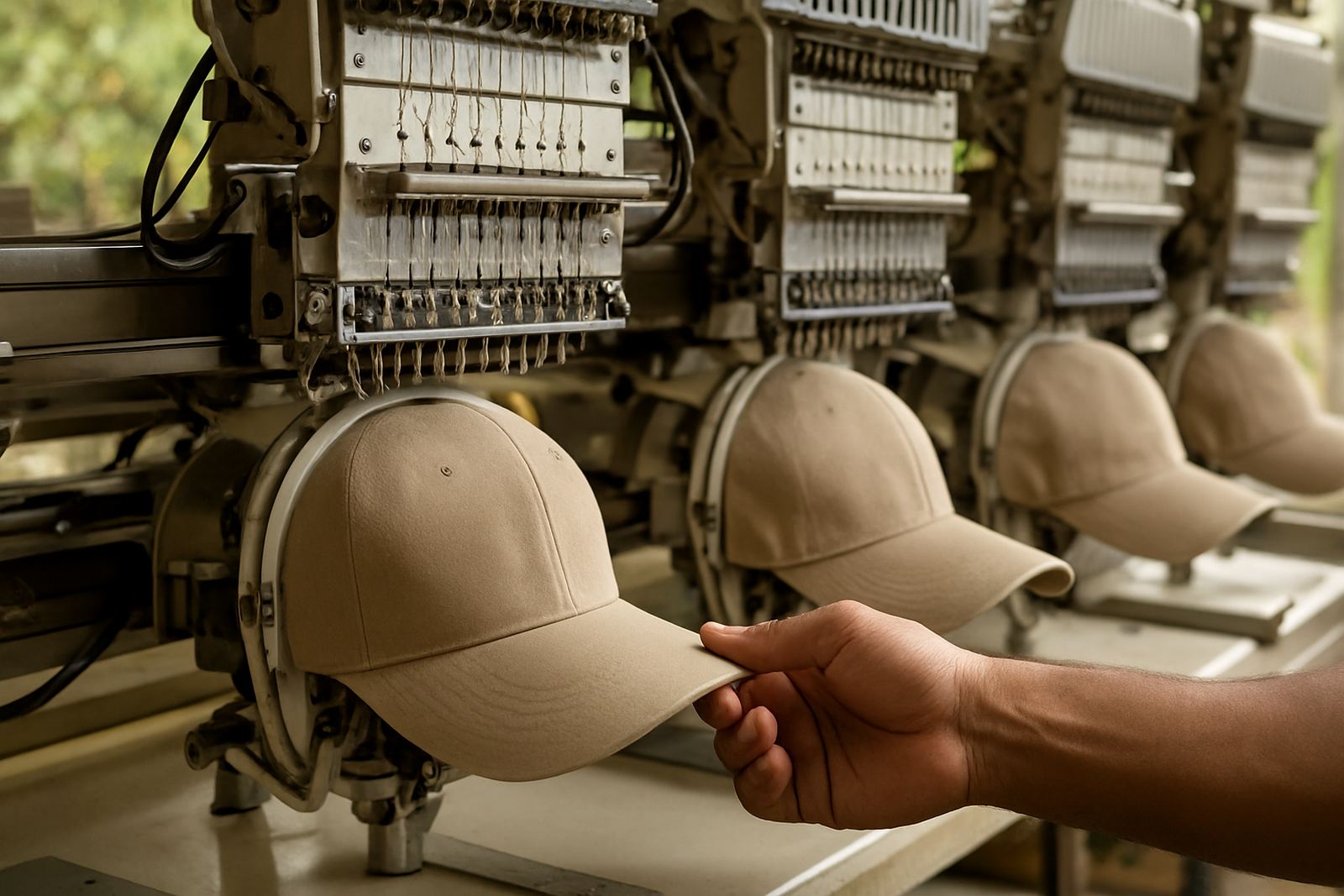
We work from your logo artwork and build the stitch plan around the item it will be used on. A chest logo on a golf shirt needs different treatment from a cap front or a bag panel. Thread direction, underlay, stitch density and pull compensation all matter. If the file is not set up properly, you get puckering, broken text or uneven edges, especially after repeated washing or wear in the Lowveld heat.
- Files set up for embroidery machines and repeat production
- Suitable for cotton, polycotton, performance fabric and some woven items
- Adjusted for garment size, placement and thread count
- Prepared for low, medium and high stitch count designs
What We Check Before We Start Digitising
We first check the artwork quality, the level of detail, the intended use and the garment size. A logo that looks fine in print may need simplifying for embroidery, especially if it has thin lines, tiny text or a lot of colour changes. We will also look at whether the branding must work on dark fabric, light fabric or both. That affects thread choice and edge treatment.
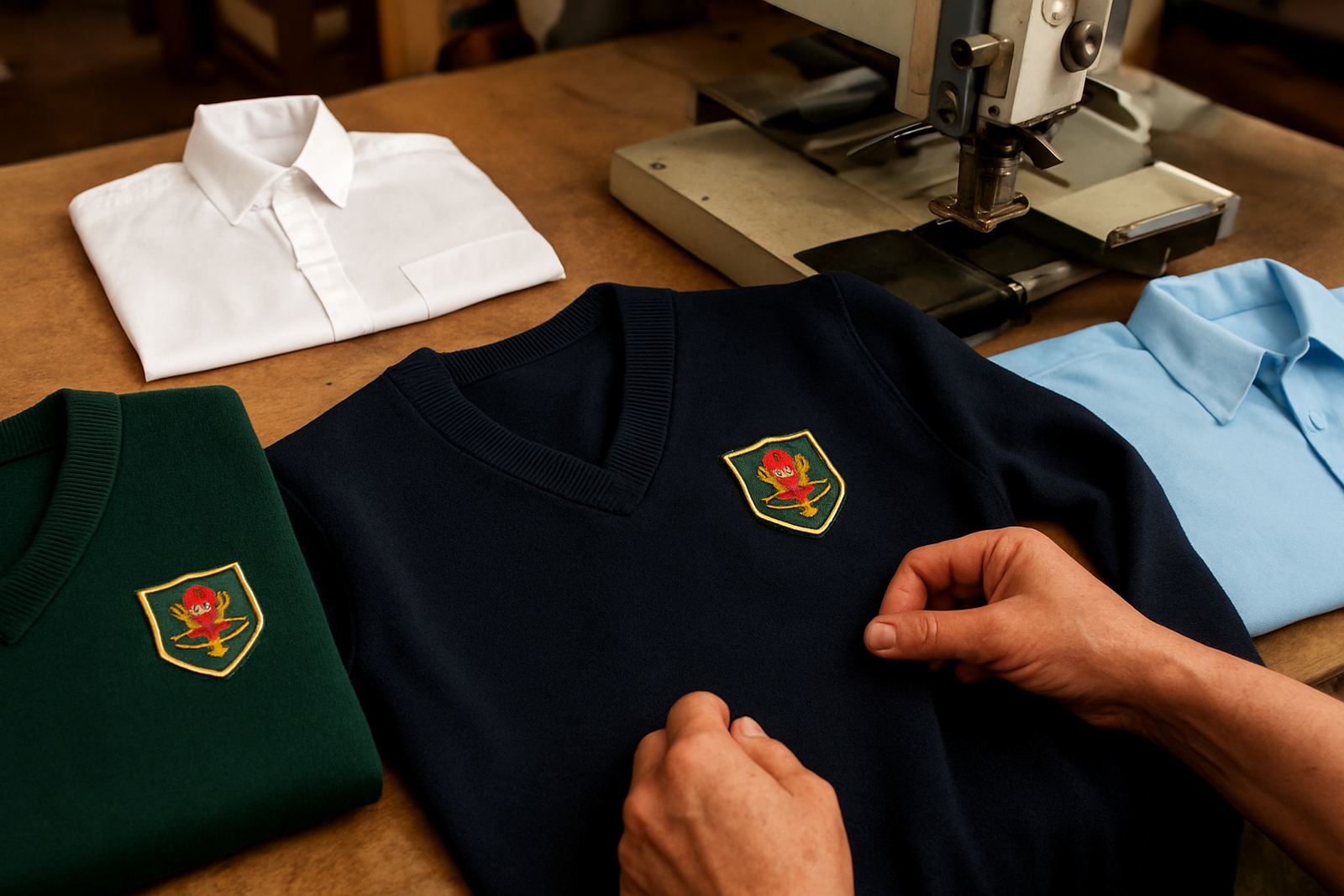
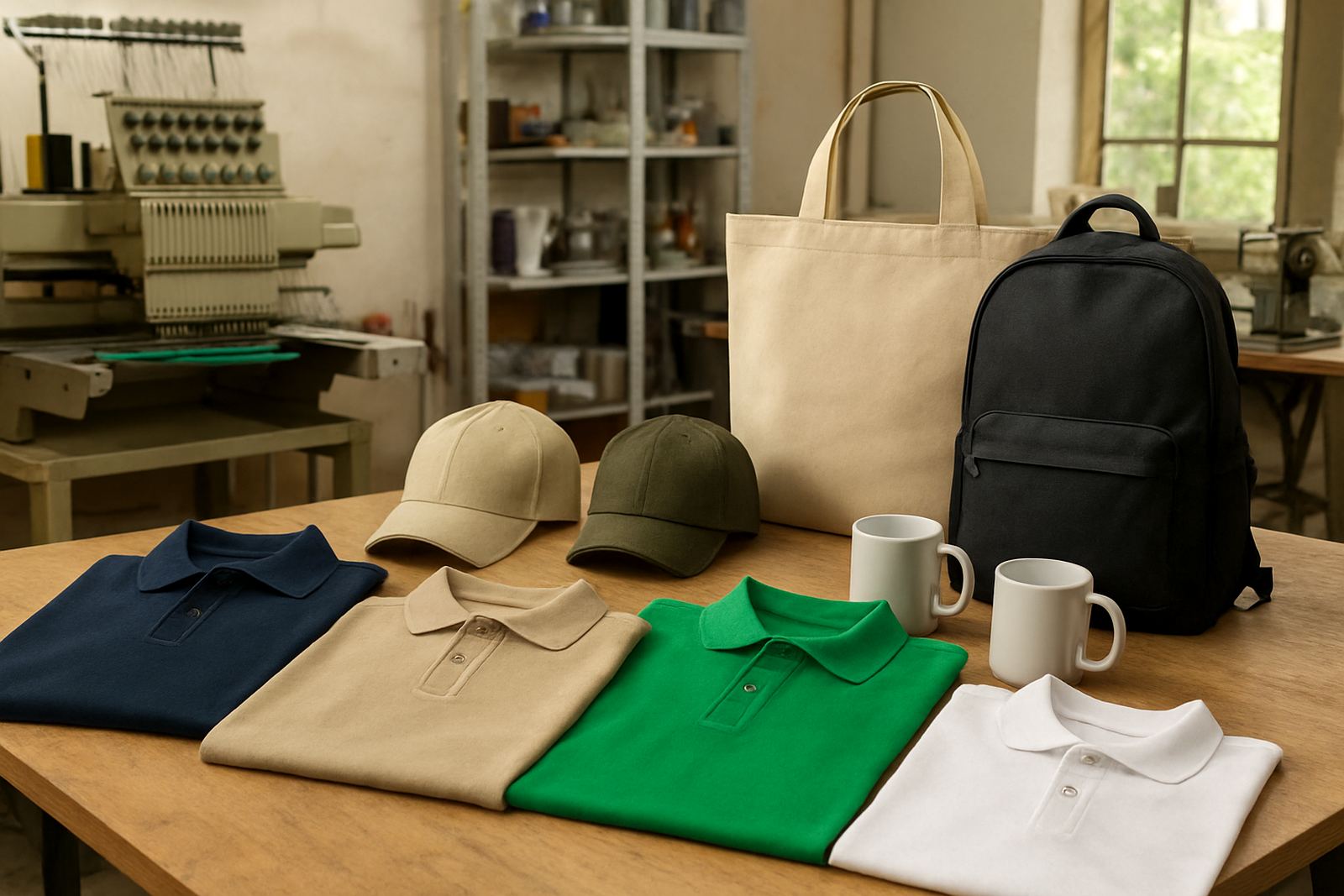
For schools and corporates in Mbombela and nearby towns, we often prepare more than one version of the same logo. A full version may be suitable for left chest, while a simplified version works better for caps, sleeves or small bag branding. If your logo includes gradients or fine shading, we can convert it to a stitch-friendly format and advise where detail should be reduced so the final result stays legible.
- Artwork review for clarity, size and stitchability
- Advice on logo simplification where needed
- Placement guidance for shirts, caps, bags and jackets
- Thread colour matching to your brand colours where practical
Our Digitising Process From Artwork to Approval
We follow a clear process so you know what is being produced and when. Once we receive your logo through the enquiry form on our contact page, we assess the artwork and confirm the intended item, size and quantity. From there, the file is digitised by our specialist and prepared for a sample stitchout or visual approval, depending on the job.
If changes are needed, we make them before bulk production starts. This helps avoid wasted stock and keeps repeat orders consistent. For companies that reorder every few months, keeping the stitch file properly stored is important because it allows the same result each time, even if a different batch of garments comes in later.
- Step 1: Receive artwork and confirm garment type
- Step 2: Digitise the logo into an embroidery file
- Step 3: Check stitch direction, density and sizing
- Step 4: Share approval visuals or sample output if required
- Step 5: Save the final file for repeat use and future orders
Turnaround Times for Lowveld Orders
Turnaround depends on the complexity of the logo and how quickly approvals are given. Simple lettering and one or two colour logos can often be prepared faster than detailed emblems with fine text or layered fills. If you need the file for a new staff issue, a school event or a promotion, please allow time for artwork checking and approval before the embroidery starts.
We plan around the realities of local production, including load-shedding and busy seasonal order periods. That means we work with clear deadlines and keep you informed if an item needs extra setup time. For urgent jobs, it helps to send the correct artwork format and final size from the start so there are fewer back-and-forth changes. A little preparation saves a lot of time later on.
Typical timing varies by design, but our goal is always to keep the file accurate first and quick second. Rushed digitising usually leads to poor stitching, and that is not worth the risk on corporate wear or school uniforms where the branding needs to stay neat for months.
Pricing That Reflects the Logo, Not Just the Size
Digitising is priced according to the complexity of the logo, the stitch count, the level of detail and whether more than one version is needed. A simple name or basic emblem generally costs less than a detailed crest with fine text and multiple colour blocks. We quote fairly and keep the structure clear, so you understand what you are paying for.
If the same logo must be prepared for a shirt, cap and bag, we may need separate file adjustments because each item behaves differently under the needle. That is normal and often necessary for a clean finish. Once a file is properly set up, repeat use on future orders is straightforward and cost-effective.
- Pricing based on logo complexity and stitch count
- Separate file versions quoted where needed for different items
- Good value for repeat corporate and school orders
- Clear quoting before production starts
File Care and Maintenance for Repeat Branding
Embroidery files should be checked from time to time, especially if your logo changes, your brand colours shift slightly, or you start using a different garment weight. Over time, a file may need maintenance to keep the stitches clean and balanced. This is common with long-running corporate accounts and school programmes.
We recommend reviewing the file if the logo gets updated, if fine text begins to stitch too tightly, or if the design is moving to a different item such as a cap, bag or jacket. For items exposed to strong sun, regular washing or coastal humidity, thread performance and stitch balance matter even more. Keeping the file in good condition helps avoid distortion and keeps the branding looking tidy, not messy.
Our team can update existing files, make size adjustments and prepare alternate versions for future use. That saves time when you need to place another order for White River, Hazyview, Malelane, Barberton or anywhere else across the Lowveld.
Key facts
| File type delivered | Embroidery-ready stitch file prepared for machine use |
|---|---|
| Recommended artwork format | High-resolution vector artwork or a clean image file |
| Common logo size range | Left chest 70 to 100 mm wide, cap front 50 to 60 mm wide |
| Detail suitability | Best for bold lettering, clear icons and controlled fine detail |
| Typical thread usage | Matched to branding colours where practical, with satin and fill stitches |
| Maintenance interval | Review when the logo changes, after major garment changes, or before repeat bulk orders |