
A working kit for a Malelane farm team
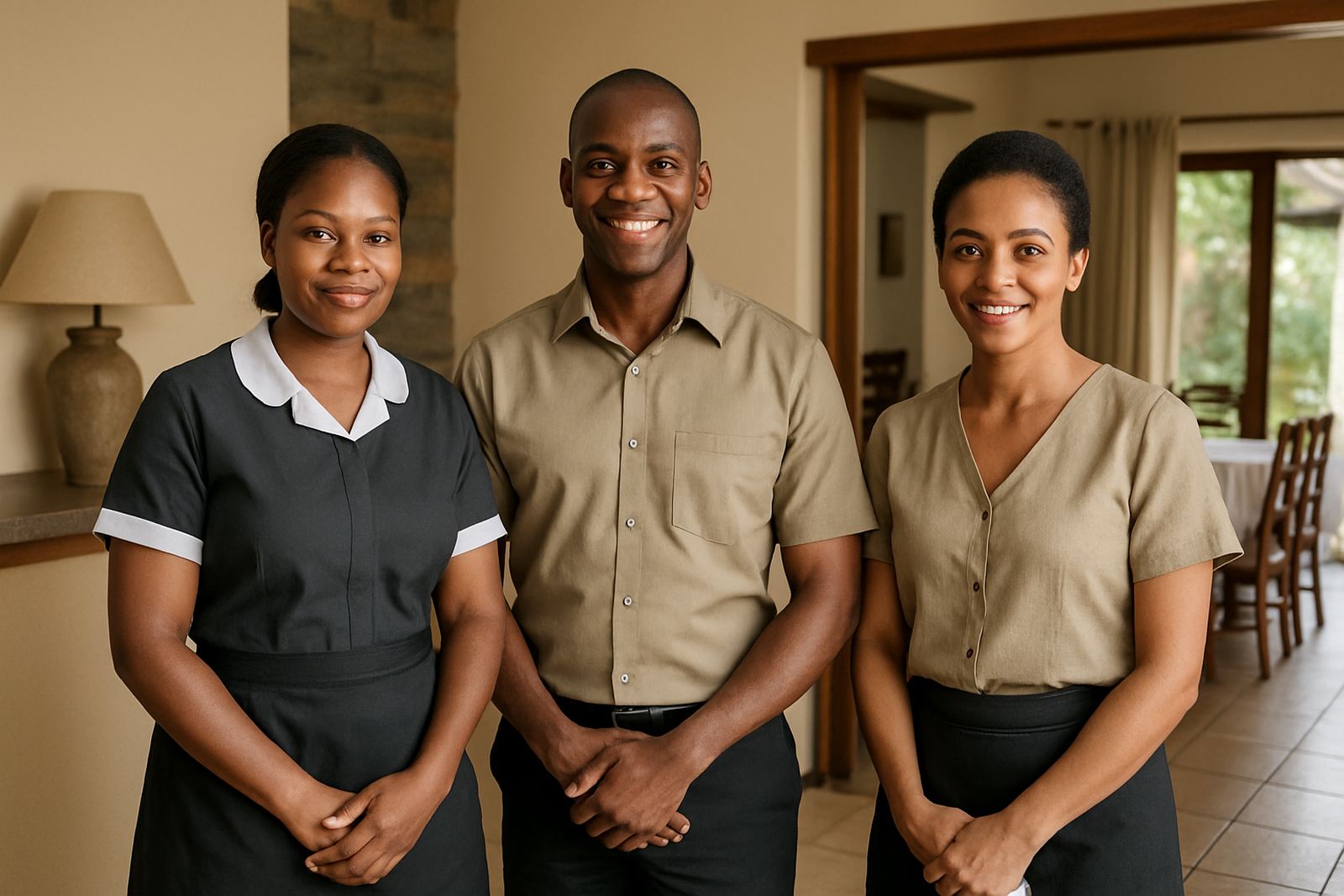
The client was a farming operation based near Malelane, serving a crew that moves between orchards, pack areas and vehicles through the week. Their need was simple and practical: clothing and accessories that identify the team clearly, hold up to regular washing, and still look neat when staff meet suppliers or visit neighbouring farms.
The brief covered field shirts for daily wear, caps for sun protection, and cooler bags for lunch and water. Because the team works in the Lowveld heat, the garments had to breathe well and the branding could not be heavy or stiff. We worked around a two week lead time, with approvals built in before production so the client could check positioning and colours first.
What we had to account for on the farm
Farm clothing in Malelane has a different set of demands from office uniforms. The team wanted a smart look, but the items needed to cope with dust, sweat, morning mist and regular movement in and out of vehicles. Cooler bags had to be useful first, with branding that stayed visible and clean after daily handling. The order also needed to suit a mixed workforce, so sizing and packing had to be organised properly.
- High visibility of the logo without over-branding the garment
- Comfort in warm weather and under long sleeve field use
- Durable finishes that would not crack or peel quickly
- Clear size separation for smooth issue to staff
- Practical items that could be used every day, not only for events
We also kept the work suitable for the local conditions around Malelane where humidity and heat can affect both fabric choice and storage. For that reason we avoided any heavy decoration that would trap too much heat or feel awkward during long shifts.
Digitising, artwork checks and approval
The first step was logo digitising. The client supplied a logo that needed to be cleaned up for embroidery and adjusted for small placement on caps and shirt chests. Our digitising specialist prepared the stitch file so the detail stayed readable at a practical size, especially on the cap front where small elements can get lost if the setup is rushed.
We then supplied mock-ups showing the shirt chest, cap front and cooler bag panel placements. This gave the client a clear view of how the finished set would sit across each item, and it helped with approval on logo size, thread colour and print position. The comments came back quickly, which kept the project moving on schedule and reduced rework later.
For the shirts, the branding was kept neat and workmanlike. For the bags, we used a flatter application that would sit well on the panel and not interfere with the zip or handle area. It sounds minor, but on a farm it makes a real diffrence when people are carrying kit around all day.
What we supplied and how it was finished
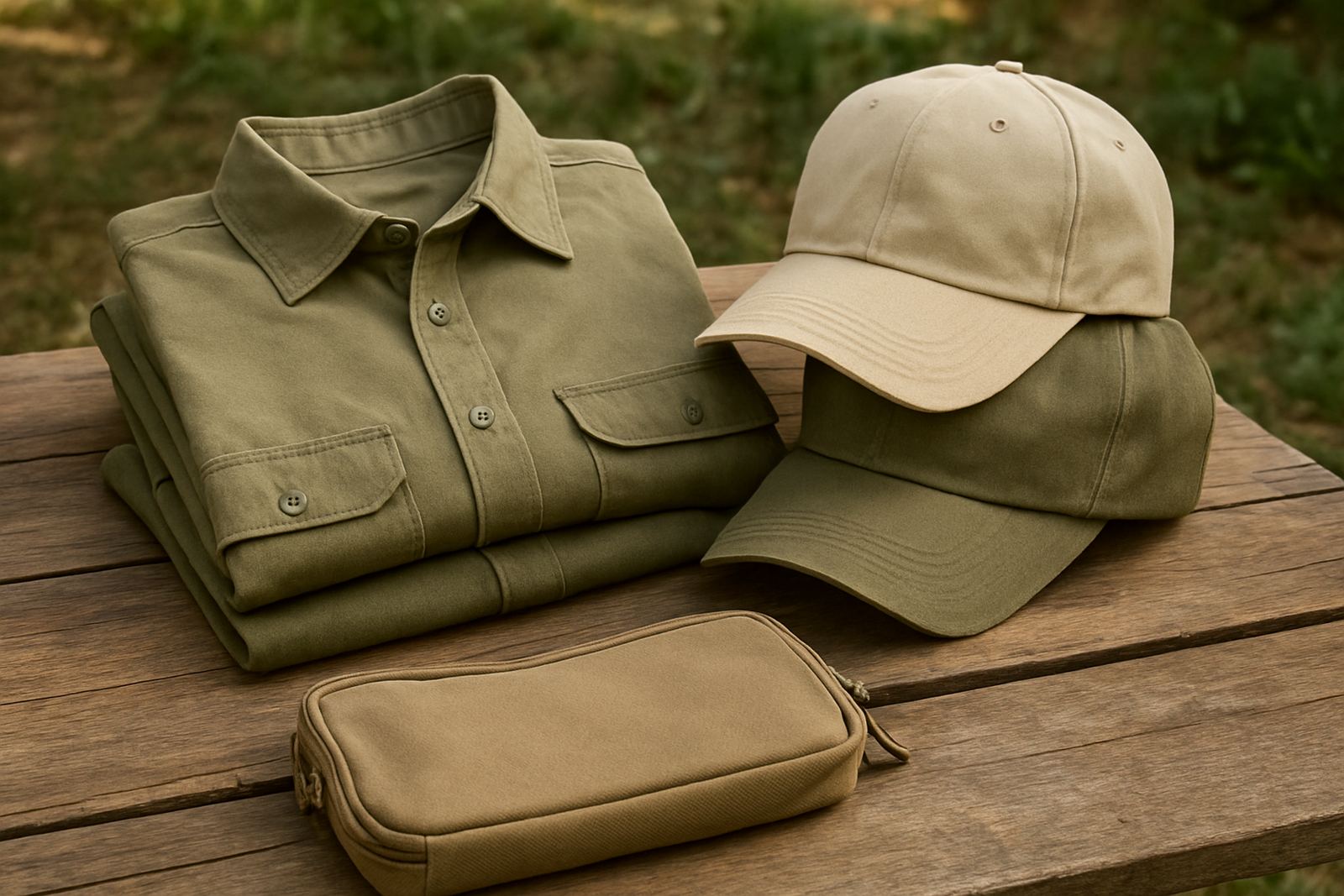
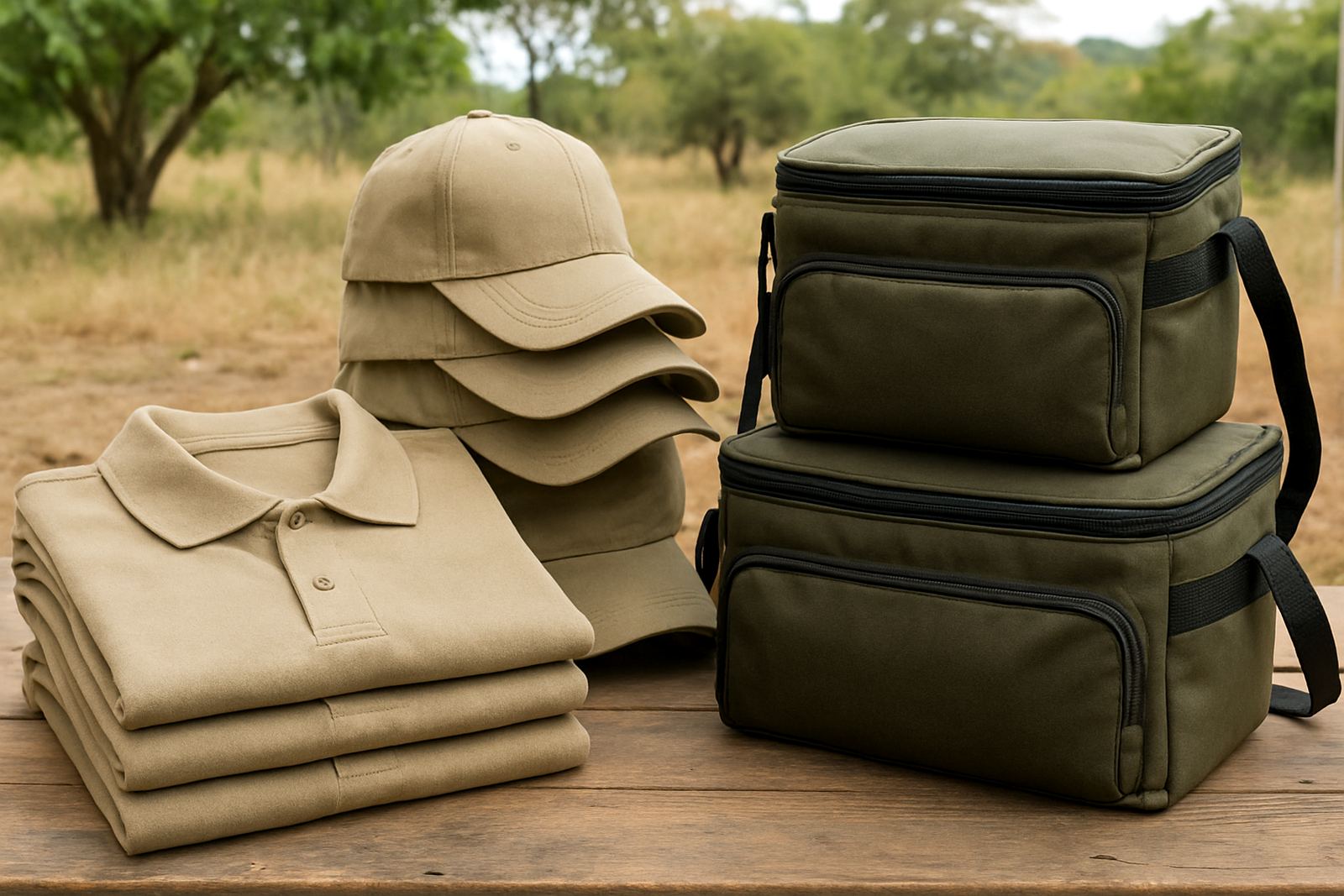
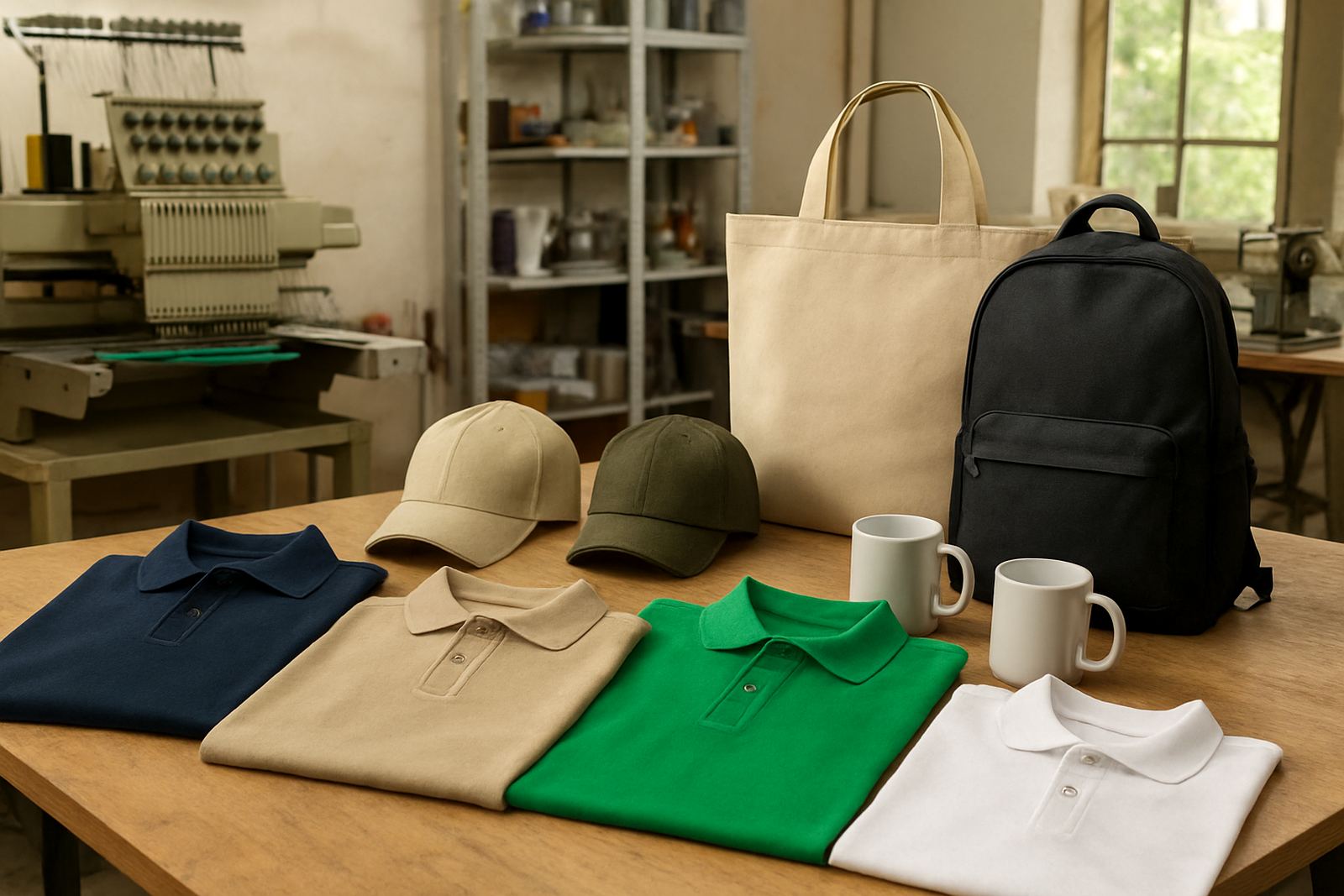
The order included field shirts, caps and cooler bags branded for the same team identity. We used embroidery on the shirts and caps for a durable finish, and branding on the bags that would stay presentable under regular handling. The aim was not to make the items flashy, but to make them dependable and easy to issue across the crew.
- Field shirts with chest embroidery for daily team wear
- Caps with front branding for sun protection and quick identification
- Cooler bags with branded panels for lunch and water storage
- Bulk packing separated by size and item type for issue control
- Final checks for thread consistency, placement and finish quality
We also packed the order by size ranges so the farm could hand items out quickly without sorting on site. That matters when a team is starting before sunrise and there is not much time to spare.
Production timeline and delivery to the Lowveld
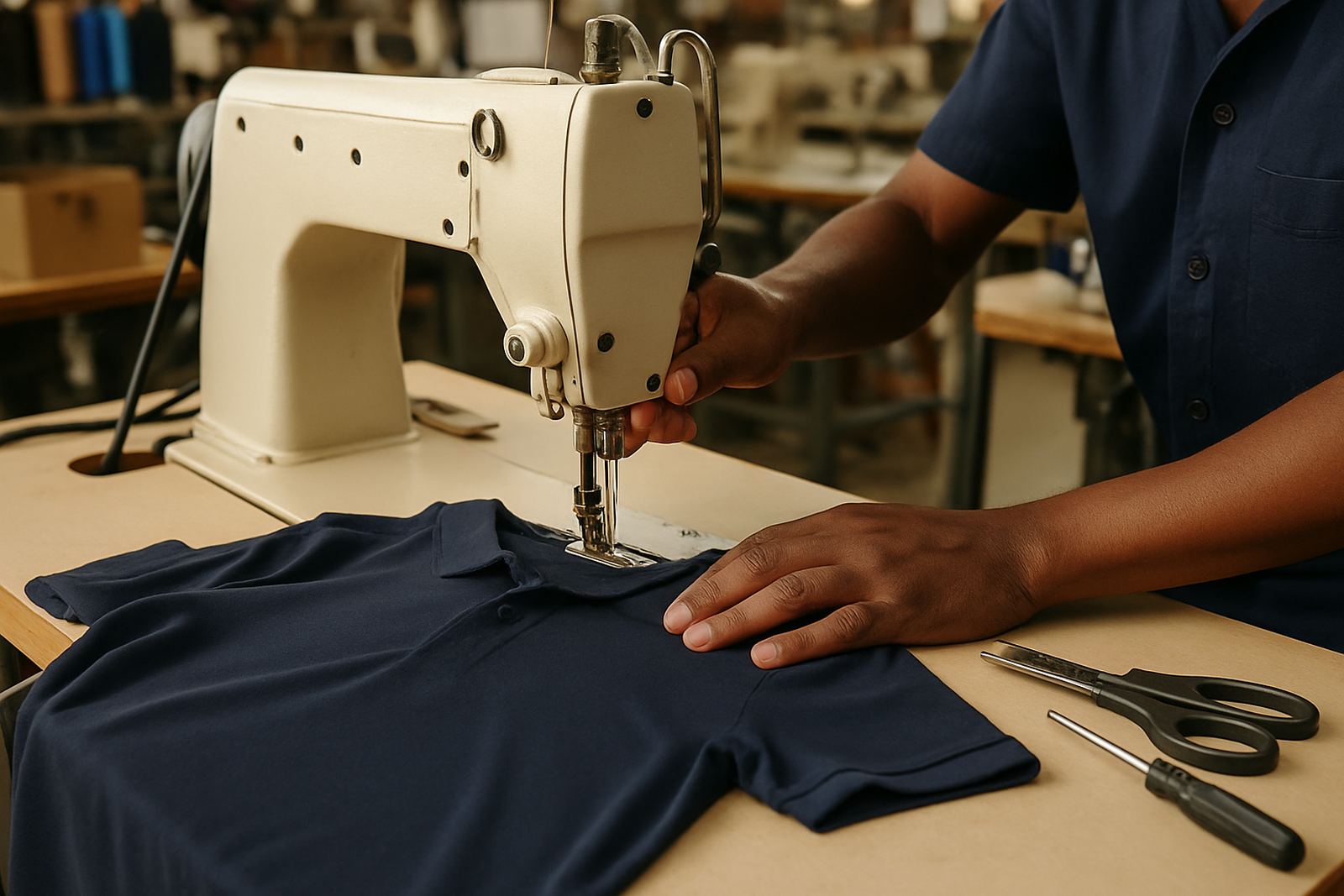
The project ran over two weeks from artwork check through to final packing. Week one covered digitising, proofing and approval. Once the artwork was signed off, production moved into embroidery setup and item prep. Week two covered stitching, branding, inspection and packing for dispatch.
Working from Riverside in Mbombela, we were able to keep communication local and practical. The client did not have to wait long for feedback, and any small adjustments were handled before production got too far along. That reduced stress and kept the order on track for their issue date.
For farm clients across Malelane and the wider Lowveld, timing matters because work does not stop for uniform delays. We planned around that reality, and the order went out in one grouped delivery rather than in parts. No one wants half a crew waiting for shirts while the other half has already started using theirs.
Results on the ground after issue
Once the team started wearing the kit, the effect was immediate. The shirts gave a clean, consistent look across the workforce, the caps helped with sun and dust, and the cooler bags were useful from day one. The client wanted practical identity for the crew, and that is exactly what the finished set delivered.
What stood out most was the balance between appearance and utility. The branding was clear enough to be noticed by visitors, but the items still felt like working gear. That is the right result for an agricultural team, where clothing must perform first and still represent the business well.
We also had the usual follow up that comes with a good issue process: a request to keep the same setup on file for future reorders. That makes sense for farms, because staff numbers can change through seasons and it helps to have the artwork and item spec already sorted.
What we would repeat for similar farm orders
If we were doing the same project again for another Malelane farm team, we would keep the same approach. Start with clean digitising, use practical mock-ups, confirm sizing early, and package the order by department or size. That process saves time and avoids confusion when the goods arrive on site.
We would also keep the branding restrained and functional, especially for outdoor staff. In the Lowveld heat, light garments and a sensible logo size usually work better than oversized decoration. For shirt and cap orders in agriculture, it is better to be durable and tidy than overly complicated.
That was the value of this project: a straightforward uniform solution for a working team, delivered on time and ready for daily use. It supported the farm's image while still holding up to the conditions that come with real field work.
Key facts
| Project | Malelane Farm Crew |
|---|---|
| Client type | Agricultural team in Malelane |
| Items supplied | Field shirts, caps and cooler bags |
| Branding methods | Logo digitising, embroidery and printed bag branding |
| Timeline | 2 weeks from proofing to delivery |
| Service area | Malelane, Mbombela and the wider Lowveld |