What the Malelane team needed on the road
The client was a small-to-medium business team based in Malelane running a travelling awareness and sales campaign through nearby towns and rural stops. They needed branded clothing and giveaway items that could be issued to staff, drivers and promo assistants without creating delays each morning. The kit had to work for a mixed team, with sizes for men and ladies, and still present as one clean unit when they arrived at a site.
Because the campaign moved between Malelane, Hazyview, White River and Barberton, the clothing had to keep its shape after folding, packing and repeated wear. The client also wanted items that could be re-used after the campaign, not just one-event pieces. That meant practical fabric choices, correct logo sizing, and a print finish that would not crack or wash out after a few hot days in the Lowveld sun.
Our brief and the production constraints
The brief covered logo digitising, corporate wear, caps, printed T-shirts, branded bags and a small selection of handout gifts. The team wanted a clean, professional look with the same logo treatment across every item, from chest embroidery to larger screen printed artwork. We also had to keep the order moving inside a tight window because the roadshow dates had already been fixed.
There were a few practical constraints. The campaign team needed stock packed by person and by day, so bulk loose cartons would have slowed them down. The garments needed to cope with humidity and long hours in vehicles, and the caps had to be comfortable for outdoor use in full sun. We also had to allow time for approval on artwork, since some items needed a smaller logo on the front and a larger campaign mark on the back.
- Required turnaround: 3 weeks from approved artwork to collection
- Clothing mix: polos, T-shirts, caps and light outerwear
- Usage: daily travel, site visits, community handouts and staff wear
- Packing note: each staff set separated and labelled by size
Digitising and artwork setup
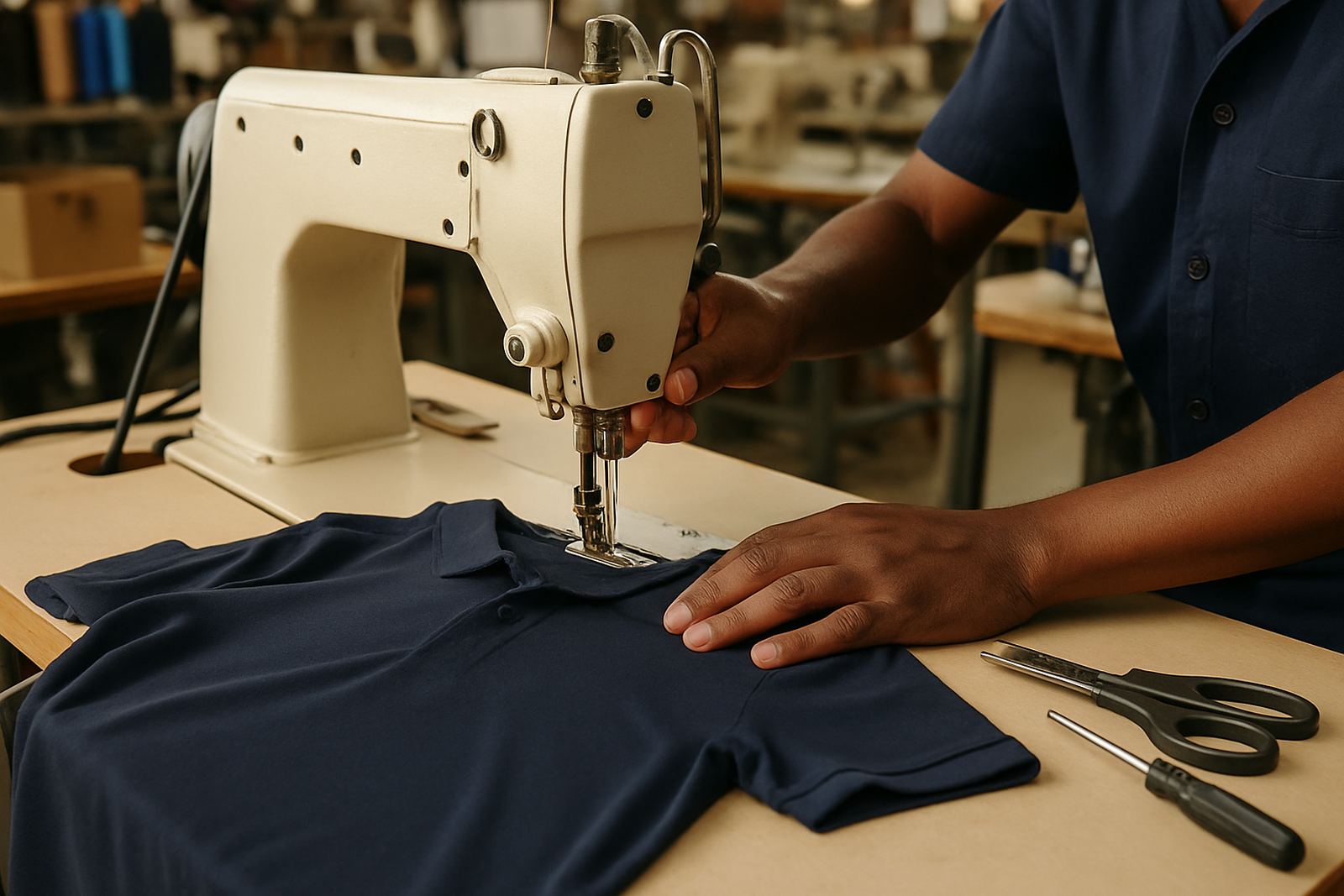
We started with logo digitising so the embroidery would stitch cleanly on polos, caps and lightweight jackets. The original artwork had small line work and a fine text section, so we simplified a few details for stitch clarity without losing the brand feel. Once the stitch files were set, we prepared mock-ups for each garment type and one approval sheet for the giveaway items.
For the printed pieces, we matched the artwork to each item’s size and surface. The T-shirts carried a bold front print for visibility from a distance, while the bags used a flatter layout with more open space around the logo. The gift items needed a tidy one-colour application so the branding stayed legible on smaller surfaces. We kept the colour matching practical for production, especially where repeated washing and handling were expected.
- Embroidery files prepared for left chest, cap front and jacket positions
- Screen print artwork adjusted for garment size and print area
- Mock-ups sent for approval before production started
- Logo placement standardised across all item groups
What we supplied for the roadshow
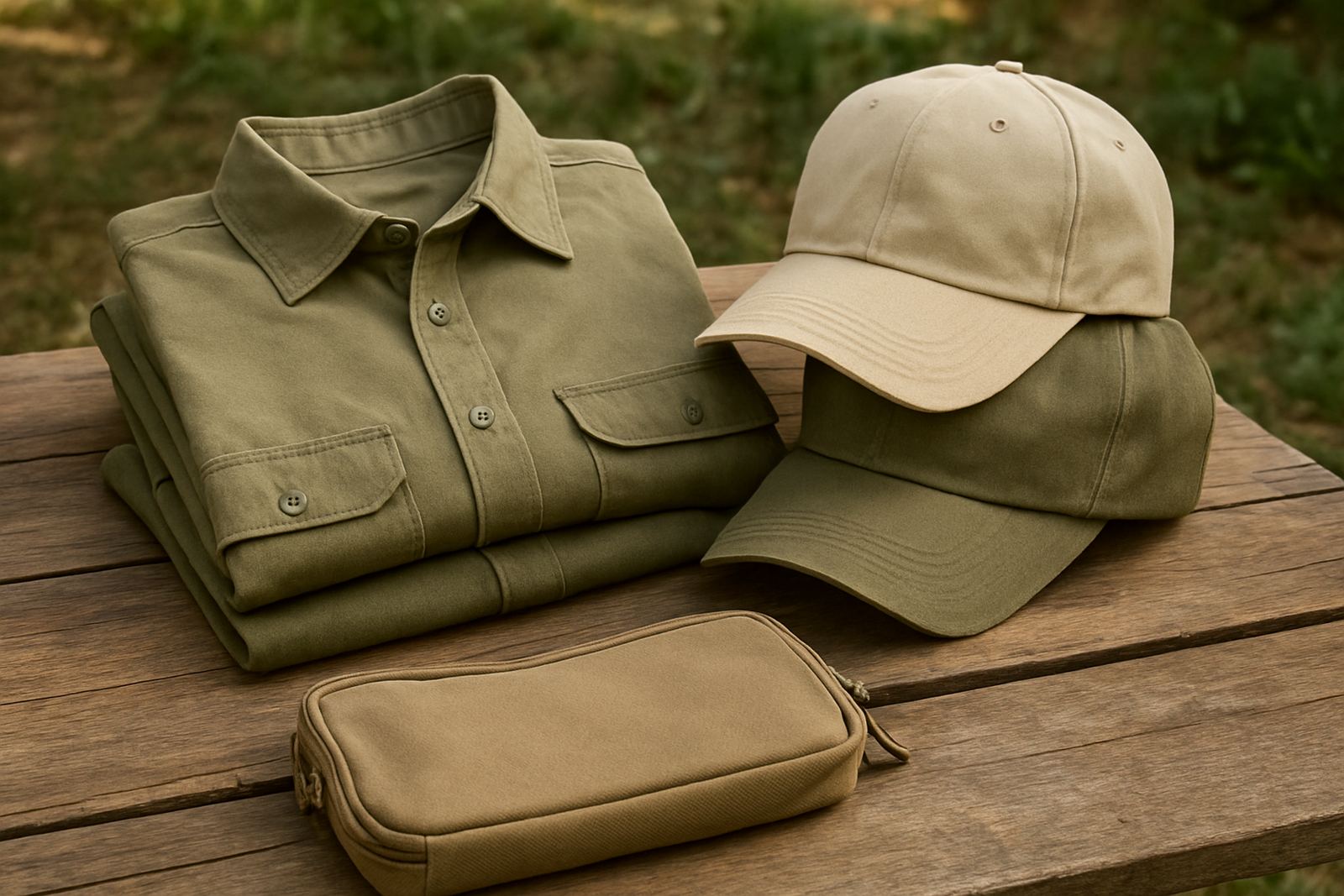
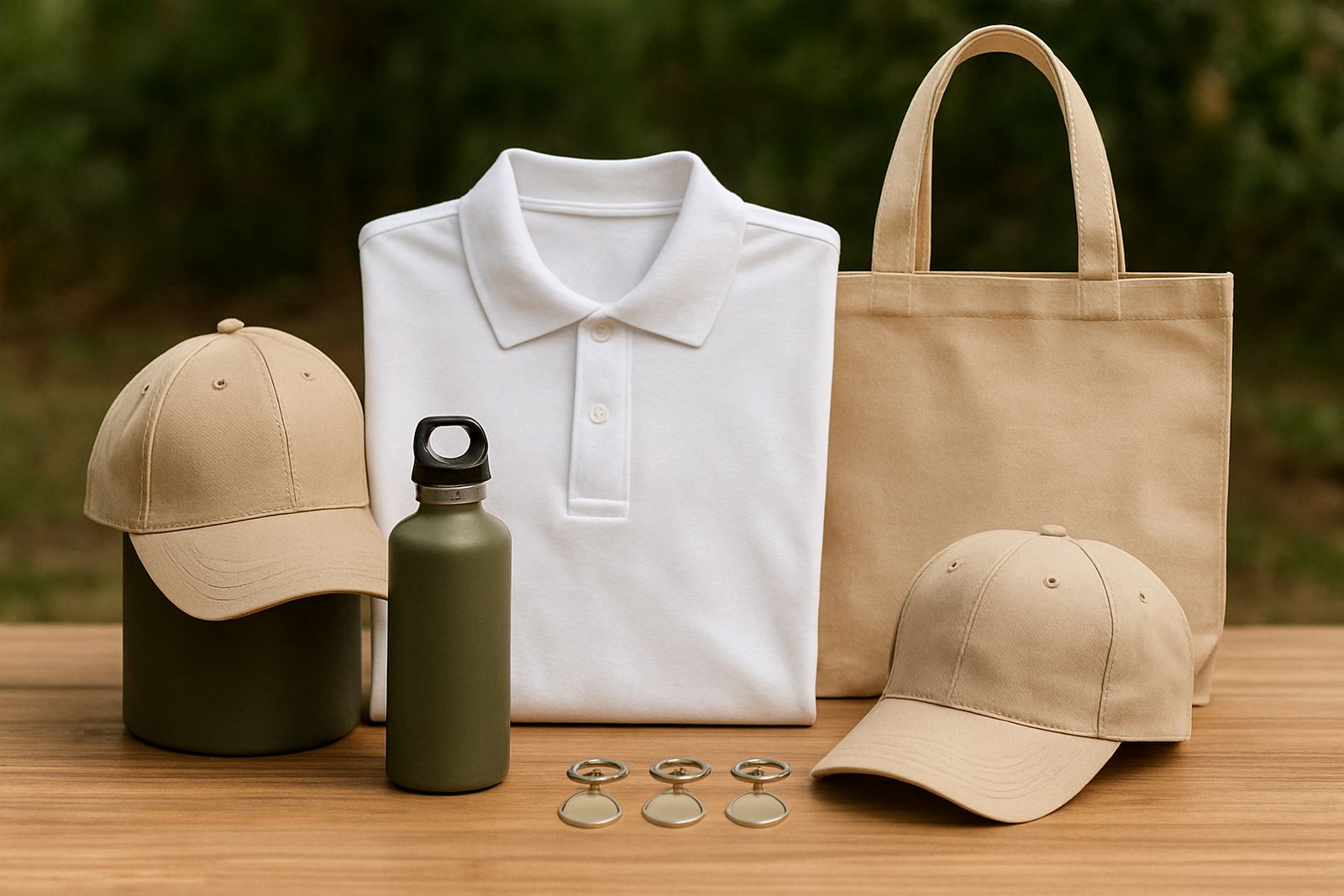
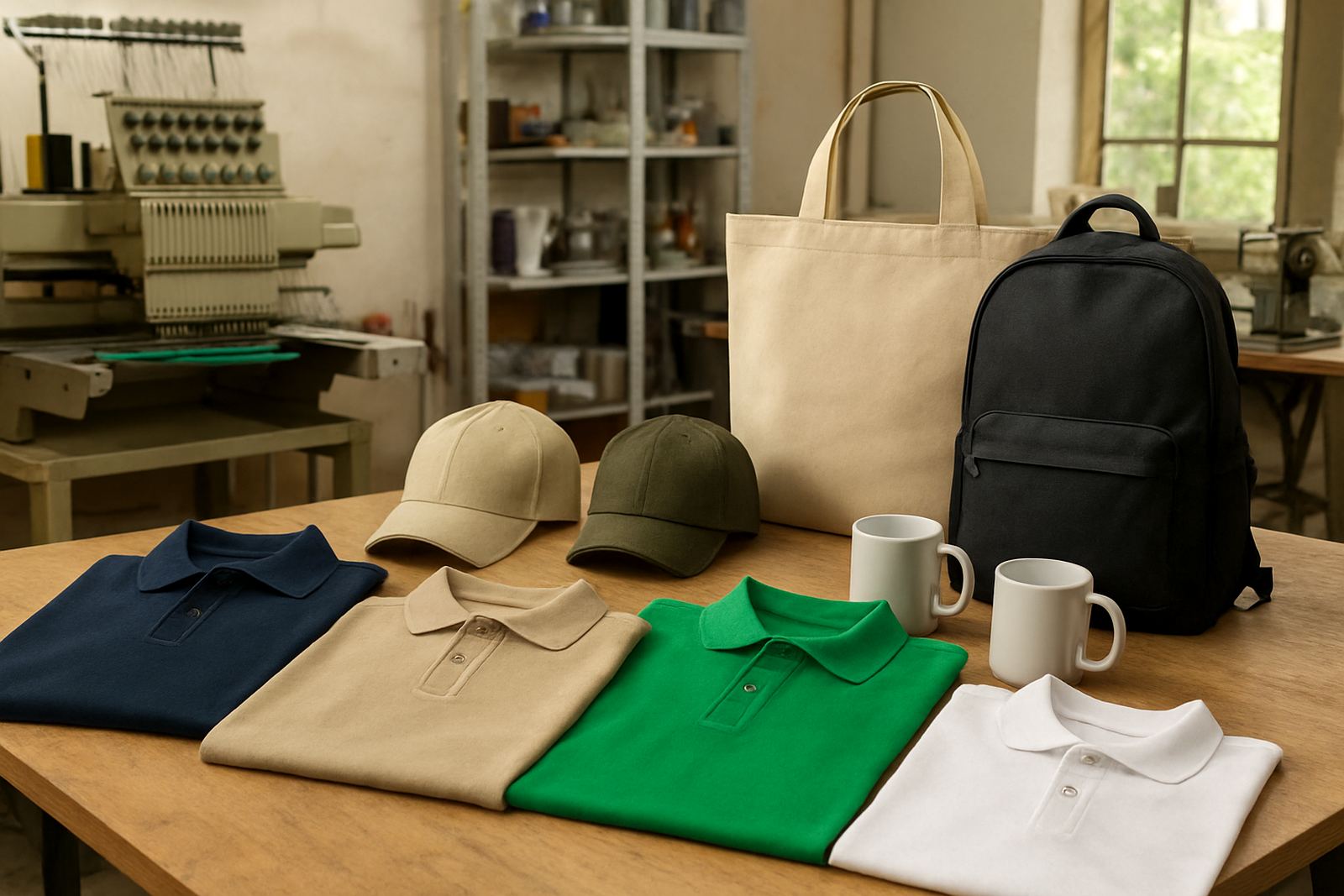
The final supply list covered staff clothing and branded handouts for the route. We produced a mix of embroidered polos, printed T-shirts, branded caps, reusable bags and a small set of corporate gifts for giveaways at the stops. The clothing was selected for comfort in hot weather and easy care, with enough durability for frequent use during and after the campaign.
We also packed the order by set so the client could hand each person a complete kit without sorting on the road. That included size labelling, item grouping and a final count check before dispatch. For a travelling campaign, that part matters just as much as the branding itself, because missing a size or mixing pack contents can cause delays at the first stop.
- Embroidered polos for staff presentation
- Printed T-shirts for field and promo use
- Branded caps for outdoor work and sun protection
- Promotional bags and selected giveaway gifts
Timeline, packing and handover
The project ran over three weeks in total. Week one covered briefing, artwork setup and logo digitising. Week two was production on clothing, caps and bags. Week three covered finishing, quality checks, packing and handover. Because the roadshow had set dates, we kept the schedule tight and checked each stage before moving on. That reduced the risk of late changes causing a knock-on delay.
Packing was handled as a separate job. Each staff set was grouped, labelled and counted, with the giveaways packed in the order the client planned to issue them. The final cartons were arranged so the team could load the vehicle quickly and keep the order intact from Malelane to the first venue. It sounds small, but on a campaign week with early starts and long distances, that kind of organisation saves time.
- Week 1: briefing, digitising and approvals
- Week 2: embroidery, printing and item finishing
- Week 3: packing, count checks and collection
- Final result: ready-to-issue roadshow kit packed by set
Results from the Lowveld campaign
The client collected a complete branded kit that looked consistent across every item and was practical for repeated use. The embroidery stayed neat on the polos and caps, and the printed garments held their shape after washing and packing. The branded bags and giveaways helped the team keep visibility high at each stop, while the clothing made the group look organised and easy to recognise.
They also came back to us for a second small run after the first route, which is usually the clearest sign that the initial order worked. For future roadshows, we would keep the same structure, but we would recommend a slightly earlier approval window if the route includes school visits or municipal venues where access rules can change at short notice. In the Lowveld, weather and timing can shift quickly, so planning a day or two ahead always helps.
What we would do again for a similar campaign
For another Malelane roadshow, we would follow the same approach: start with digitising, approve mock-ups early, keep the garment mix practical and pack everything by person and by day. That gives the client a kit that is easy to issue and easy to use. It also helps when the team is dealing with dust, heat, vehicle storage and long travel hours between towns.
If the campaign included more outdoor hours, we would suggest adding one lighter layer per person and one extra cap size option. We would also keep the giveaway items limited to pieces that can be handed out cleanly, without creating extra sorting at the vehicle or venue. That balance of branding and plain utility is what makes a travelling kit work properly.
Key facts
| Project | Malelane Roadshow Kit |
|---|---|
| Client type | Local business team running a travelling campaign |
| Town | Malelane |
| Turnaround | 3 weeks from approval to handover |
| Core items | Embroidered polos, printed T-shirts, caps, bags and gifts |
| Finish | Packed by person, size and issue order |