The brief from Ngodwana
The team needed clothing that looked tidy on site but could also cope with the realities of mill work in the Lowveld. That meant garments that were practical in warm weather, visible in low light and strong enough for repeated wear, with branding that would stay in place and not peel or crack after a few washes.
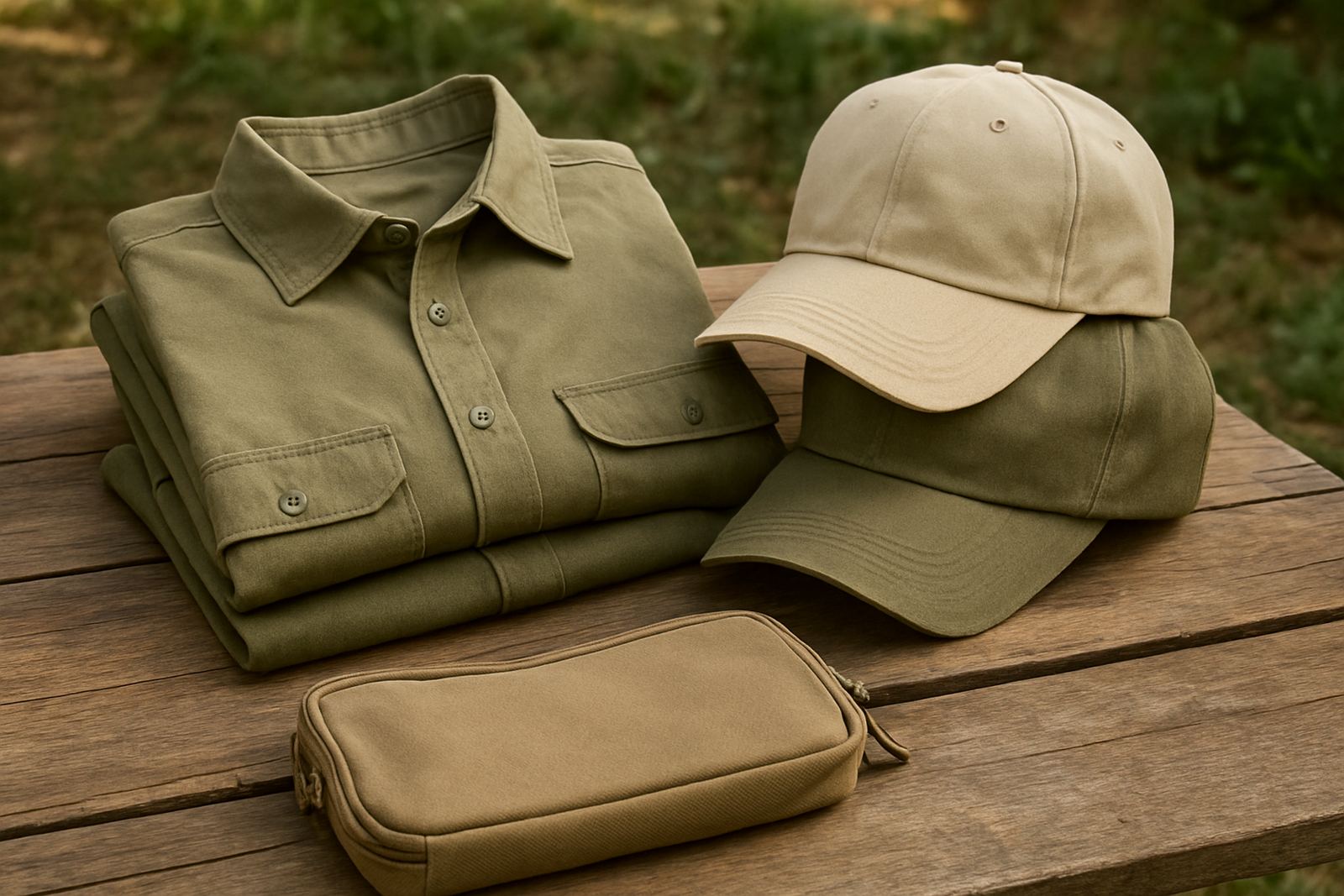
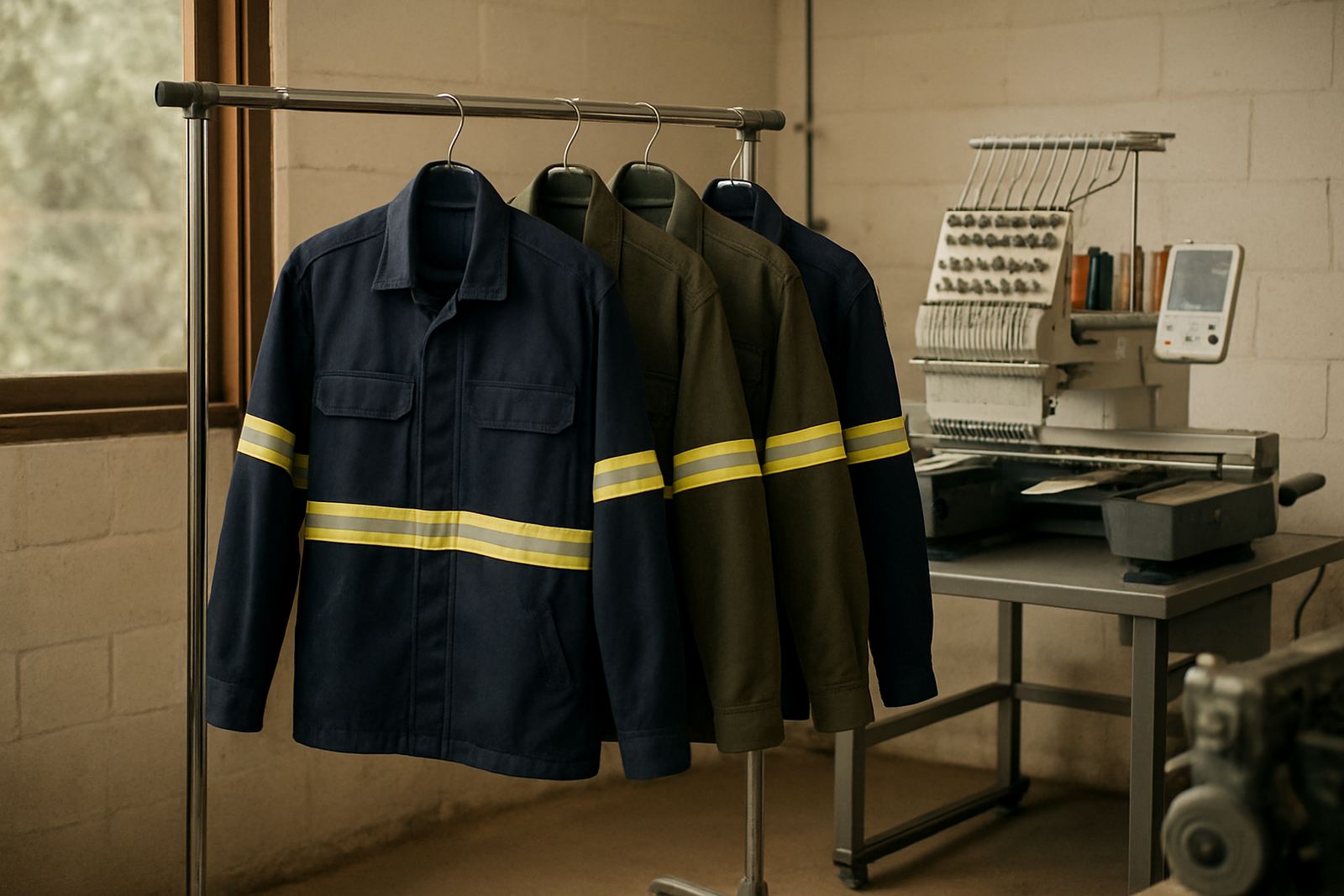
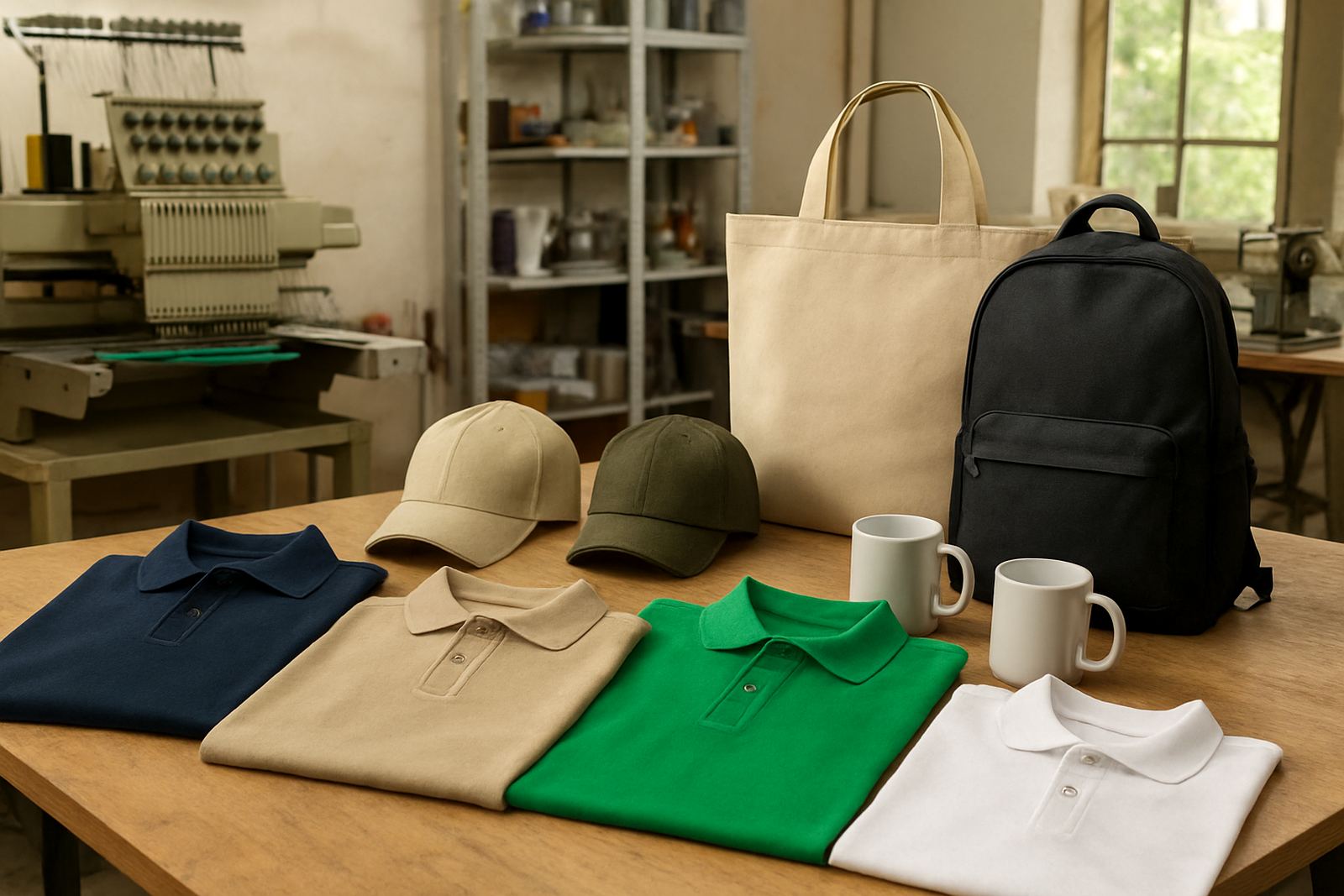
The order was for a mix of work shirts, hi-visibility layers and caps, all branded with a company logo that had to be clear from a distance and neat up close. The client wanted a proper team look for supervisors and operators, with enough consistency across sizes so the whole group looked like one unit.
- Industrial workwear for a mill team in Ngodwana
- Reflective elements for visibility near plant and delivery areas
- Logo branding that suited heavy use and regular laundering
- Consistent sizing across a mixed staff order
What made the order practical
Ngodwana work environments can be dusty, warm and busy, so we had to think beyond the logo alone. The garments needed to breathe well in daytime heat, but still hold shape through a full shift. For the visible parts, reflective material had to sit cleanly on the garment without stiffening it too much or making it uncomfortable at the shoulders and sleeves.
We also had to work around the reality of bulk issue. In a team order like this, one wrong size can hold up packing and handover, so we checked each size run carefully before moving to branding. The client also needed the order completed on time for an internal rollout, which meant we kept the production sequence tight and confirmed approvals before stitching started.
- Garments chosen for comfort in warm industrial conditions
- Reflective detail added where visibility mattered most
- Size control checked before production to reduce rework
- Approvals locked in before the main run began
How we handled the branding
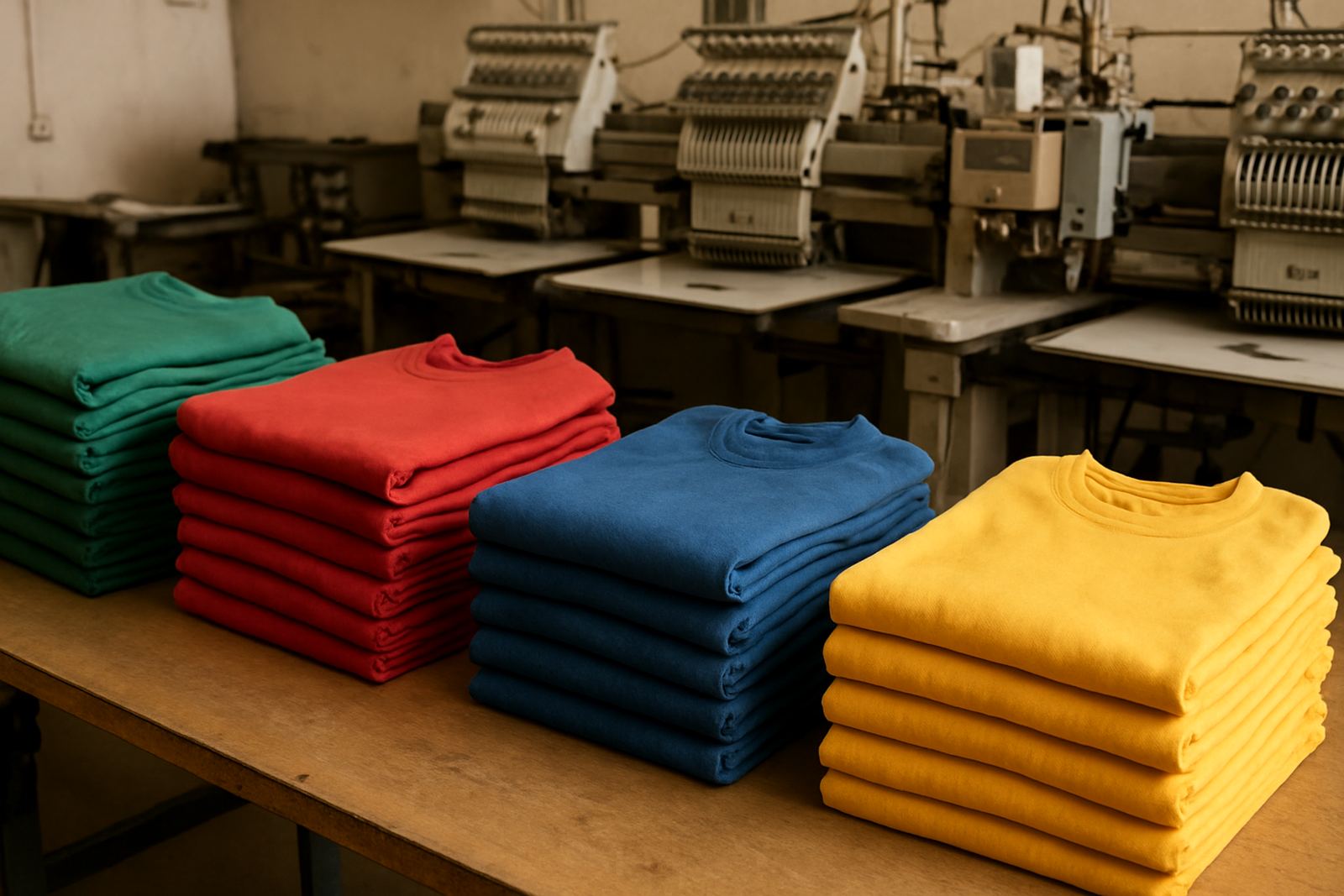
We started with logo digitising so the stitch file would suit the fabric weight and the size of each placement. That step matters on workwear because a logo that looks fine on paper can come out too dense or too small on thick fabric. Johan adjusted the stitch counts and underlay so the embroidery stayed crisp on shirts and caps without pulling the material.
For the reflective parts, we used practical placement that would not interfere with pockets, seams or movement. The print room prepared the names and any visible markings in a way that stayed readable after regular use. Where screen printing was better suited, we kept the finish clean and simple. The final branding mix was chosen to balance durability with day to day comfort, not just appearance.
- Logo digitising adjusted for heavy workwear fabric
- Embroidery used for durable, long lasting branding
- Reflective details positioned for visibility and comfort
- Print and stitch methods matched to each garment type
Production and packing in Mbombela
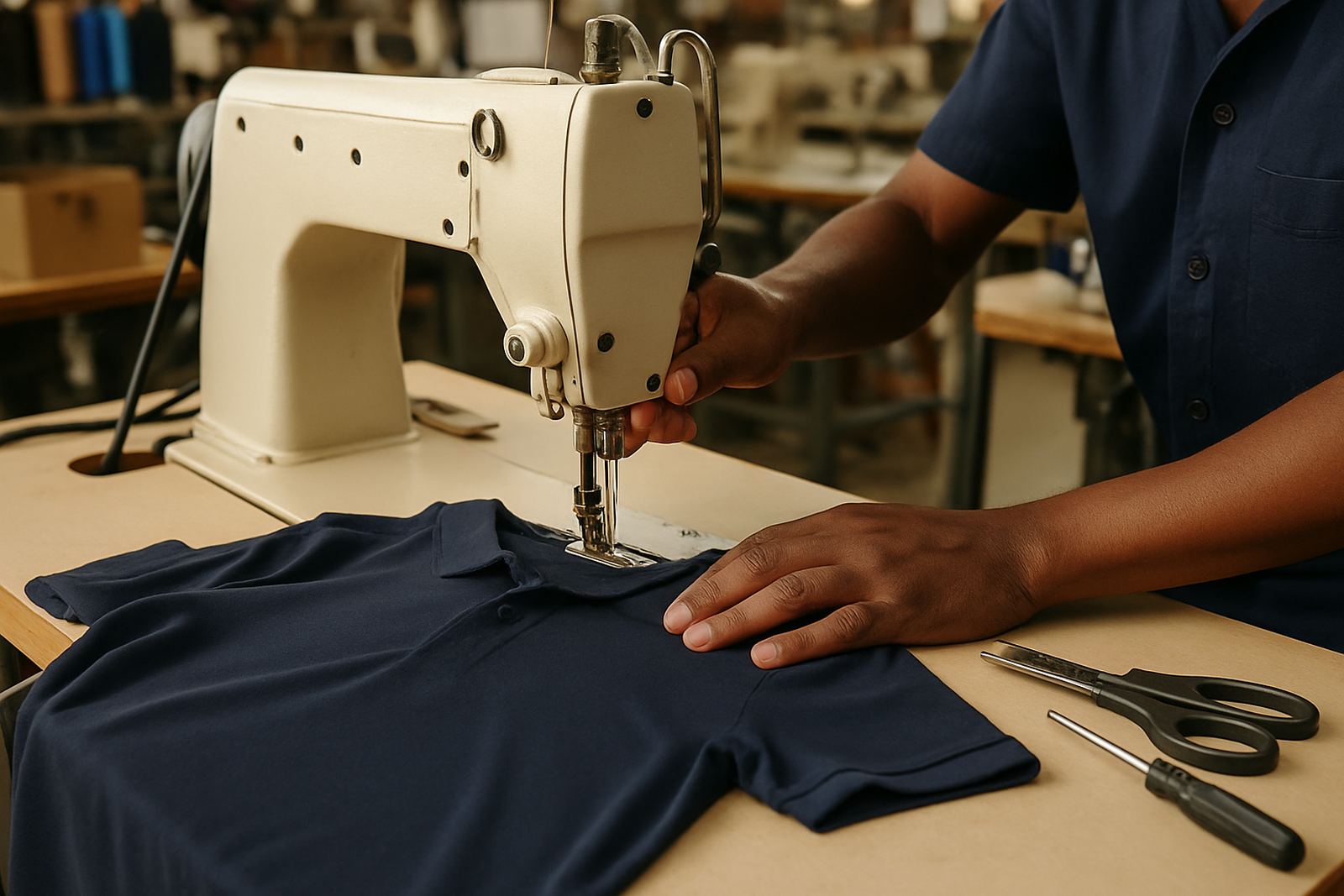
Production ran through our Riverside base in Mbombela, where Nokuthula oversaw the sequence from sample checks through to final packing. Leanne kept the order register tidy, which helped with size tracking, quantities and the final issue list. For a job like this, the admin side matters just as much as the stitching because a missing item can slow down a whole handover.
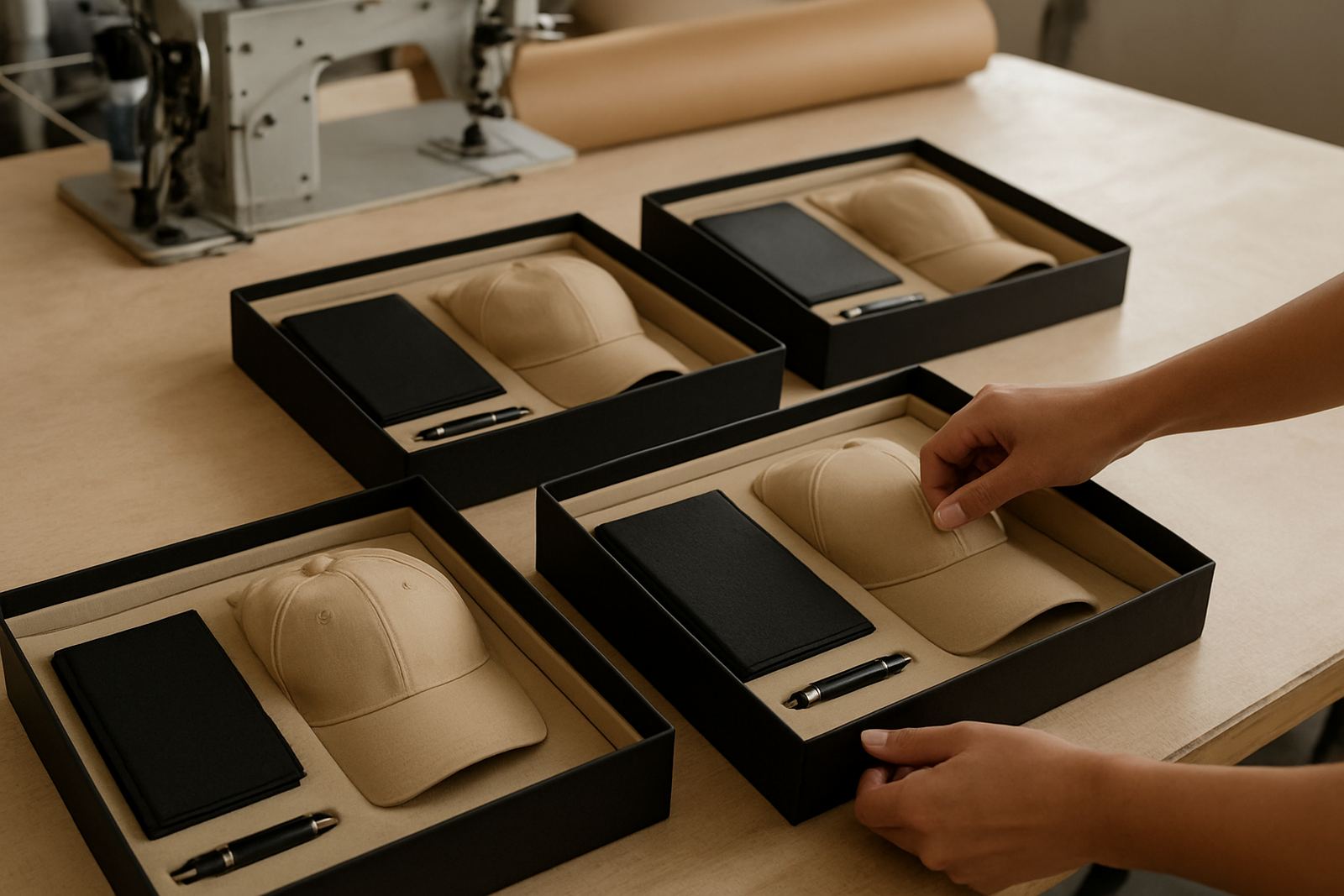
The order was completed over two weeks from approval to packing. Week one covered digitising, sample placement and sign off. Week two covered the main branding run, finishing and packing into grouped bundles. We packed the order by size and department so the client could hand it out with less sorting on site.
- Two week turnaround from approval to packing
- Grouped packing by size and issue area
- Final checks done before dispatch to avoid shortages
- Production managed from Riverside, Mbombela
The result on site
The finished workwear gave the Ngodwana team a sharper, more consistent look and the reflective details improved visibility where people were moving around vehicles and equipment. The embroidery held its shape well and the logo remained legible even on the thicker garments. That was the main aim, and it came through clearly in the final order.
The client wanted something practical first and branded second, but the result managed both. The garments were comfortable enough for regular use, the branding did not get in the way and the full order was easy to issue. It made a strong difference for a team that needed to look organised without having to fuss over special care instructions.
- Cleaner team presentation for daily industrial use
- Improved visibility with reflective detail
- Branding stayed neat on heavy duty garments
- Easy issue process because of size grouped packing
What we would repeat on a similar order
If we were doing the same kind of order again, we would keep the same approach: confirm the exact garment mix early, approve the logo sample before bulk production and pack by issue groups from the start. That saves time and avoids mistakes, especially on orders that need to move quickly from approval to handover.
For industrial teams around Ngodwana, Nelspruit and the wider Lowveld, that is usually the right balance. Practical fabric choice, proper digitising and controlled packing make the biggest difference. It is not about making the clothing complicated, it is about making sure it works day after day in real conditions.
- Confirm sizes and garment mix early
- Approve one sample before the bulk run
- Pack by department or issue list from the start
- Keep reflective and branding placement simple and functional
Key facts
| Client type | Industrial mill team in Ngodwana |
|---|---|
| Location | Ngodwana, Lowveld |
| Turnaround | 2 weeks from approval to packed handover |
| Branding methods | Embroidery, reflective application, screen printing |
| Garments supplied | Work shirts, hi-visibility items and caps |
| Service scope | Logo digitising, production, packing and bulk issue prep |