
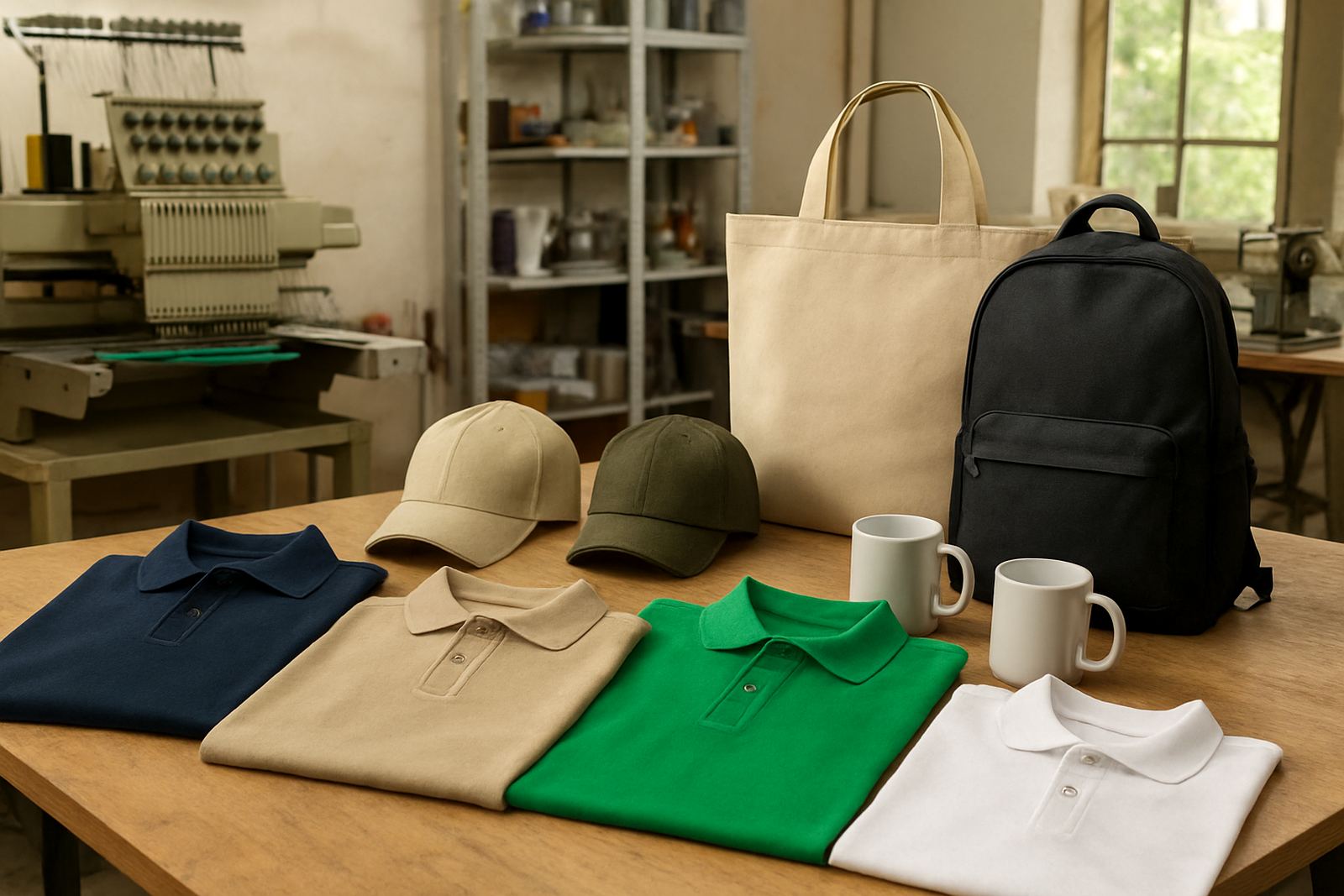
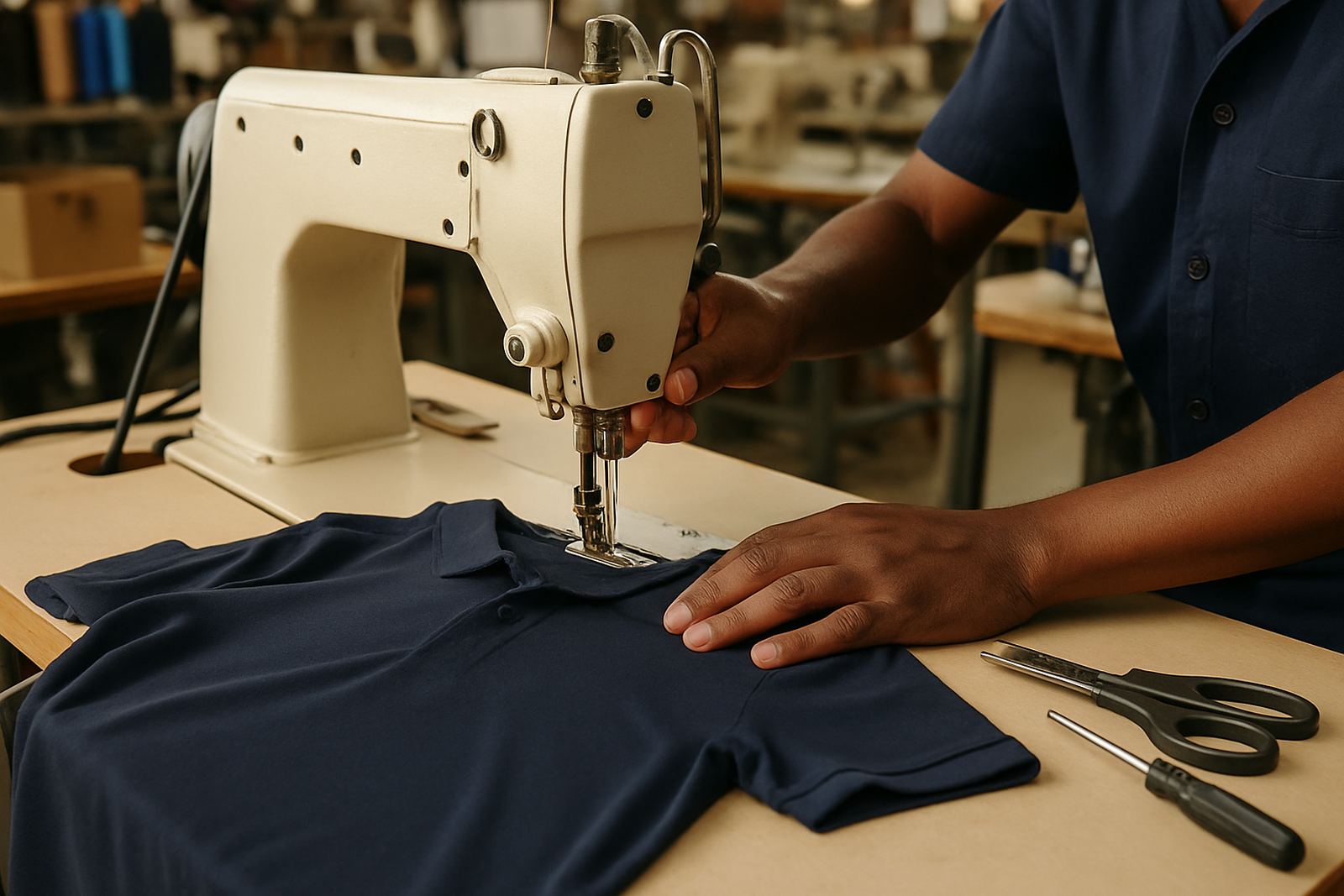
Start With the First Wash After You Collect Your Order
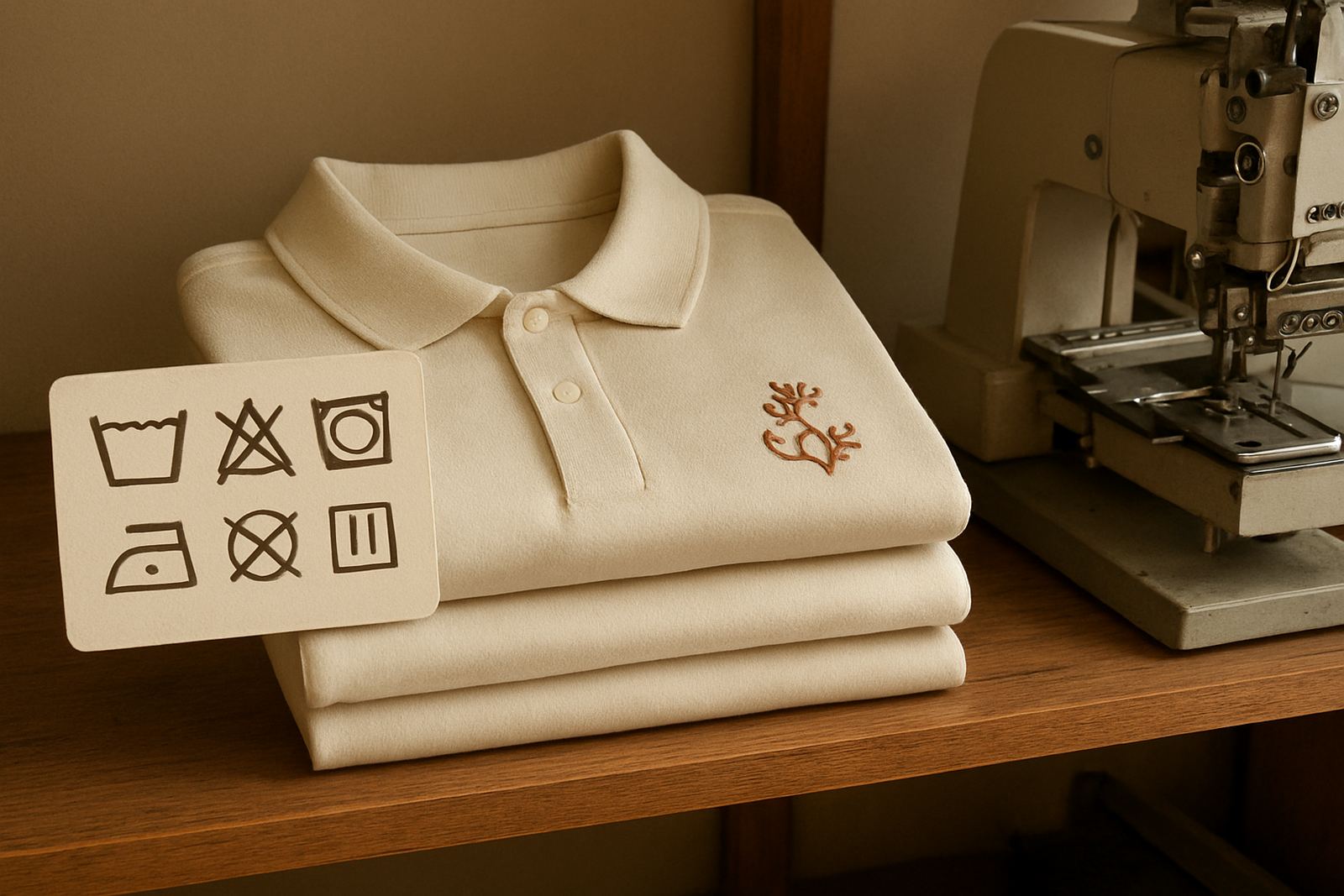
The first wash matters because it sets the habit for the rest of the garment's life. If a shirt, golf tee or cap has just come back from embroidery or printing, check the care label first and look over the stitching, buttons and seams before it goes into the wash. Turn garments inside out where possible and close zips or Velcro so they do not rub against the embroidery.
For schools and businesses in Mbombela, White River or Malelane, the first wash is often rushed because the item is needed for the next day. Still, it pays to take two minutes. Use cool or lukewarm water and a gentle detergent. Hot water can be tough on thread, elastic and printed detail, especially on mixed-fabric workwear. If there is dust from a site visit in Kabokweni or sweat after a long day in Barberton, pre-soak the item instead of scrubbing the logo area hard.
- Sort dark, light and colour-fast items separately.
- Do not overload the machine, embroidery needs space to move.
- Use a gentle wash cycle for uniforms, caps and schoolwear.
- Avoid bleach unless the care label specifically allows it.
Treat Logos and Stitching Gently in the Wash
Embroidery is built to last, but it still needs a bit of carefull handling. The stitching on a chest logo, school crest or cap front panel can fray if it is rubbed against rough fabrics, heavy zips or sharp objects in the same load. That is why turning garments inside out is such a useful habit. It helps protect the thread surface and keeps the logo looking tidy for longer.
If your team wears embroidered shirts in Nelspruit Central or Hazyview, the garments may be washed often because of heat and perspiration. That is normal. What causes damage is not regular washing, but harsh washing. Strong stain removers, rough brushing and wringing by hand can distort the shape of the embroidery. For grease stains, dab gently with a small amount of soap and water before washing. If the fabric is delicate, wash the item in a laundry bag so the logo stays protected.
- Never iron directly over raised embroidery.
- Do not twist wet caps or squeeze them flat.
- Keep reflective trims and printed panels out of very hot water.
- Hang garments by the body, not by the embroidered section.
Drying Methods That Work in the Lowveld Heat
The Lowveld sun dries clothes fast, but too much direct heat can fade fabric and age thread faster than necessary. If you hang embroidered uniforms outside in Riverside or White River, try to place them in a shaded, airy spot rather than full midday sun. This is especially important for darker colours, which show fading more quickly. For caps, keep the brim shape in mind and avoid pegging them in a way that creates bends or dents.
Tumble drying is not ideal for every item. A low heat setting may be fine for some uniforms, but high heat can shrink cotton blends and weaken adhesive elements used in some branding methods. When in doubt, air dry. It takes longer, but the result is better. If you are drying schoolwear during a wet week in Hazyview, make sure the garment is fully dry before packing it away. Damp cloth and the warm Lowveld climate can lead to a musty smell, and that is hard to remove once it settles in.
- Dry caps on a rounded form or crumpled towel to keep shape.
- Use pegs on seams rather than on embroidered areas.
- Shake garments out before hanging so they dry evenly.
- Bring items in before evening dew or coastal humidity from longer trips affects them.
How to Store Caps, Shirts and Schoolwear Between Uses
Good storage matters almost as much as washing. In homes, offices and school storerooms across Mbombela and the surrounding towns, uniforms are often folded tightly or left in plastic bags. That traps moisture and creates creases where the logo sits. A dry cupboard with some airflow is better. If you are storing branded stock for a promotion or a school event, pack it clean and fully dry, then keep it off the floor and away from direct sunlight.
Caps should be stored so the crown does not collapse. Shirts and golf tees are best folded with the logo facing outwards, or hung on wide hangers if there is space. Bags with embroidered or printed panels should be emptied after use, especially if they carry lunch, sports kit or wet towels. Little habits like this make a big difference over time.
- Keep uniforms away from damp walls and leaking roofs.
- Store gifts and branded stock in labelled cartons for easy counting.
- Use tissue or soft paper inside caps if they must be boxed for long periods.
- Separate clean stock from used items so odours do not transfer.
Handling Stains From Dust, Food and Workshop Jobs
Lowveld businesses deal with practical mess every day. Dust from road travel, food spills at school, oil on workshop wear and grass stains on sports kit all need different treatment. The main rule is simple: act early. The sooner a stain is dealt with, the less likely it is to settle into the fibres around the embroidery. That means no vigorous scrubbing across the logo area and no panic with strong chemicals.
For soil or dust, let the item dry first, then brush off loose particles before washing. For food or drink marks, blot rather than rub. For oil, use a small amount of dish soap on the stain before washing in cool water. If a garment has both printed and embroidered sections, test any spot treatment on a hidden area first. This is especially useful for school uniforms and work shirts that must still look neat after many washes. A good routine keeps the garment professional and saves replacement costs.
- Deal with stains as soon as possible after use.
- Use a clean white cloth for blotting.
- Rinse from the back of the fabric where practical.
- Never use a hard brush on embroidery thread.
A Practical Routine for Busy Teams and Schools
If you manage uniforms for a business, school or sports group, create a simple routine that everyone can follow. Put washing instructions in the storeroom, appoint one person to check stock, and make sure damaged items are set aside early for repair or replacement. This helps with budgeting and keeps everyone looking consistent. In a place like Barberton or Malelane, where staff may travel between sites, it also avoids lost items and mixed-up sizes.
A useful routine is to sort items by type, wash them in similar loads, dry them fully, then fold or hang them in the same way every time. That sounds basic because it is, but basic routines are what keep embroidered branding looking smart. When uniforms are cared for properly, the logo stays clear, the fabric lasts longer and the whole team presents better. That is good for schools, reception teams, workshop crews and community groups alike.
If you are ordering new branded wear, it also helps to ask for advice on the best fabric and branding method for the job. Some items are made for frequent washing, while others are better for lighter use. Matching the garment to the task saves money in the long run and keeps the final look neat.