
Start with the job, not the colour
Before choosing shirts, trousers or jackets, decide what each role actually does. A guide who walks guests through a reserve needs different clothing from a driver doing airport transfers, and both are different again from front-of-house or kitchen support staff. If the uniform does not match the work, people will either feel uncomfortable or stop wearing it properly.
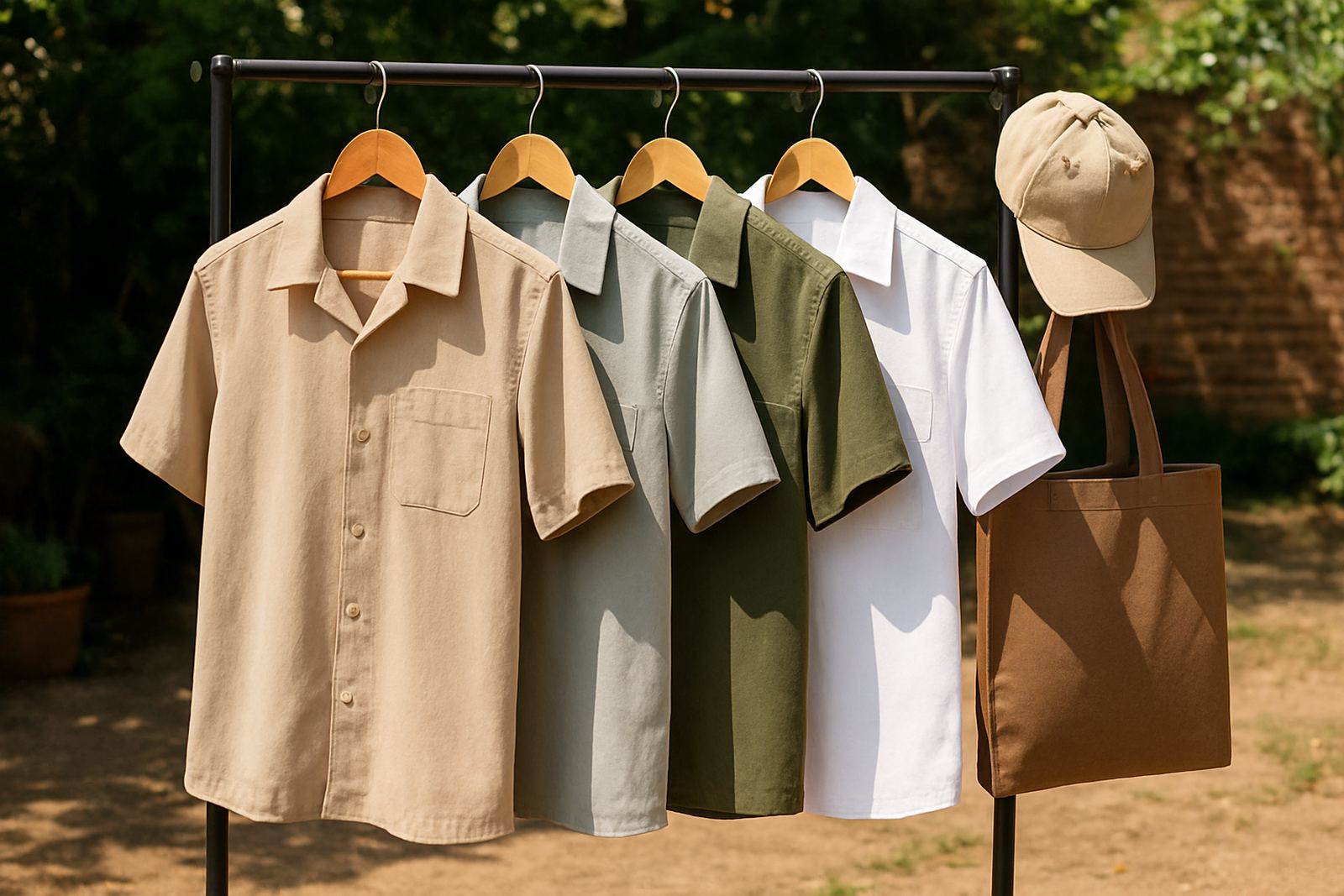
For Mbombela and the surrounding tourism routes, colour matters too. Lighter colours stay cooler in the midday heat, while darker shades hide dust better on game drives and gravel roads. Neutral colours such as navy, charcoal, khaki and stone usually fit most tourism settings and still look smart for lodges, tour operators and hospitality teams.
- Choose breathable fabrics for outdoor staff who move a lot.
- Use darker trousers where dust, soot or road grime is part of the day.
- Keep one formal option for meetings, guest arrivals or evening service.
- Avoid very pale shirts if the team works near braais, kitchens or site vehicles.
Fit and fabric make the difference on long days
Tourism work starts early and often ends late, so fit should allow movement without looking loose or untidy. A shirt that pulls across the shoulders or a dress that rides up in the car will not last long in daily use. Ask your team to try on samples while sitting, standing and reaching, because that is when fit problems show up.
Fabric choice matters just as much. In the Lowveld heat, cotton rich blends and quick-drying fabrics are often a better favour than heavy cloth. For drivers and guides, moisture control helps with comfort on hot days and can also reduce the look of sweat marks during guest contact. In winter or early morning game runs, light fleece or a lined jacket can be added without changing the whole uniform.
- Use wrinkle-resistant fabric for staff who travel between sites.
- Keep sleeve lengths practical for sun protection and layering.
- Choose shirts that hold embroidery well and do not pucker easily.
- Make sure skirts, trousers and shorts suit the role and the setting.
In a place like Mbombela, where teams may move from office work to road transfers in one morning, a good fit saves time and keeps the group looking prepared.
Branding should be neat, not overpowering
Uniform branding must be easy to read and tidy from a distance, but it should never fight with the clothing itself. For tourism teams, a small chest logo, a sleeve mark or a back print is often enough. If the garment is busy with large graphics, it can start to look more like event wear than a professional uniform.
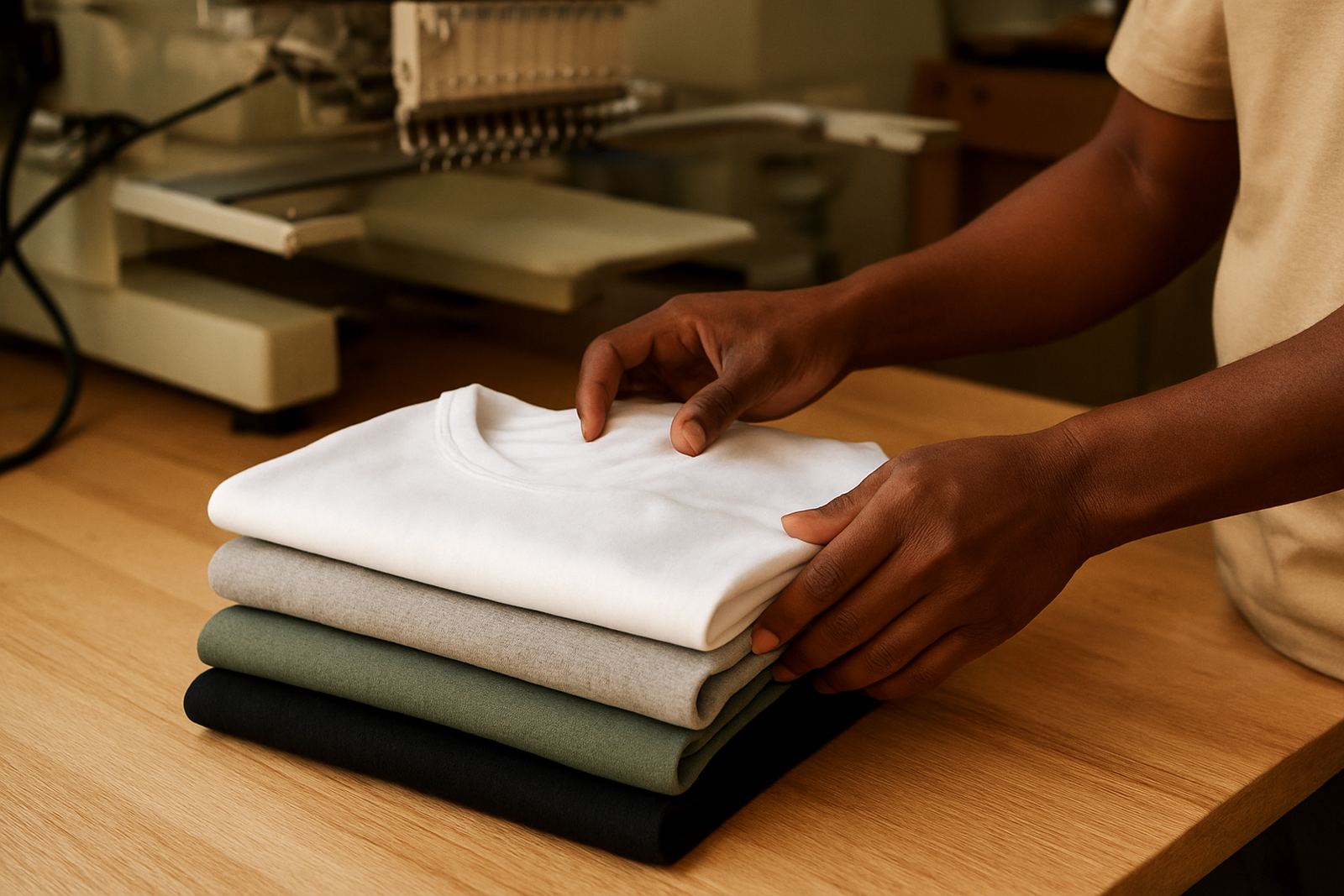
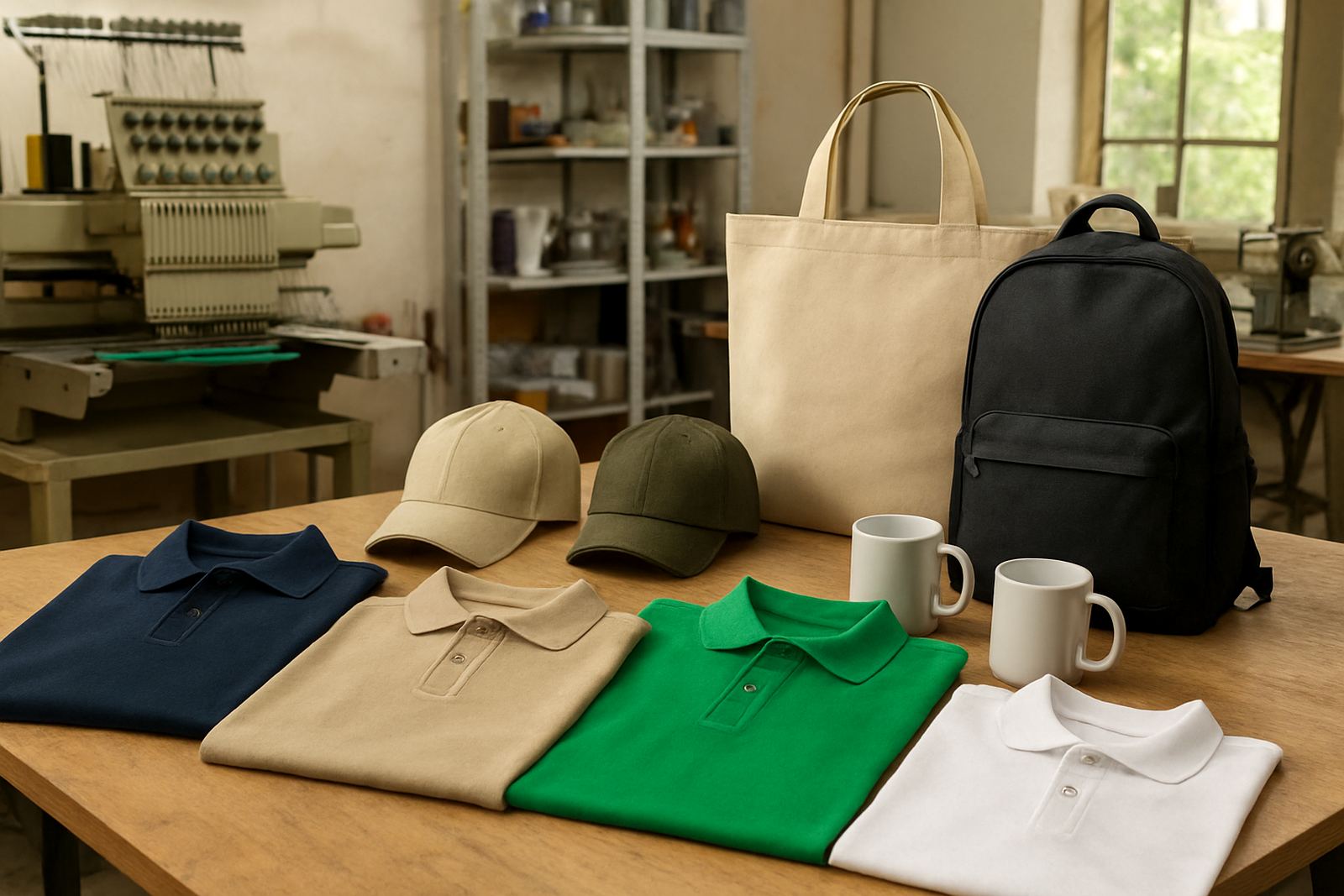
Embroidery works well on shirts, caps, knitwear and jackets because it gives a clean finish and handles regular washing. Screen printing suits larger quantities and flat surfaces, while sublimated garments are useful for activewear styles and items that need full-colour detail. Name personalisation can also help front-line staff, especially where guests want to remember the guide or driver they spoke with.
- Keep logos clear and readable in small sizes.
- Match thread or print colour to the garment for a cleaner finish.
- Use personal names only where staff want that level of visibility.
- Approve a sample before a full run of uniforms is made.
For tourism businesses around White River, Hazyview and Barberton, a small and well-placed mark usually ages better than something large and crowded.
Practical uniform sets for different tourism roles
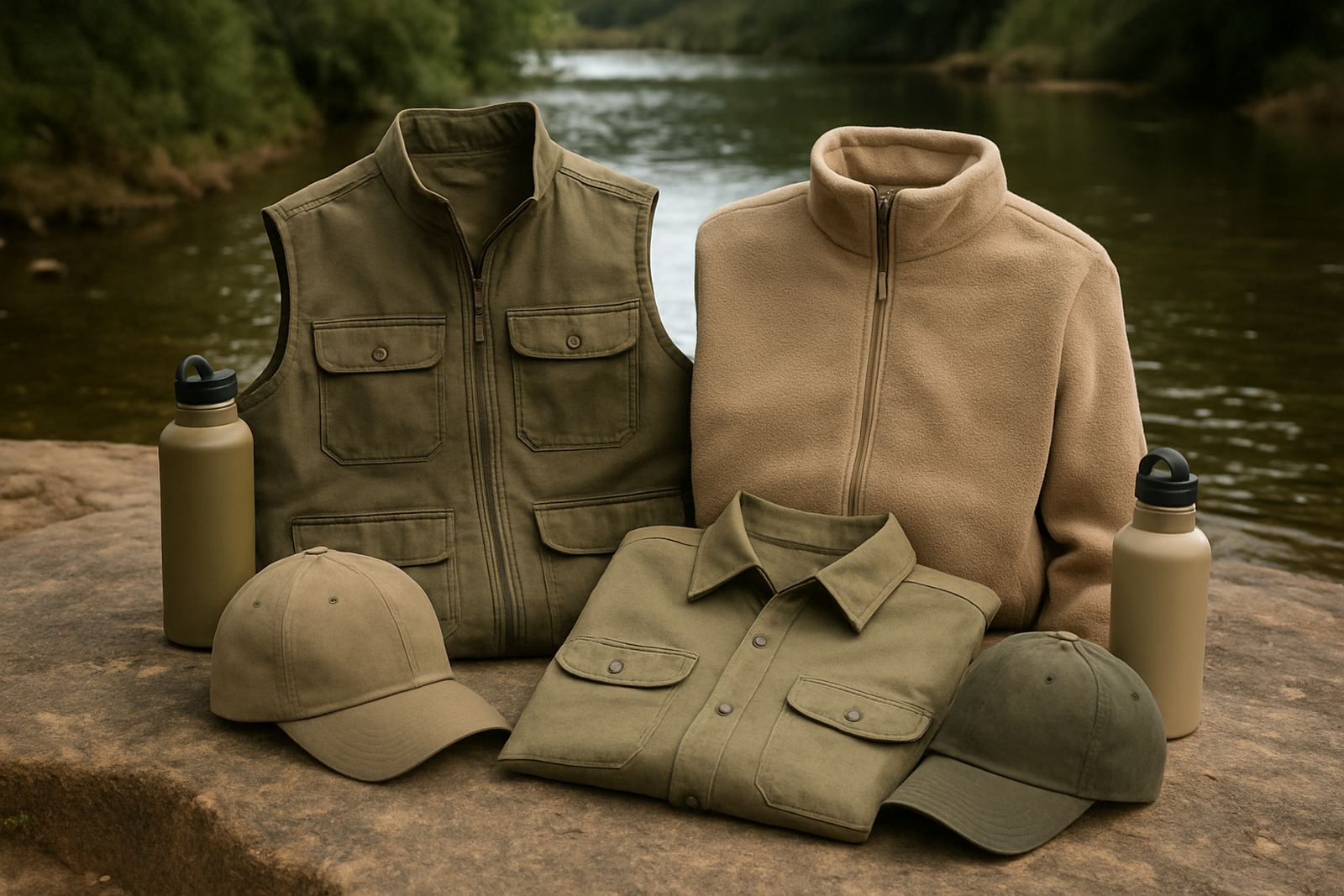
It helps to build uniform sets by role. That way the team gets clothing that works for the actual shift instead of one general outfit for everyone. A guide may need a collared shirt, practical trousers, a cap and a light outer layer. A driver may need a neat polo, stretch trousers and a jacket for early starts. Hospitality support staff often need smart shirts, aprons or matching tops that hold up during service.
For schools, tour groups and activity operators, it can also help to have a separate set for visits, excursions and special functions. A clean second shirt in the vehicle or office is simple insurance when there is dust, rain or a spill. In the Lowveld, where weather can change quickly, this small bit of planning saves a lot of stress.
- Guide team: collared shirts, breathable trousers, cap, jacket.
- Driver team: polo shirts, dark trousers, light jacket, cap branding.
- Hospitality team: smart shirts, aprons, name branding, matching layers.
- Support staff: durable tops, easy-care trousers and practical outerwear.
One lodge near Hazyview once needed a quick uniform reset before peak season and found that separating guide, driver and dining room sets made ordering far easier. The team looked more organised, and staff stopped borrowing each other’s clothing, which helped a lot.
Ordering for busy seasons and group travel
Tourism uniforms should be ordered with peak periods in mind. December, school holidays and public holiday weekends often create tighter deadlines, and a late order can leave staff in mixed clothing. If a business works across Mbombela, Nelspruit Central, Kabokweni or the towns nearby, bulk packing and clear size checks make the handover much easier.
Before placing an order, confirm quantities, sizes, role groups and whether any garments need names or department marks. It is also worth planning for spares. A few extra shirts or caps on hand can save a new order when a new driver joins or a team member changes size. Municipal rules, guest standards and lodge policies can all shape what is acceptable, so keep the final uniform set practical and in line with the site rules.
- Collect sizes early and double-check them before production.
- Keep one spare set per role for replacements.
- Plan for rain, dust and long travel days.
- Pack by department so distribution is quick on site.
For businesses in Malelane, White River or Barberton, that kind of planning is often the difference between a calm season and a rushed one.
A Mbombela example that shows what works
A small tourism operator based in Riverside, Mbombela may have three different uniform needs at once: guides in the field, a driver on the road and hospitality staff meeting guests at reception. If all three wear the same shirt, the fit and finish can work against them. A better setup is a breathable polo for the driver, a more formal collared shirt for guest-facing staff and a tougher outdoor shirt for the guides.
With the right branding placed neatly on each item, the team still looks like one business, but each person can do their job properly. That is the real point of a tourism uniform. It should look smart, feel comfortable and last through early mornings, long drives and full guest days without needing constant replacement.
When the clothing is chosen with the work in mind, staff feel more settled and guests notice the difference straight away. It is a simple thing, but in tourism simple things carry a lot of weight.