
Why Winter Layering Matters in the Lowveld
In Mbombela and the surrounding Lowveld, winter does not always mean full-day cold. A staff member can leave White River in the early chill, sit in a sunlit office by 10am, then be outside again after lunch when the wind picks up. That is why one heavy garment is often less useful than a planned set of layers.
For schools, warehouses, front office teams and delivery staff, layering helps manage comfort without losing a neat look. It also helps with practical issues like load-shedding mornings, early starts and long outdoor hours. A learner in a thin shirt may struggle at the assembly point, while a cleaner or security team member needs warmth that still allows movement.
The best winter uniform plan is simple: start with a branded base layer, add a warm mid-layer, then finish with a jacket that can be removed or worn as needed. When each layer is chosen properly, the whole team looks coordinated and stays comfortable.
Start With the Right Golfers for Everyday Wear
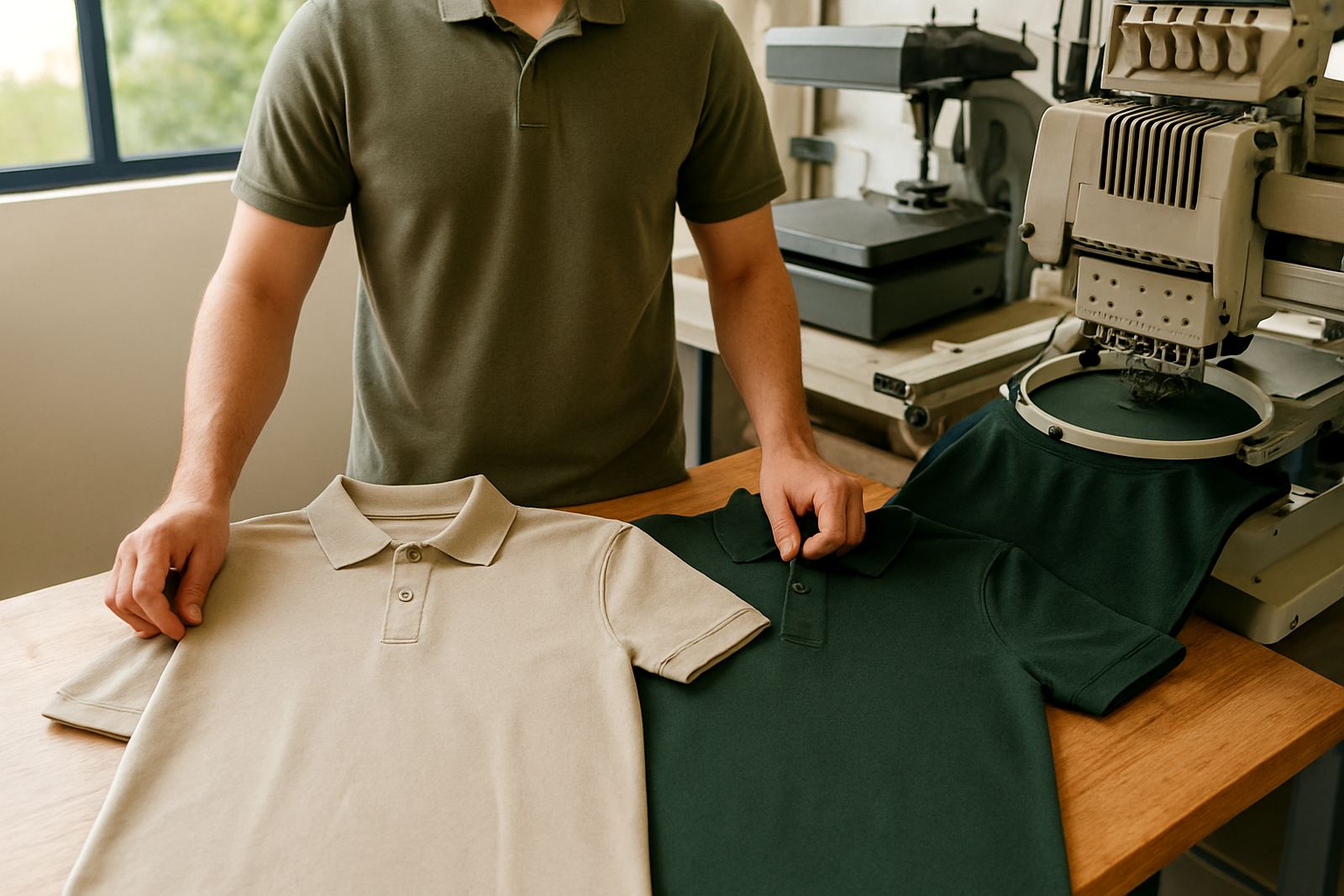
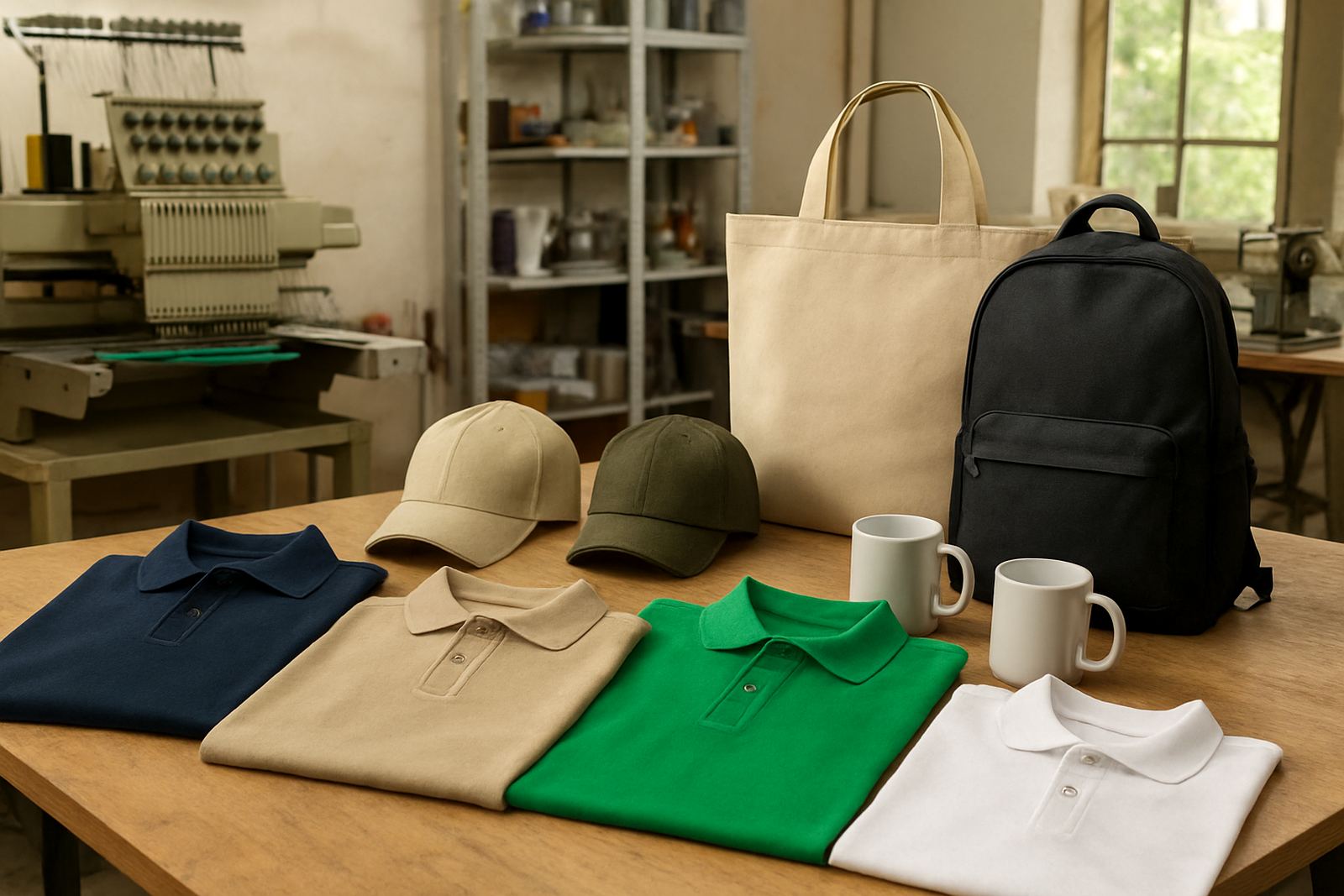
Golfers are usually the first layer because they are easy to wear indoors and outdoors. In the Lowveld, a golfer should be comfortable enough for a warm afternoon but still neat enough under a fleece or jacket. For corporate wear and schoolwear, fabric weight matters. Too light and the garment feels flimsy. Too heavy and it becomes uncomfortable once the temperature rises.
We usually guide clients toward colours that suit their identity and hold up well through repeated washing. Darker shades work well for service teams and school groups, while brighter colours can help with visibility at events, sports days and site visits. A properly digitised logo or clean screen print keeps the golfer looking professional without making the garment stiff.
- Choose breathable fabric for all-day wear
- Use left chest branding for a clean finish
- Keep logo sizes balanced so the garment still feels wearable
- Match colours across staff, management and support teams where needed
Fleeces for the Middle Layer, Not the Whole Story
Fleeces are useful because they trap warmth without the bulk of a heavy coat. For Mbombela mornings, they are often the best middle layer for reception teams, school staff and field workers who move between rooms and vehicles. They also work well for businesses that want a smart look without over dressing the team.
A fleece can carry embroidery on the chest, sleeve or back yoke depending on the style and the logo size. If your logo has fine detail, digitising needs to be handled carefully so the stitching stays clean and readable. That matters for company names, school crests and department titles where small details can blur if the setup is rushed.
One thing to watch is fit. A fleece should sit well over a golfer and under a jacket, not pull across the shoulders or bunch at the waist. If the team is active, choose a cut that allows movement at the elbows and upper back. That small detail makes a big difference during a full workday.
Jackets That Work for Early Starts and Windy Afternoons
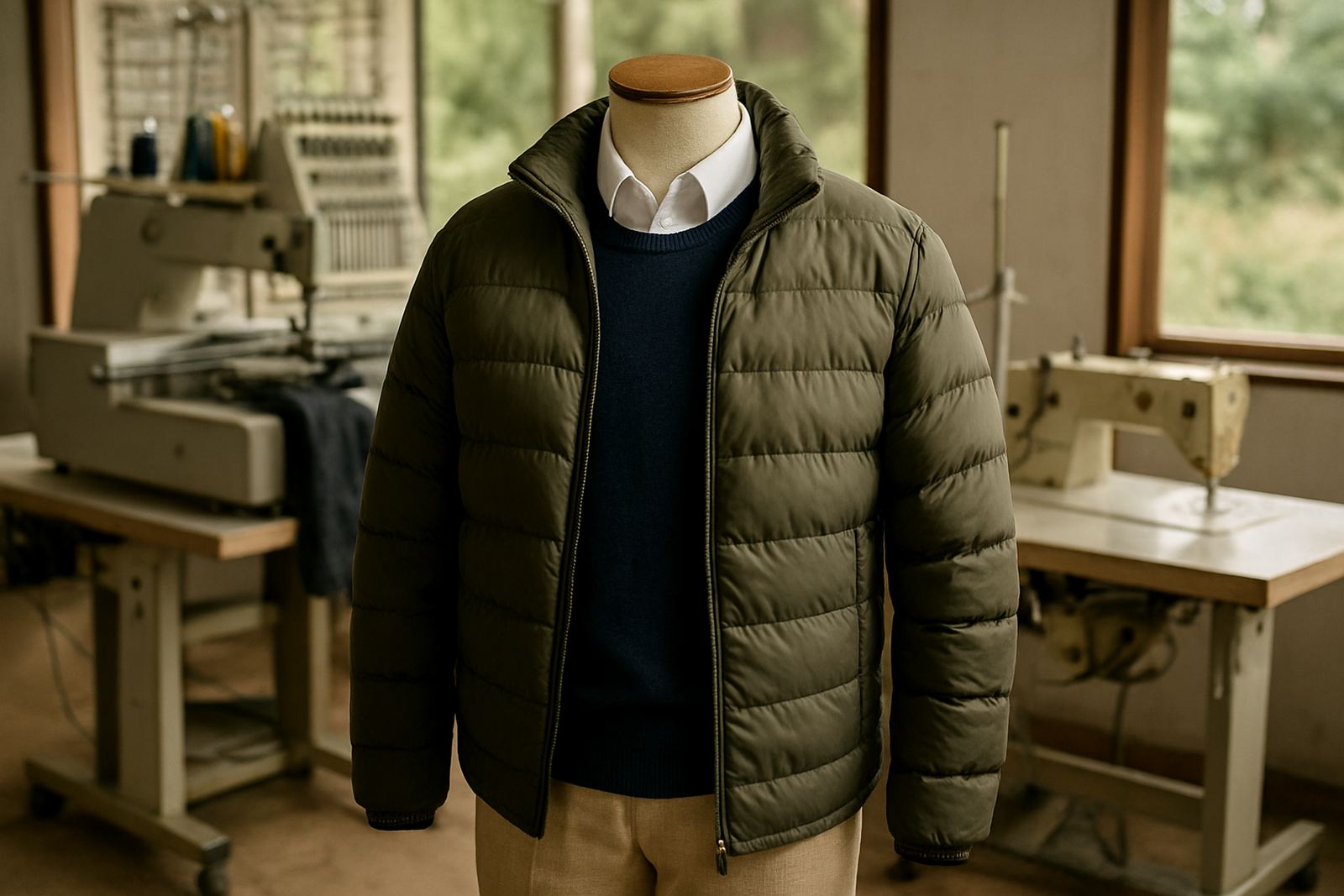
Jackets are the final layer and should be chosen for function first. In places like Hazyview, Malelane and Barberton, early mornings can be cool and damp, while afternoon conditions shift fast. A good jacket should block wind, keep light rain off, and still allow the uniform underneath to show properly.
For corporate teams, a simple jacket with chest embroidery often gives the neatest result. For schools and promotional use, you may need larger branding on the back or sleeve, depending on the event and the garment style. The key is not to overload the jacket with decoration. Too much print or stitching can make it heavy and less practical.
- Check zip quality and pocket placement before ordering
- Confirm whether the jacket is for daily wear or event use
- Leave room for the fleece underneath
- Make sure the branding position does not clash with seams, zips or panels
How to Combine Branding Across All Three Layers
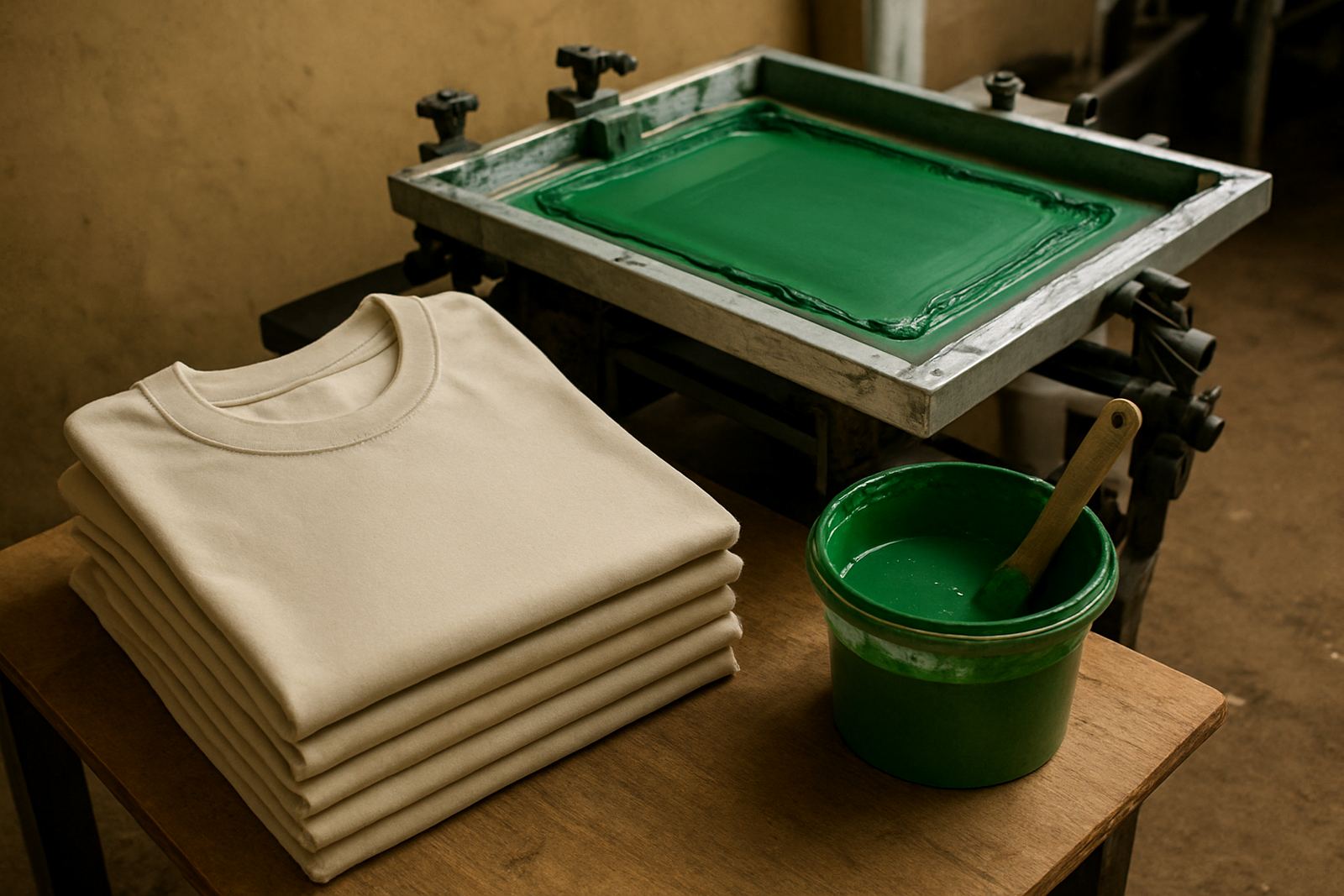
The smartest winter uniform programmes keep the branding consistent across golfers, fleeces and jackets. That does not mean using the same method on every item. Some garments suit embroidery, while others are better with screen printing or sublimation depending on the fabric, use and number of colours in the artwork.
For example, a school can use a printed golfer for daily wear, an embroidered fleece for prefects or teachers, and a jacket with a clear back logo for sports trips. A business might prefer embroidered shirts for the office team, printed tops for promotions, and branded jackets for drivers and site supervisors.
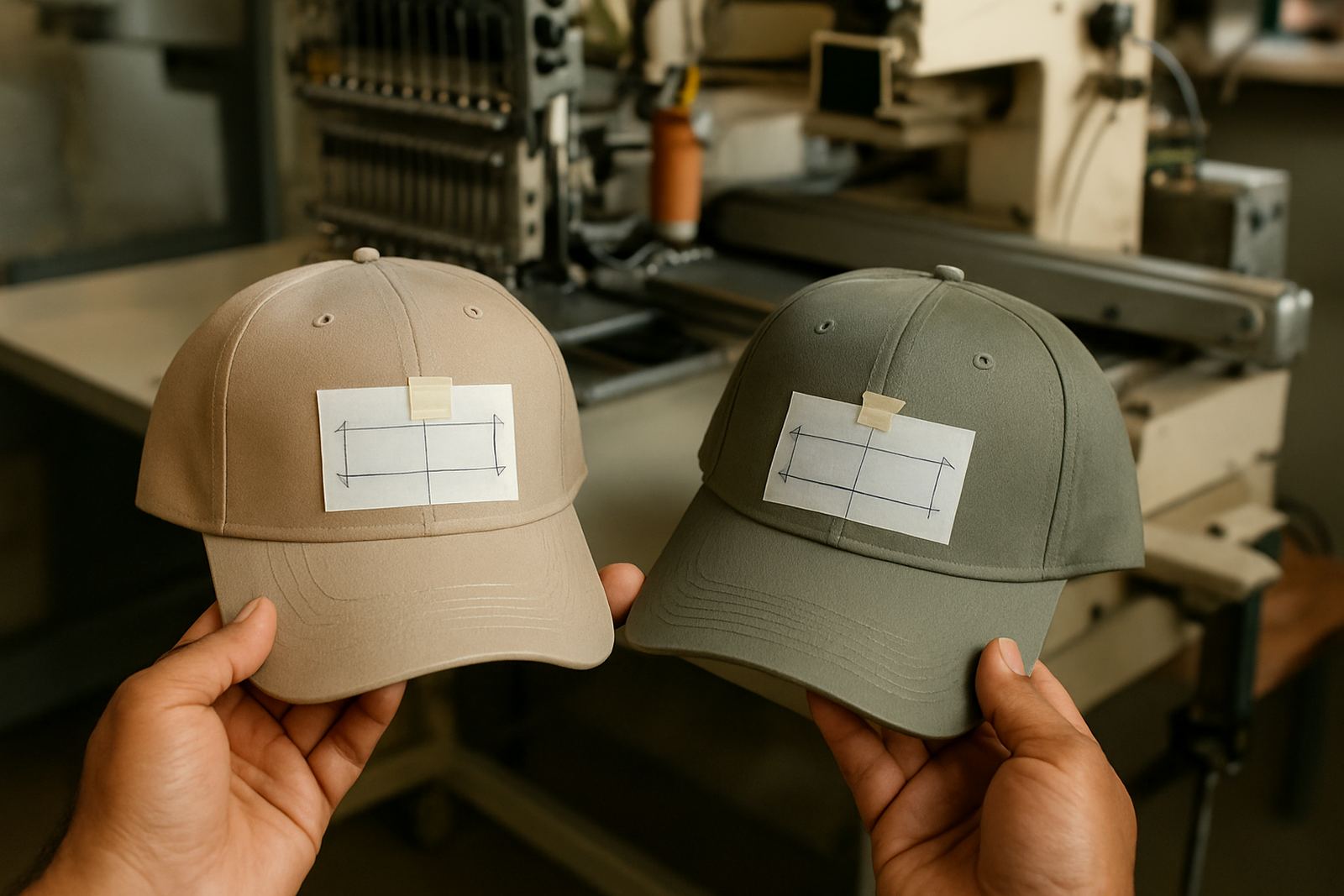
When the logo is prepared correctly from the start, the colour match stays consistent and the finished clothing feels like one set, not three separate orders. That is where proper mock-ups and approvals help, because you can see the placement before anything is put into production.
A Local Example From Mbombela to White River
Take a Lowveld school that runs early morning assembly in Mbombela and weekend sport in White River. The learners need a practical winter set that works in both places. A golfer gives a neat base, a fleece adds warmth for the coldest starts, and a lightweight jacket helps on windy afternoons or during travel.
For staff, the same logic applies. Administration may only need golfers and fleeces, while grounds staff or drivers may need jackets as well. If the uniforms are branded consistently, parents and visitors can still recognise the school team at a glance. That brings order to the day and helps everyone look prepared, even when the weather is changing by the hour.
Businesses face the same issue. A team in Nelspruit Central might spend the morning in an office and the afternoon on the road. The right layering keeps the uniform practical from first tea break to the last call of the day, and it avoids the common problem of people leaving jackets behind because they are too bulky or uncomfortable.
Ordering Winter Uniforms Without the Usual Delays
Winter orders often come in late, once the cold has already started. That usually means rushed decisions, mixed sizes and branding that does not line up across items. Planning ahead makes the whole process easier, especially for schools and businesses placing bulk orders across Mbombela, Kabokweni, Ngodwana and the wider Lowveld.
Before placing an order, decide who needs what. Some teams only need a golfer and fleece. Others need the full set with jackets, caps and bags for travel or outdoor work. Once sizes are confirmed and artwork is approved, packing the order by department or class saves a lot of time when distribution starts.
For winter uniforms to work properly, they must suit the climate, the job and the people wearing them. That means sensible fabrics, clean branding and practical combinations that can handle cool mornings and warmer afternoons without fuss.
In the Lowveld, winter is not about looking heavy, it is about dressing smart enough for changing weather.