Start with where the jacket will be worn
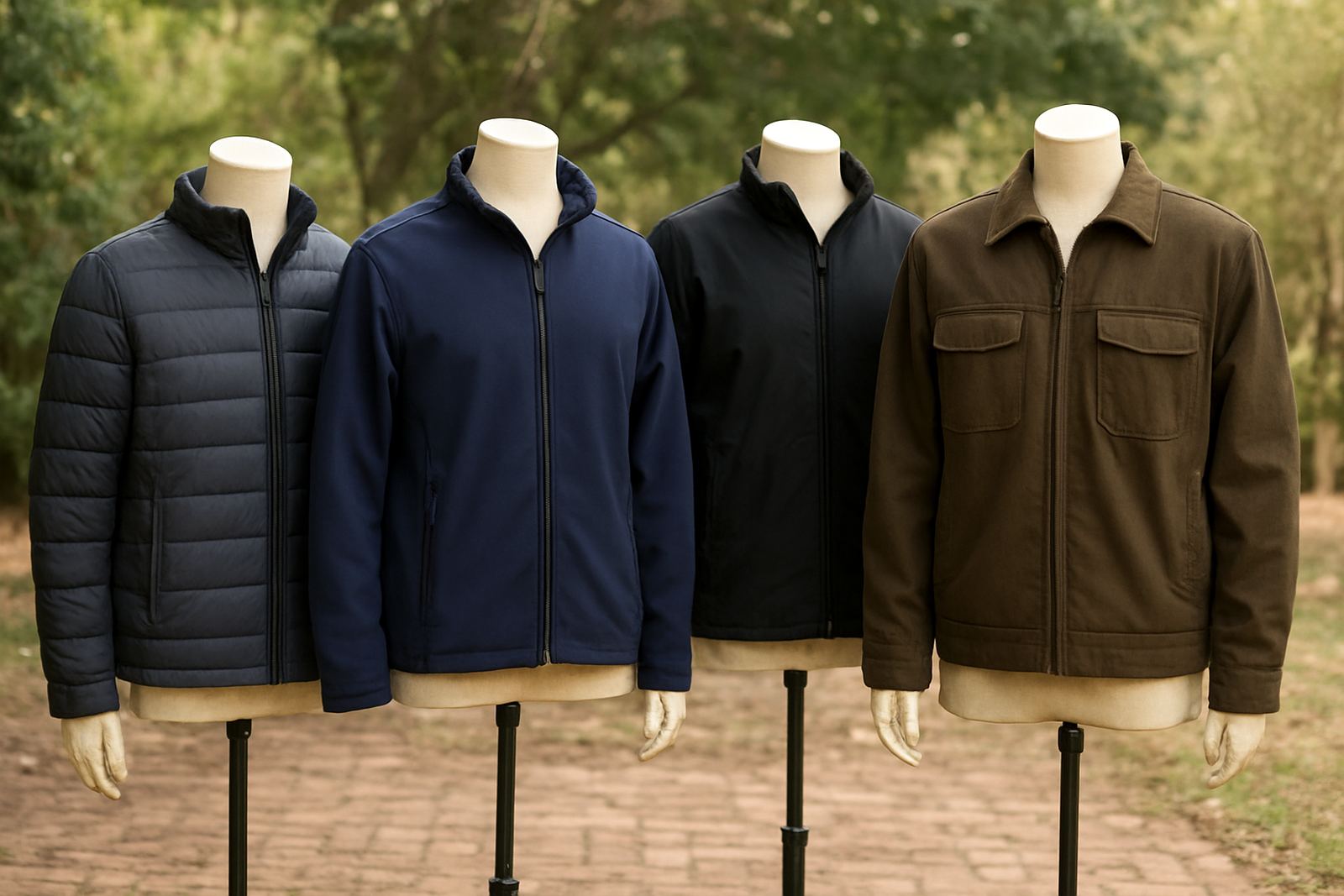
Before you look at colours or decoration, think about the actual day the jacket will be used. A delivery team moving between Mbombela, White River and Hazyview needs something different from a school staff group at morning assembly or a sales team meeting clients in Nelspruit Central. The right outer layer should suit the weather, the amount of movement, and whether the wearer is indoors, outdoors or moving between both.
In the Lowveld, mornings can be cool, but midday heat arrives quickly. That means many teams do best with light outerwear they can wear early and then remove later. If the jacket will live in a vehicle, office or storeroom, choose a fabric that packs well and does not take too much space. For coastal humidity is not the issue here, but dust, sun and occasional rain still matter, so easy-care outerwear usually makes sense.
- For early shifts and light wind: choose a fleece or lightweight softshell.
- For staff who move often between sites: look for a jacket with stretch and a good zip.
- For school groups and events: choose something tidy, warm enough, and easy to size across many people.
Fleece for warmth and simple branding
Fleece is a strong choice when you want warmth without weight. It works well for warehouse staff, school trips, reception teams and outdoor supervisors. It also gives a neat surface for embroidery on the chest, sleeve or back yoke. Fleece can be very practical for winter in Barberton, Malelane and higher lying areas around the Lowveld, where a light top layer is often enough.
It is best to keep branding simple on fleece. A logo on the left chest usually gives a clean result, and a name or department on the sleeve can help with identification. Large solid artwork can be too heavy on the garment, so we usually check the logo size before production. If the fleece is thin, a smaller stitch count often gives a better finish and less pull on the fabric.
- Best for cooler mornings, office wear and casual team uniform use.
- Choose medium weight fleece if the garment will be worn often.
- Check whether the team needs zipped pockets, a full zip, or a pullover style.
- Ask for a sample placement if the logo is fine-lined or detailed.
Softshell when you need a neater outdoor option
Softshell jackets suit teams that need a cleaner look with more structure. They are popular for supervisors, sales staff, technical teams and school groups because they hold their shape and handle light wind better than basic fleece. They can also work well for branded uniforms that must look presentable throughout the day.
Softshell is usually a good fit if your staff travel across the Lowveld and want one jacket they can wear in the office and on site. It handles light rain better than fleece, though it is not the same as a heavy raincoat. For embroidery, softshell gives a smart finish, but the placement needs care because some panels stretch more than others. We check the jacket seams, zip line and pocket positions before setting the artwork.
- Choose softshell for a smarter appearance and mild weather protection.
- Good for mobile staff who need one garment for site visits and meetings.
- Check whether the jacket is lined, lightly padded, or unlined.
- Make sure the logo area is flat enough for clear stitch detail.
Light outerwear for events, schools and in between seasons
Light jackets, windbreakers and thin shell styles are useful when you want coverage without bulk. They suit sports days, promotions, school outings, loading teams and early morning events where people need something easy to wear and pack away. In Mbombela and surrounding areas, these garments can be useful for the cooler part of the day and then stored once the sun comes up.
These lighter items usually give less warmth, but they are easier to carry and often cheaper per unit. They also work well for larger group orders where colour coding matters. If your team wants one jacket for every season, this may not be enough. But if the purpose is visibility, presentation and a neat finish, light outerwear can be a sensible choice.
- Best for events, travel, short-term use and layered uniforms.
- Check if the jacket folds into a small bag or pouch for easy storage.
- Choose colours that match your shirts, caps or school colours.
- Confirm whether you need men’s, ladies’ and youth sizes in the same order.
Branding choices that affect the final look
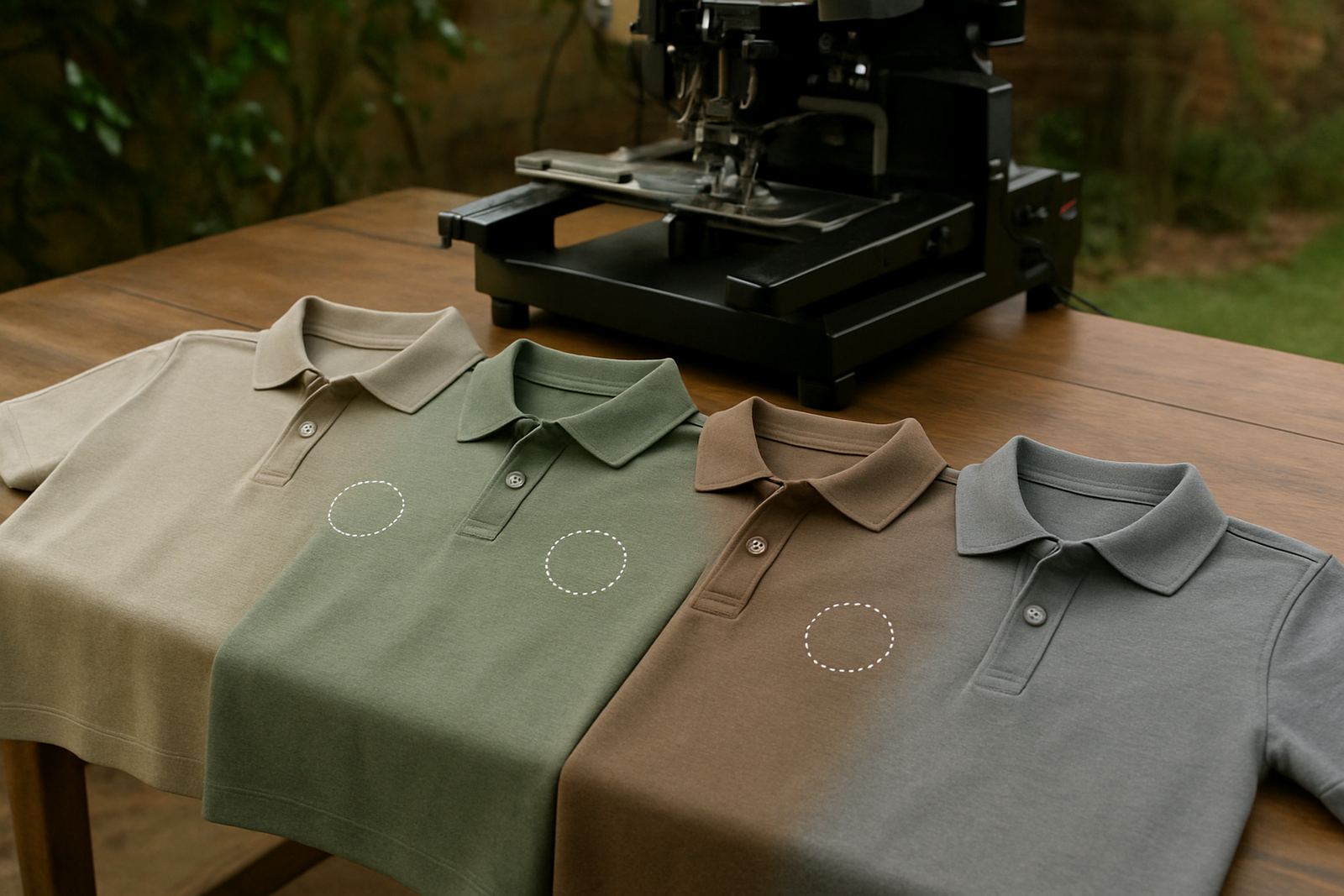
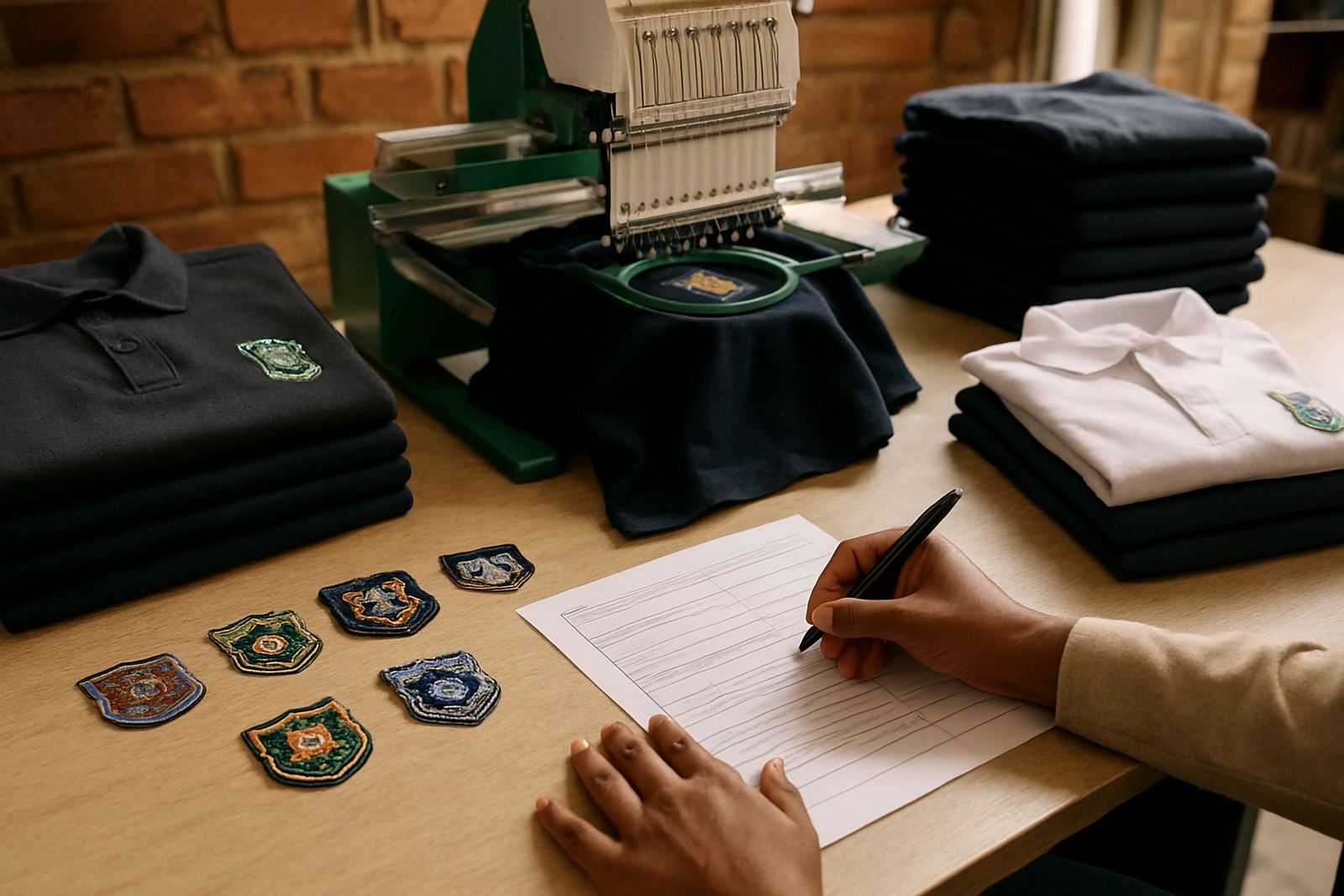
Once the jacket type is chosen, the branding method must match the fabric. Embroidery is the most common option for jackets because it looks crisp and lasts well through regular wear. It suits company logos, school crests, staff names and department markings. Screen printing can work on some light jackets, while sublimation is generally used when the garment is made for that process from the start.
The size of the logo matters. A large design may look good on paper but not fit neatly on a chest panel or sleeve. Some jackets have stitching, seams or zips that interrupt the print area. That is why we prepare mock-ups and approvals before production, so the placement is correct and the garment still feels comfortable. If the jacket is for daily use, keep the branding clear and practical rather than overloaded.
- Use embroidery for a long-lasting, professional finish.
- Use print where the jacket fabric allows it and the artwork is simple.
- Check logo size, garment seams and pocket positions before approval.
- Keep names short if you want a clean chest or sleeve layout.
A simple ordering checklist for your team
A good order starts with clear details. Knowing who will wear the jackets, how many are needed and where the branding must go helps avoid delays. For businesses in Mbombela, White River, Hazyview, Malelane, Barberton and nearby areas, this is especially useful when you are placing bulk orders for different departments or schools with mixed sizes.
We also recommend checking the timing. Jacket orders are often placed just before winter, sports events or annual school functions, which can put pressure on production. If you need a specific delivery date, allow enough time for digitising, approvals and stitching or printing. Load-shedding can also affect factory schedules, so a bit of lead time helps keep the order moving. It may sound simple, but the ordering process goes much smoother when the details are ready from the start.
- Confirm the jacket style, colour and size range.
- Send the logo in the best available format for digitising.
- State whether you need embroidery, print, names or all three.
- Approve the mock-up before production begins.
- Plan for bulk packing if items go to several sites or branches.