
Start with the school list and crest approval
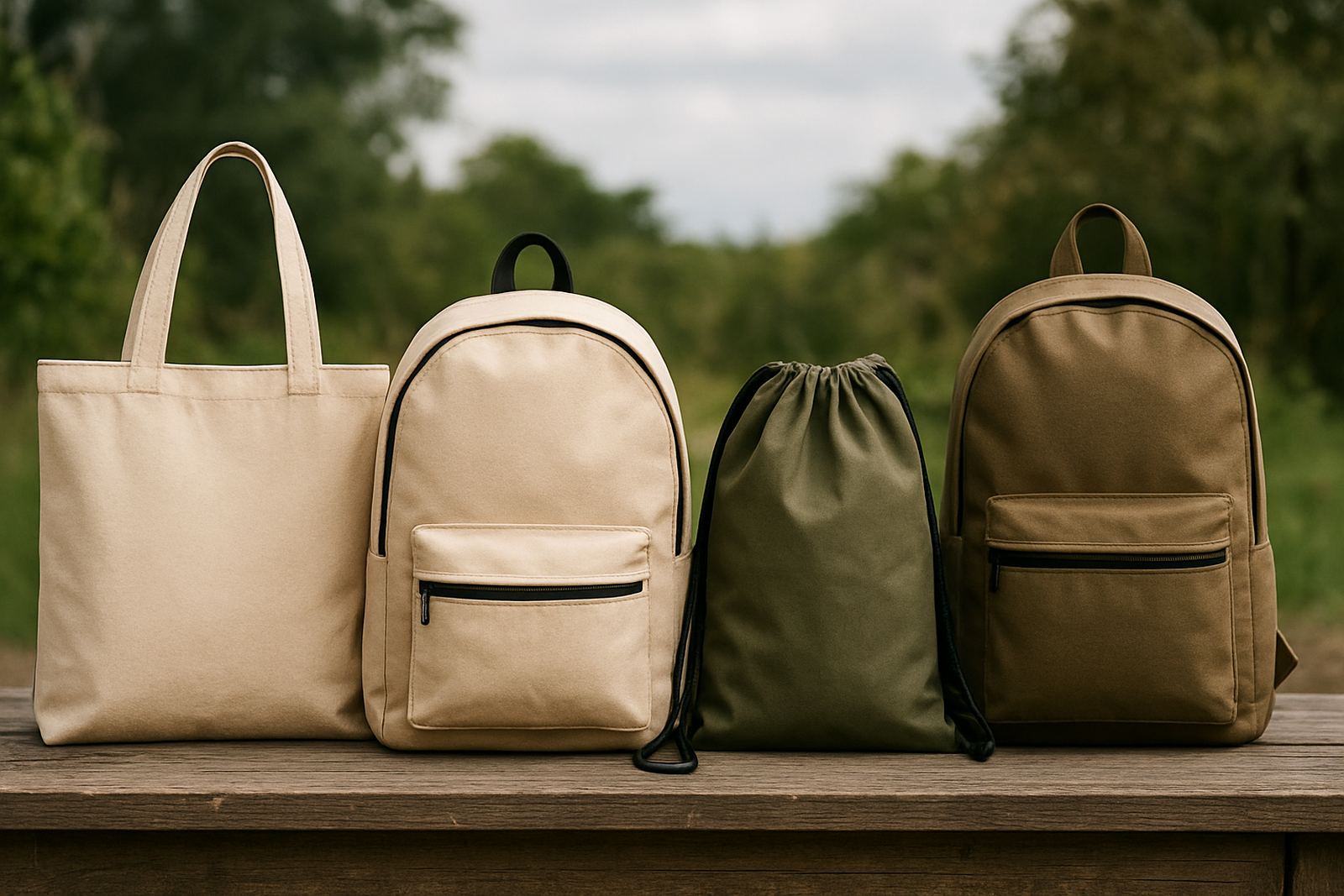
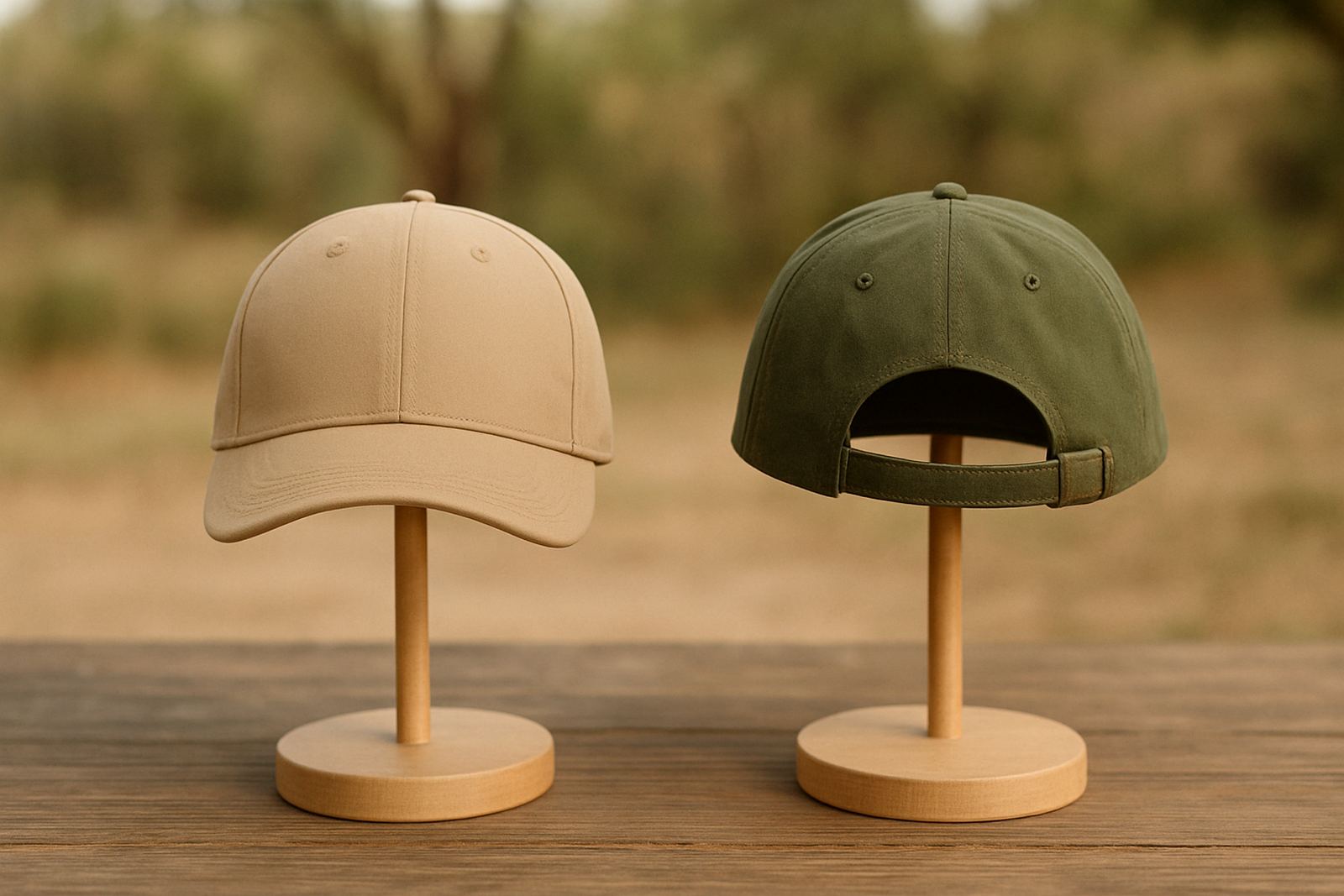
Before any garment goes into production, confirm the exact items the school wants for the term. That usually includes shirts, golf shirts, jerseys, tracksuits, skirts, trousers, caps and bags, plus the correct crest position on each item. A clear school list helps avoid mixed orders and saves time when you are handling multiple grades or houses.
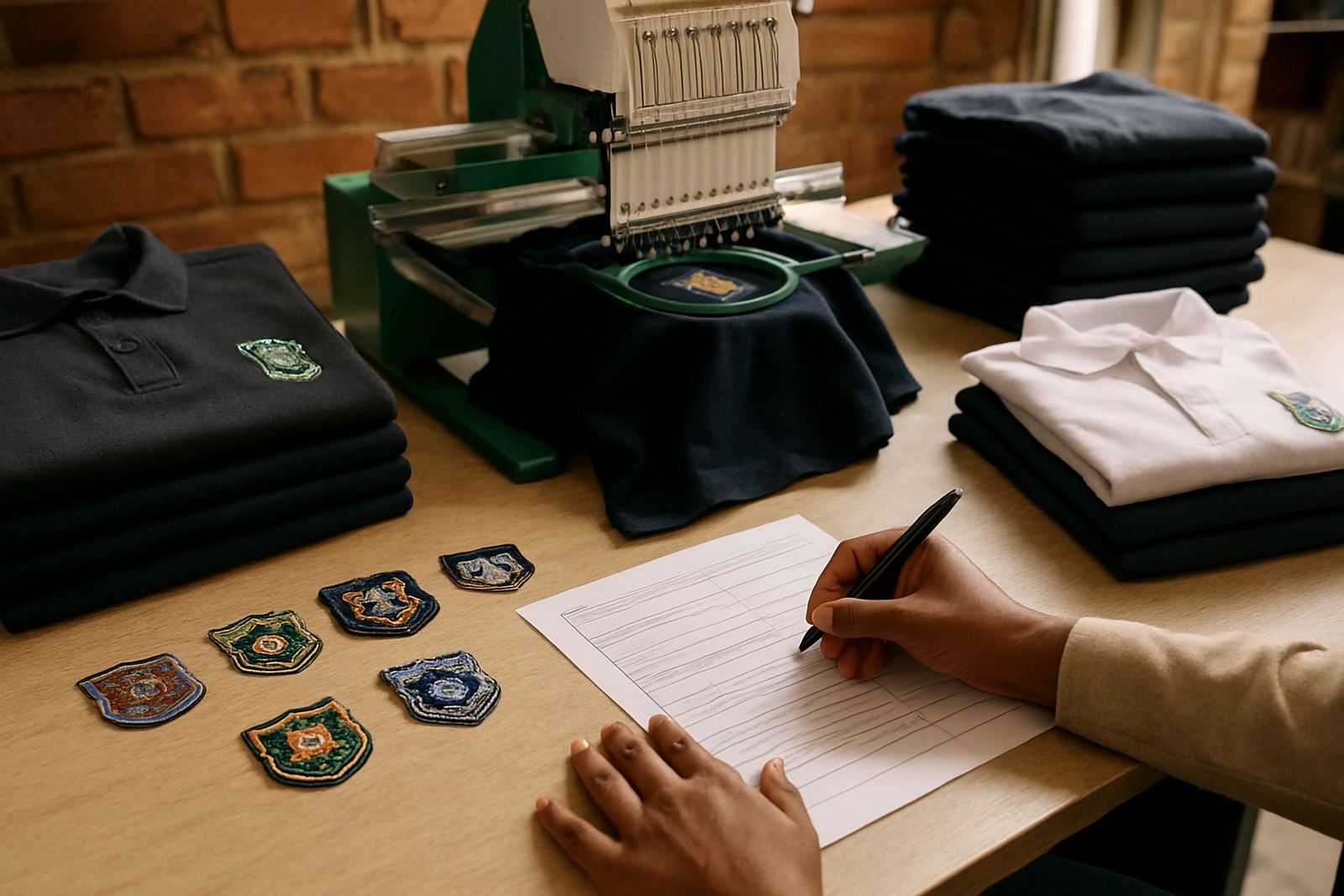
Send the crest artwork as early as possible, even if the order is still being finalised. If the school uses a logo, badge or initials, it needs to be checked for stitch count, size and stitch direction before we run samples. A crest that looks fine on paper can become too small for thread detail, or too busy for a clean finish on knitwear and lightweight fabrics. Getting approval early also avoids delays when term dates are close and stock is moving fast.
For most school orders, it helps to have one person or committee member sign off the final version. That keeps the process tidy and prevents different instructions coming in later from different people.
Plan learner sizes with a proper measurement check
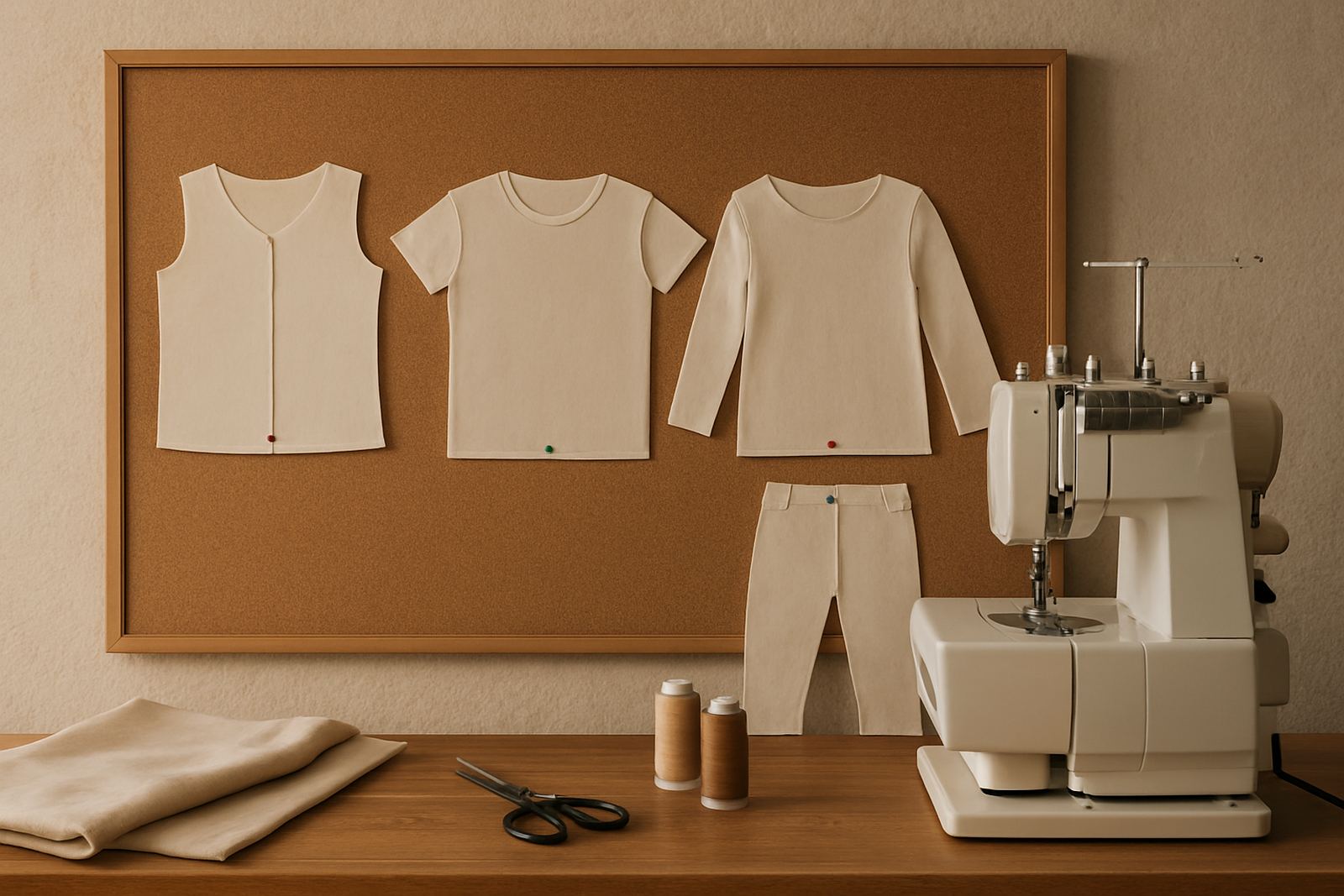
School wear is easiest to manage when sizes are checked on the learner, not guessed from age alone. Children grow quickly and a size that worked last term may now be tight at the shoulder or too short in the sleeve. For larger orders, it is worth setting aside a fitting session with a sample set or current uniforms to compare against.
Write down the size, grade and item type for each learner. Some families order one set for daily wear and another for special events, so keep those sizes separate. When you are dealing with jerseys, track pants or blazers, a small difference in chest width or leg length can change the comfort quite a lot. If you are unsure, rather allow a little extra room for growth, especially for younger learners who need durability through the whole term.
- Check chest, waist, hip and length measurements where relevant
- Separate boys and girls fittings where the cut differs
- Confirm if items must be loose for layering in winter
- Mark special notes such as shorter sleeves, longer trousers or fuller fit
Choose the right branding method for each item
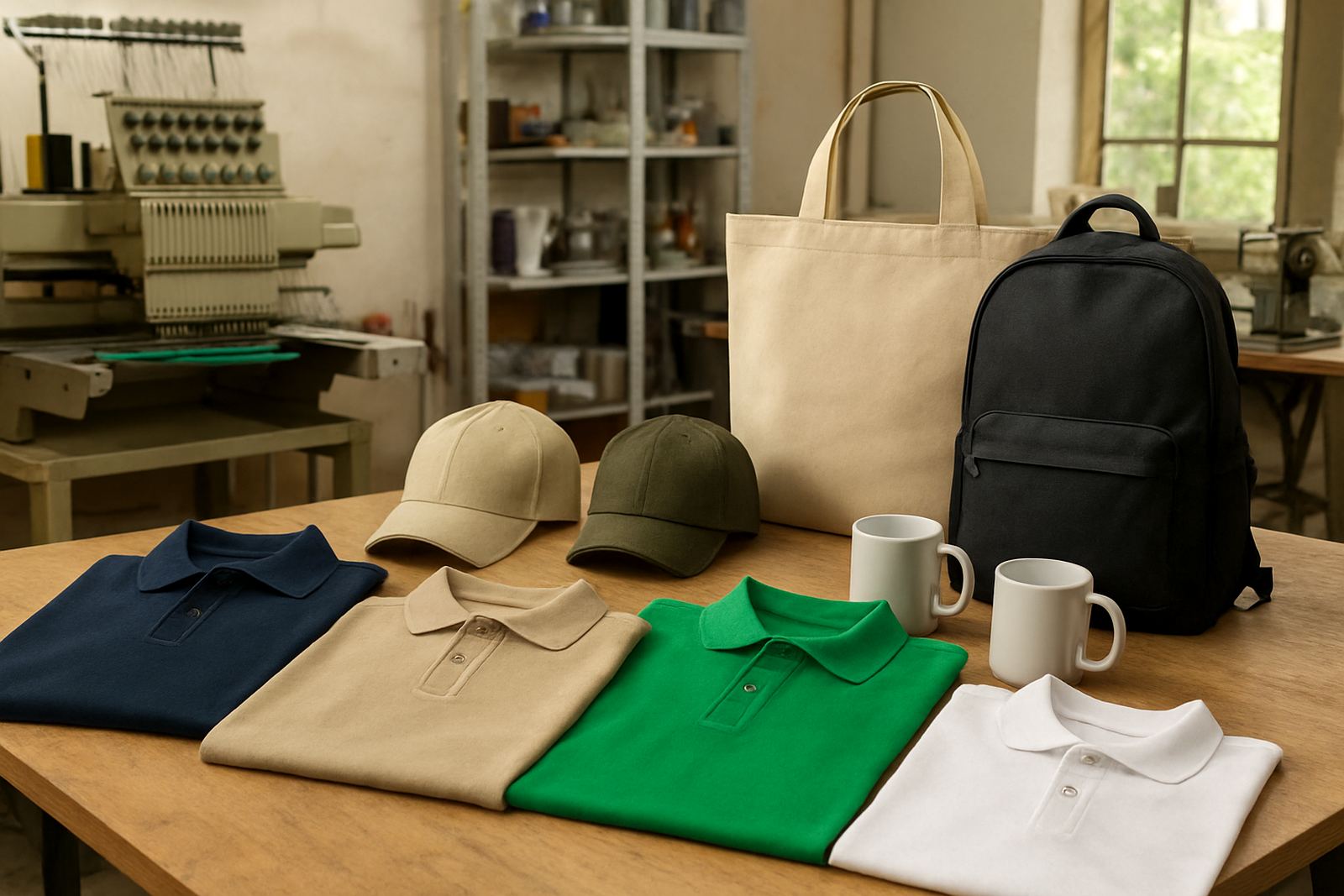
Different school items need different branding methods. Embroidery works well for shirts, jerseys, caps and many bags because it gives a neat, long-lasting finish. Screen printing is often a practical choice for T-shirts, sports tops and bulk event wear where the same design repeats across many pieces. Sublimation is useful for full-colour sports garments and lightweight custom clothing where the design must become part of the fabric.
For schoolwear branding, the fabric matters as much as the logo. Thick knitwear takes embroidery well, while some synthetic fabrics are better suited to print methods. If the school wants names on items, name personalisation can be added in a clear placement that is easy for teachers and parents to identify. The aim is to keep the uniform practical for daily use and also easy to sort after sports days, excursions and interschool events.
When the order includes caps, bags or gifts for prize giving, ask for the intended use so the branding size and placement can be adjusted properly. A small mark on a cap front may need a different setup from a large back print on a bag.
Use term ordering windows to avoid rush charges
Most school orders move in clear waves: before term starts, after the first few weeks and again before winter or year-end events. If you order too close to the start date, there is less room for corrections and the turnaround can become tight. A better approach is to set an ordering window at least a few weeks before delivery is needed, then allow a short period for changes after parents have checked sizes.
This works well for schools in Mbombela, White River, Hazyview, Malelane, Barberton and the surrounding Lowveld areas because delivery timing can be planned around school calendars and local traffic. It also helps when load-shedding affects production schedules, since embroidery, printing and packing all need stable planning. If the school is placing a bulk order, build in extra time for approvals, sorting and packing by learner name or grade.
- Allow time for crest approval before the order is final
- Keep a small buffer for late size changes
- Place winter items before the cold front hits
- Order event clothing well before sports day or prize giving
Prepare a clean order sheet for parents and staff
A tidy order sheet cuts down on mistakes and makes it easier to track payments, sizes and delivery dates. List each item separately with size, colour, quantity and branding requirement. If the school uses more than one house colour or grade code, make that clear on the sheet so the correct garment is issued to the correct learner. For committee work, it also helps to have a simple column for notes, such as blazer trim, embroidery on pocket, or initials on the sleeve.
When families place orders through a school office or committee member, ask them to check spelling carefully. Names and initials must match the learner record if the order includes personalisation. Even a small error can mean reworking a piece, so it is better to confirm once and print once. A proper checklist keeps the process moving and reduces back-and-forth during busy term periods.
- Learner name and surname
- Grade and class
- Item description and colour
- Size and quantity
- Personalisation details if needed
Pack, label and hand over with fewer mix-ups
Once production is complete, the final stage matters just as much as the branding itself. Bulk order packing should be done in a way that makes distribution simple for the school. That may mean sorting by learner, by grade or by class list, depending on how the school hands out uniforms. Clear labels save time at collection and help staff or parents avoid mixing up items.
For larger school orders, check that the quantities match the approved list before collection. It is easier to resolve a missing size on packing day than after the goods have already been sent out. If the order includes gifts, caps or promotional items for a school function, keep those separate from regular wear so nothing gets overlooked. Schools often appreciate a quick final count, especially when the order includes many learners and multiple garment types.
With the right planning, school wear orders stay orderly from approval to handover and everyone knows what is arriving, when it is due and who is responsible for the final check.