When embroidery is the right choice
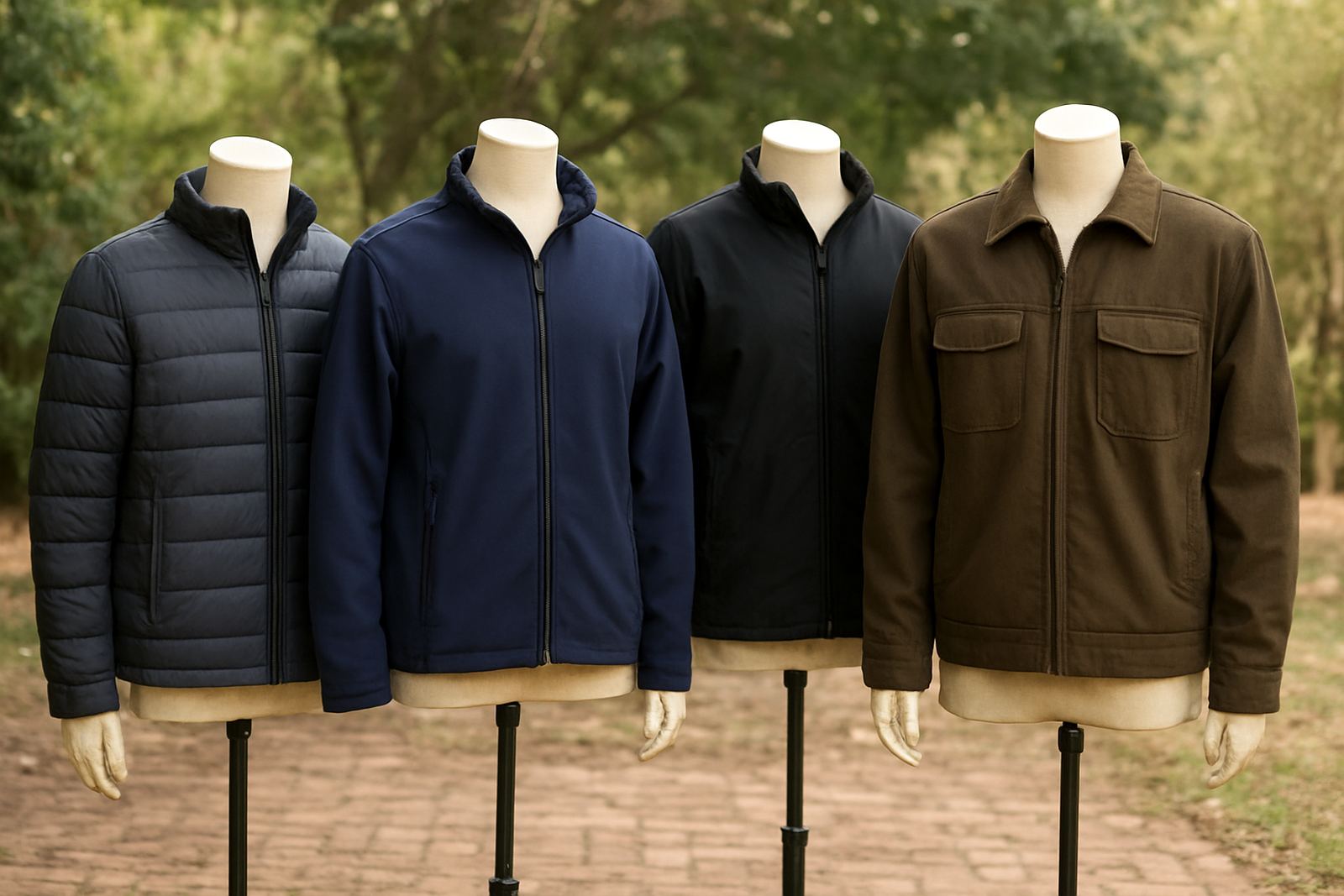
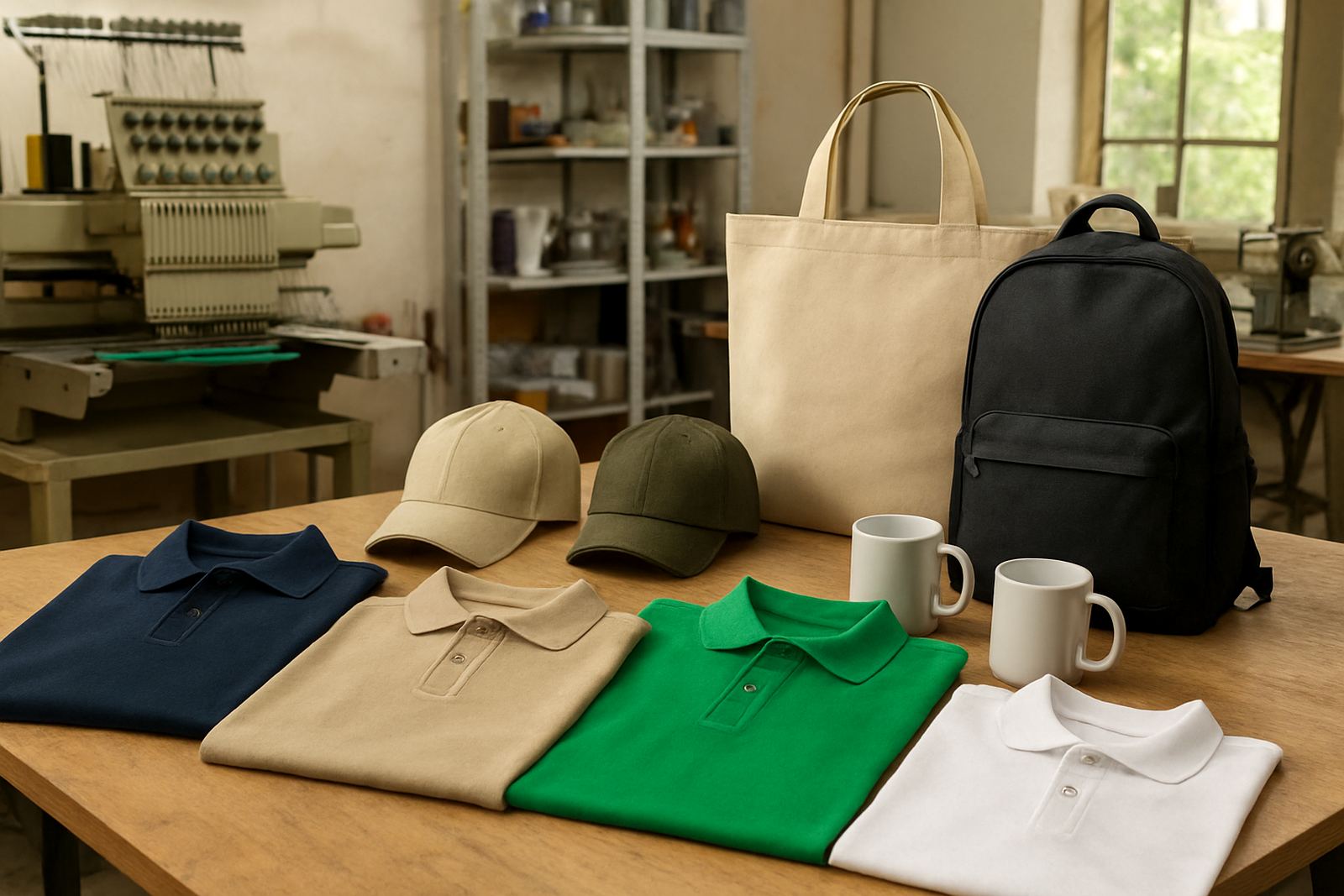
Embroidery suits garments and items that are handled often and need a smart, long lasting finish. It is a strong fit for workwear, school wear, caps, bags, fleece jackets, golf shirts and hospitality clothing. In the Lowveld, where uniforms get real daily use and plenty of sun, embroidery holds up well on items that are washed regularly and worn by staff on site.
It is usually the best option when you want a raised, professional look with thread colour that stays visible over time. It also works well for small logos on the chest, sleeve, collar or cap front. If you need a crisp result for offices in Mbombela, schools in White River or field teams around Hazyview and Malelane, embroidery is often the first place to start.
- Best for small to medium logos
- Ideal on thicker fabrics and structured items
- Good for uniforms that must look consistent
- Suitable for repeated washing and daily wear
Where logo simplification makes embroidery better
Not every logo is ready for stitching as is. Very thin lettering, tiny details, shading, gradients and fine outlines can disappear once a design is turned into stitches. A logo with many colours can also become heavier and less practical on smaller items like caps or shirt pockets. That is where simplification helps, while still keeping the identity of the original mark.
For embroidery, clean shapes and clear letterforms usually work best. If your logo has a long slogan, narrow script, or detailed icon work, we may recommend a simplified stitch version for production. That does not mean losing the brand, only adapting it so the final item looks neat and reads properly from a normal viewing distance.
- Reduce tiny text that cannot stitch clearly
- Remove fine lines and tight inner details
- Limit colour changes where possible
- Use stronger shapes for caps and small chest areas
How the embroidery process works from first approval
The process starts with your logo artwork and the item you want to brand. From there, the design is prepared for stitching and checked against the size of the garment or accessory. If you are ordering for a school, business or club, we look at the placement, thread colours and the final finish before anything goes into production.
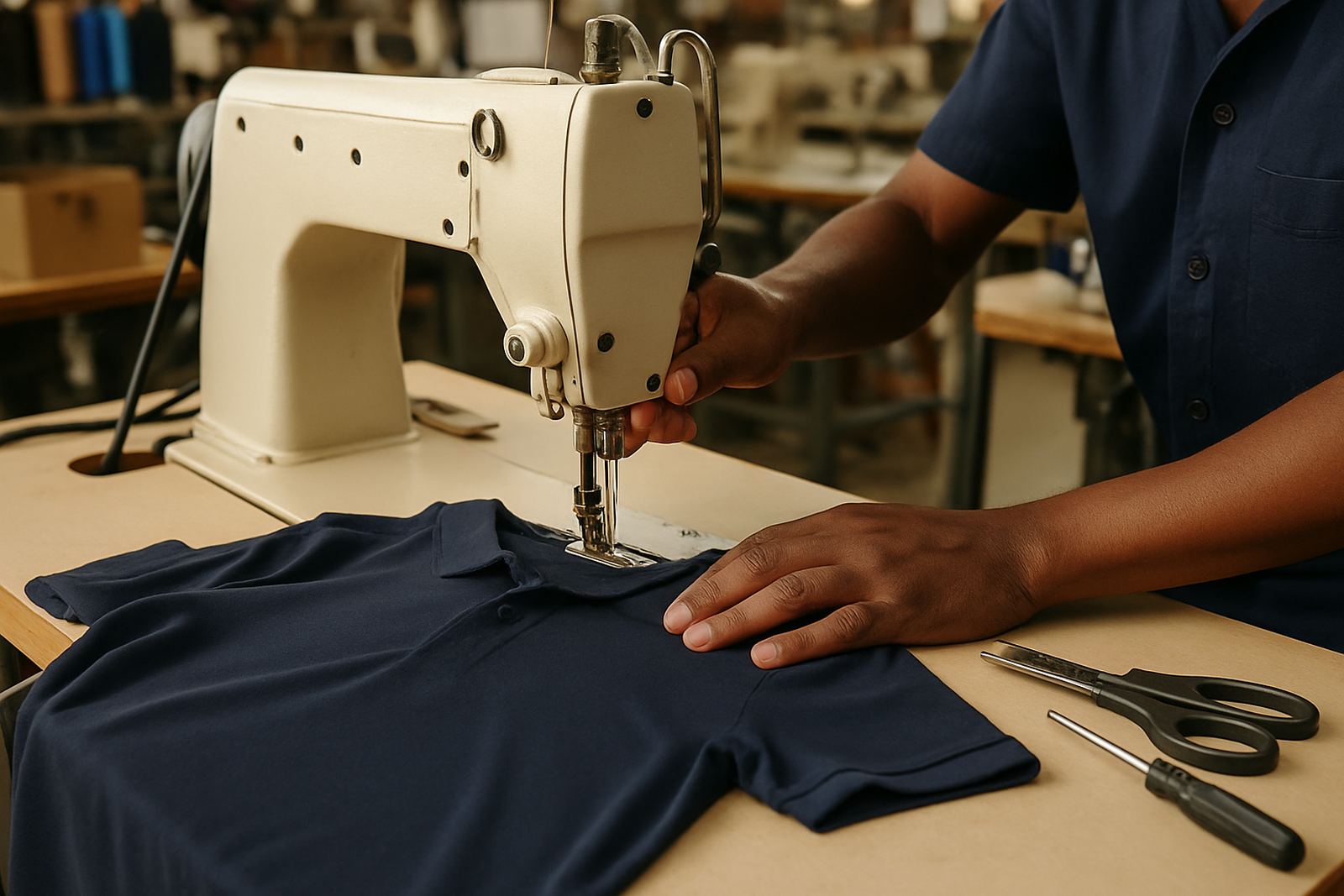
For most orders, a mock-up is shared so you can see placement and general appearance before work begins. Once approved, the item goes to production and the stitching path is set according to the fabric and the size of the logo. This step is important because embroidery behaves differently on cotton, poly cotton, softshell and heavier fabrics.
- Send the logo in the best quality you have
- Choose the item and size of branding first
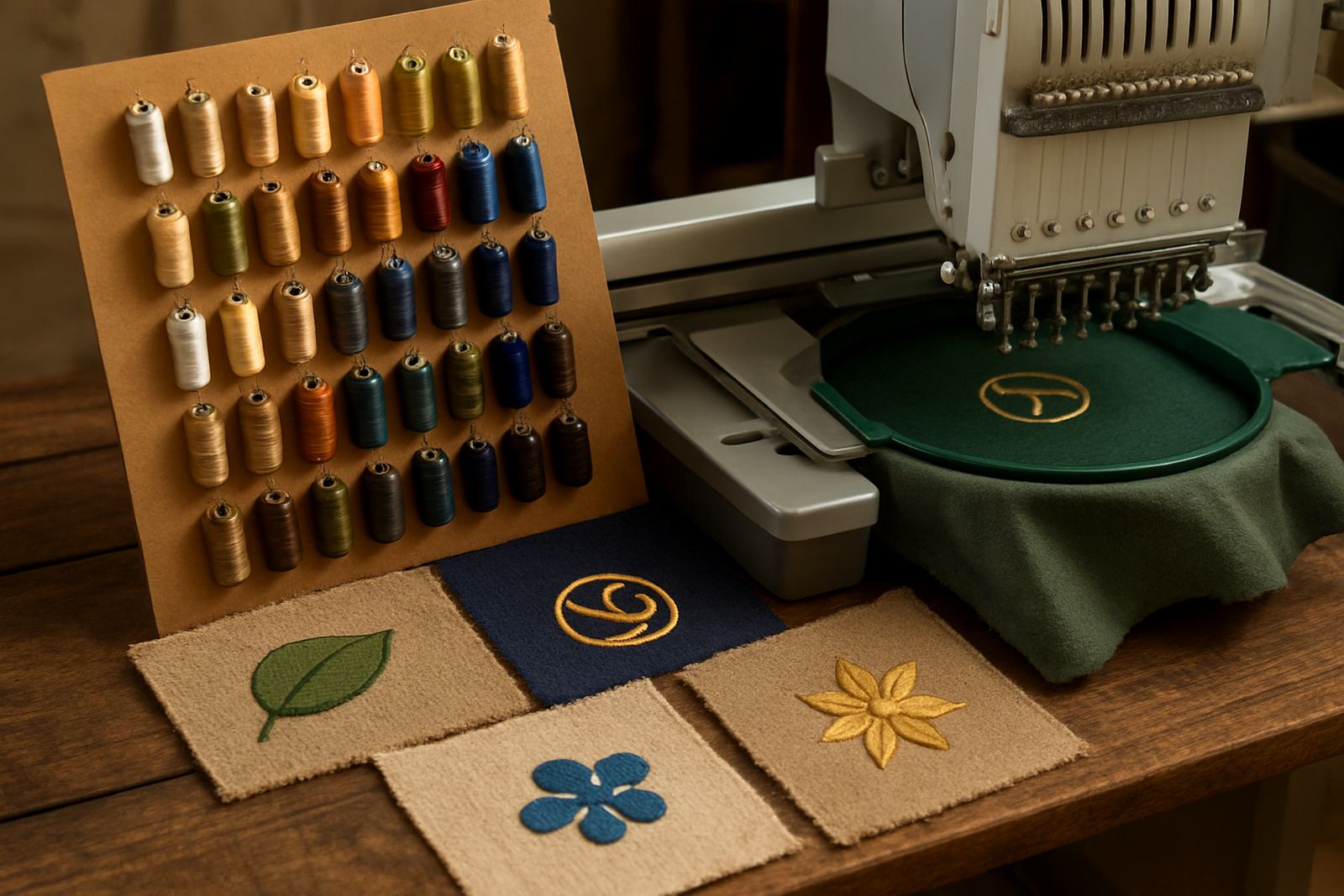
- Check thread colour names against your brand colours
- Approve the placement before the job is stitched
Choosing the right item for stitching
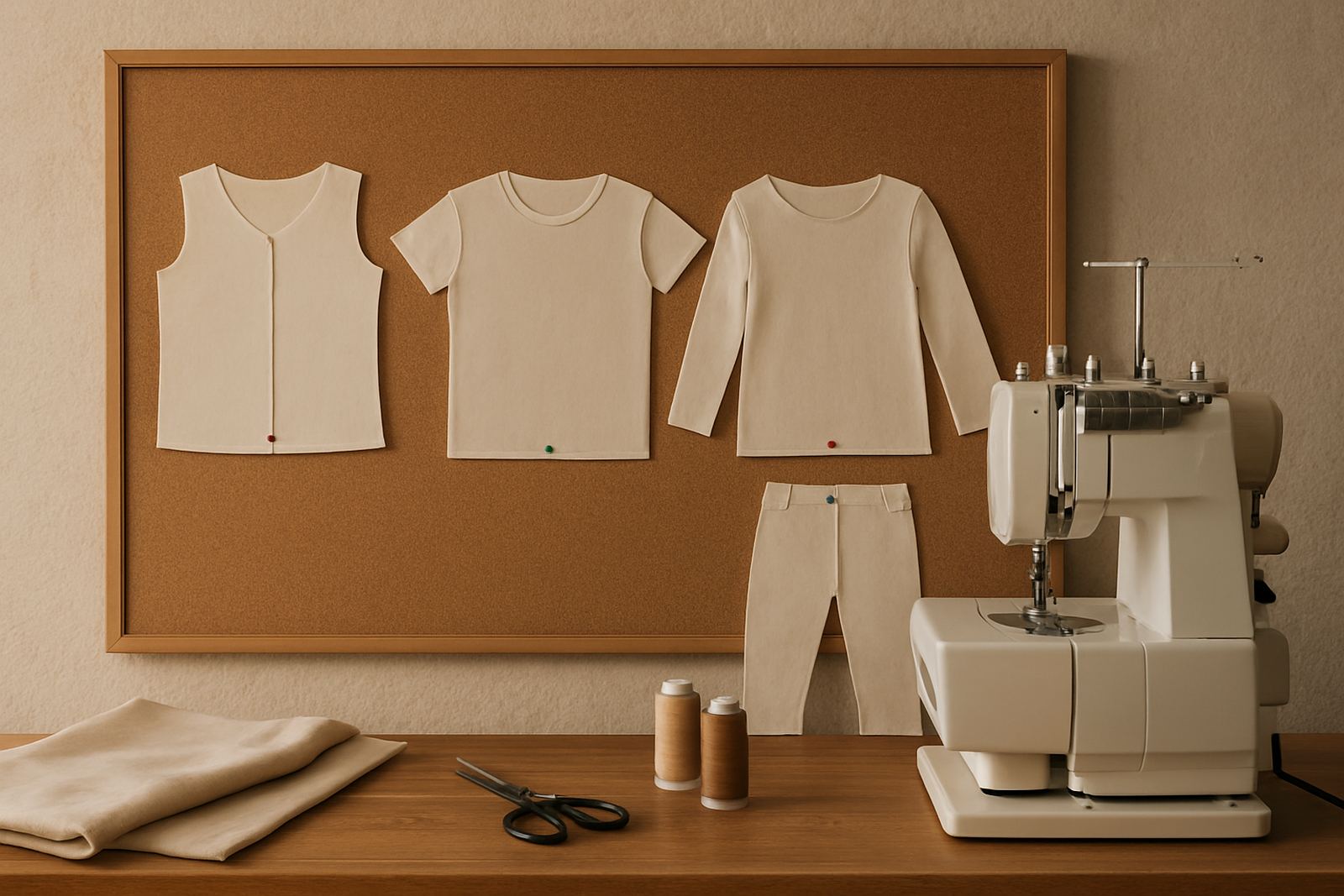
Some garments are easy to embroider, while others need more care. Polo shirts, jackets, caps and bags are straightforward in most cases. Very light fabrics, stretch fabrics and ultra fine garments may need extra support so the stitching does not pull or pucker. In the Lowveld heat, lighter materials are popular but they still need to carry the branding properly.
If the item will be used outdoors, in school transport, or by staff moving between sites, choose a material that can handle regular wear and washing. For caps and bags, embroidery gives a firm finish that stays visible in the dust and sun common in Mbombela, Barberton, Kabokweni and surrounding areas.
- Caps: good for front logos and initials
- Shirts and polos: best for left chest, sleeve or back neck
- Jackets and fleece: good for longer wear and cold mornings
- Bags: suitable for company names and school identification
What to check before you approve a stitch file
Before production, it helps to slow down and check a few practical details. Small changes at the approval stage can save time and avoid rework later. If the logo is being used on multiple items, make sure the size works on each one and not only on the sample garment. A cap can need a different treatment to a shirt, even when the logo is the same.
Also check spelling, initials, school names, branch names and the colour combination. Thread colours can look slightly different from ink or screen views, so it is worth comparing carefully. If you need name personalisation for staff or learners, confirm the spelling for each person before the order is packed.
- Check spelling on all names and slogans
- Confirm logo size for every garment type
- Review thread colours in natural light if possible
- Make sure the placement suits the item being branded
Practical care for embroidered clothing in local conditions
Good care helps embroidery last longer, especially in the Lowveld where items can be washed often and worn in warm weather. Turn garments inside out before washing, avoid harsh bleach and dry them in shade where possible. Strong sun can fade fabric over time even when the thread itself remains in good condition.
For schools and businesses, it helps to keep a simple wash guide for staff and parents. This is especially useful for caps, branded sportswear and uniforms used every week. If the order includes bulk packing, labelling by size or department can make distribution much easier for your team. Small habits make a big difference, especially when orders are going out to more than one site.
- Wash inside out to protect the stitches
- Use mild detergent and avoid strong chlorine
- Dry in shade to reduce fading
- Store items clean and folded to keep them tidy