Start with the wearer group, not the garment
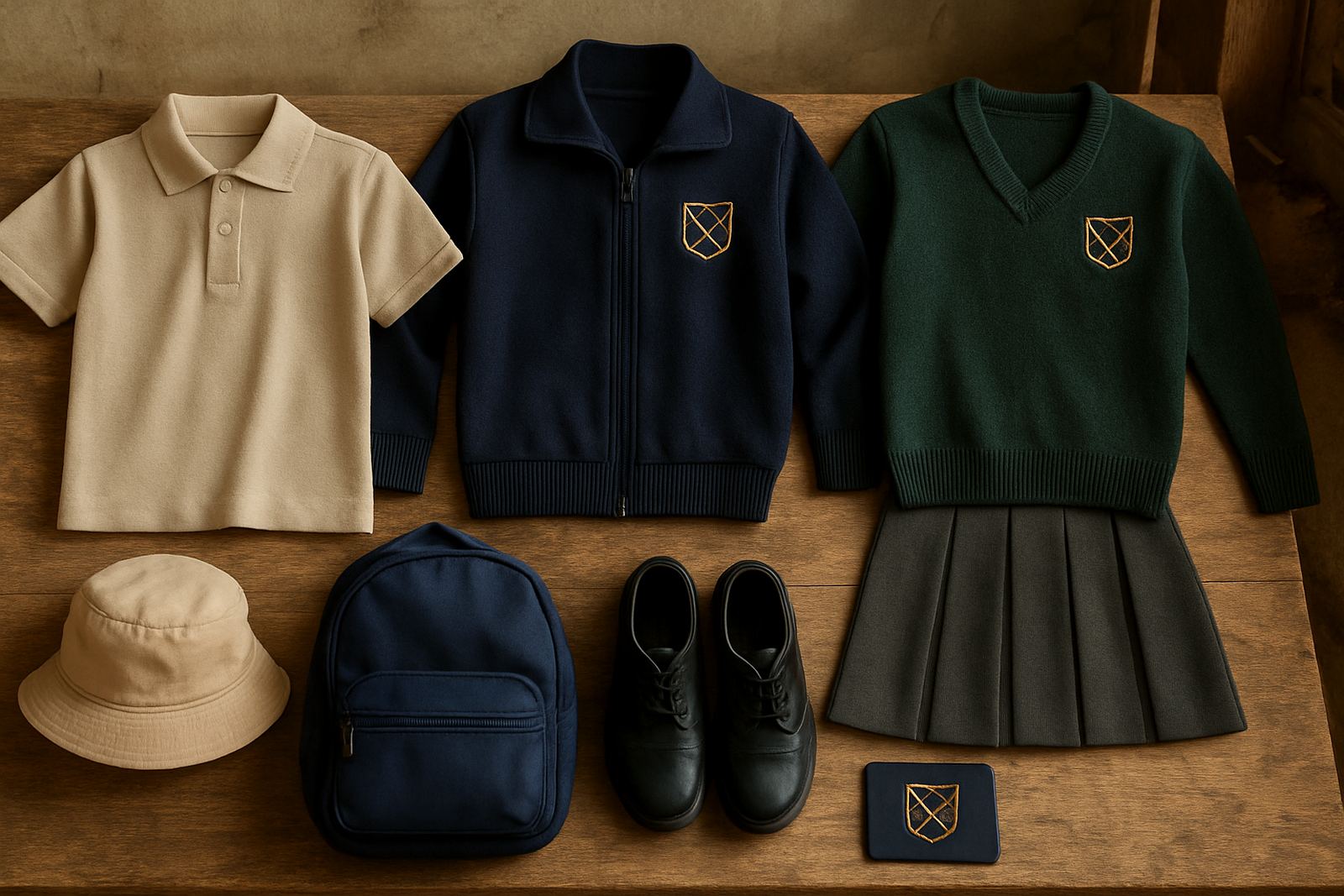
The cleanest size run starts with knowing who will wear the items and how they will be used. A frontline team in Mbombela may need a different split from a school support staff order in White River, even if the garment is the same. Work from the actual group first, then match the style, fabric and branding method to that group.
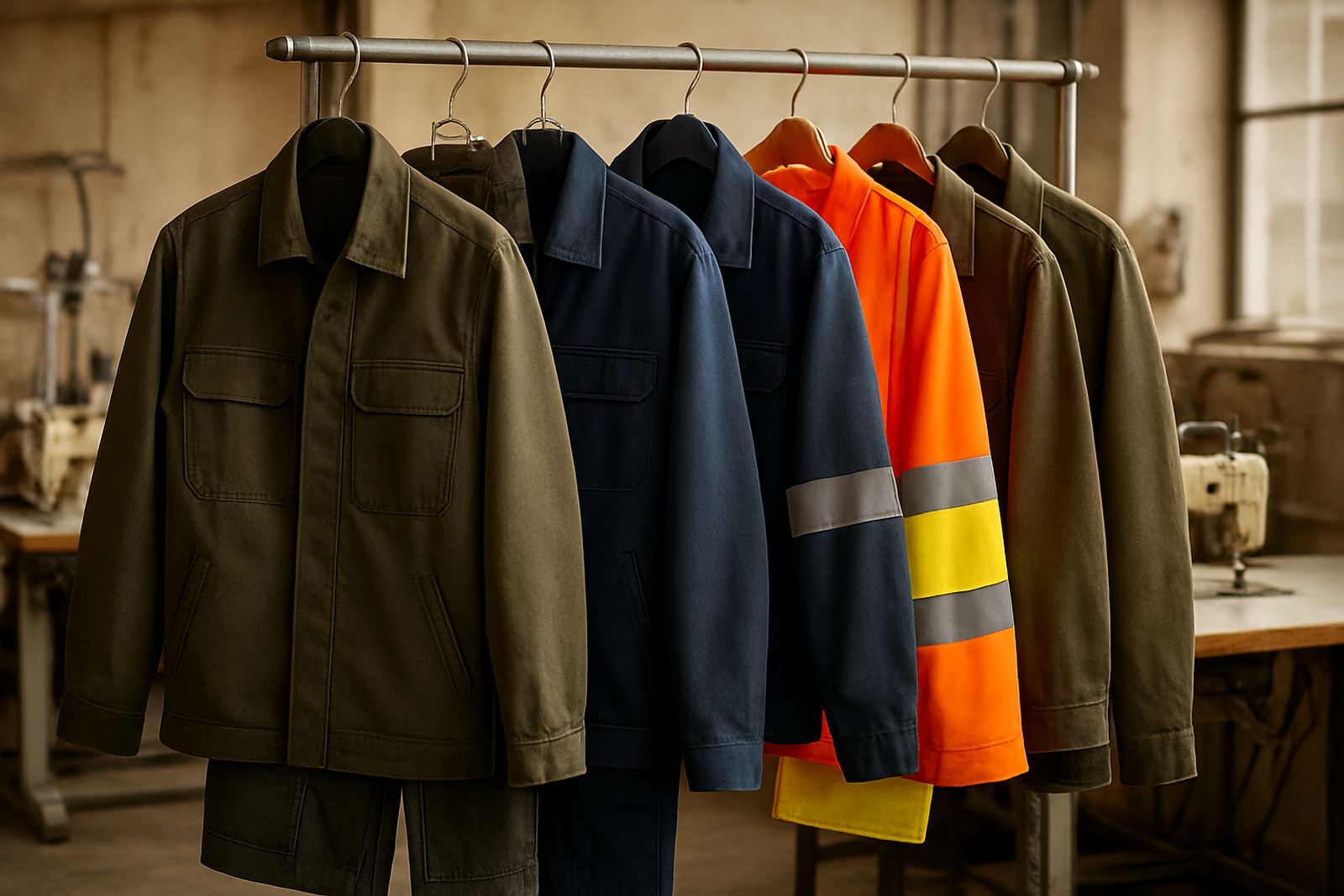
For example, a light cotton shirt for indoor office wear will usually follow a different size curve from a heavier polar fleece jacket or a golf shirt worn over another layer. If you are ordering for several departments, separate the counts by team before you combine them into one production sheet. That makes approvals easier and prevents one section from swallowing all the medium sizes.
- List each wearer group separately
- Note gender mix, age range and job function
- Check if the clothing is for daily wear, events or school use
- Confirm whether layering is needed in winter
Use actual measurements where possible
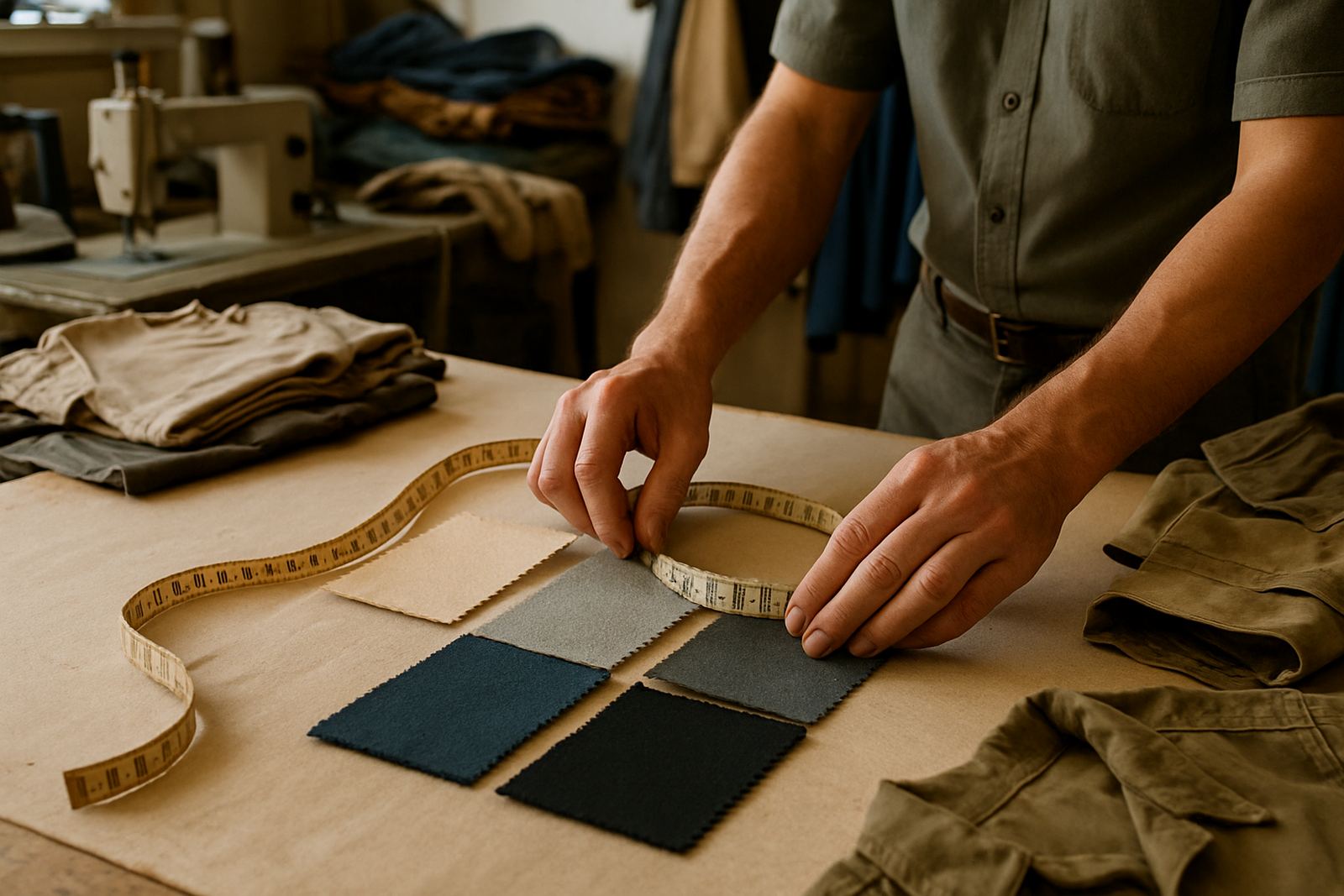
Guessing sizes is where many bulk orders go wrong. If the clothing needs to fit a broad team, ask for chest, waist, hip and, where relevant, height measurements. This is especially useful for schoolwear branding, sports groups and hospitality teams in hot Lowveld conditions where a poor fit is noticed quickly.
If you cannot measure everyone, use a sample set for fitting. Ask a few people from each size group to try on the garments and confirm the fit before the full order is packed. Keep in mind that some items fit tighter than others, and embroidery can change how a garment feels across the chest or back.
- Measure a small fitting group from each department
- Record measurements in centimetres for consistency
- Allow for movement if the wearer bends, lifts or drives often
- Keep notes on repeat orders so the next split is faster
Build a size curve that matches real demand
A size curve is the split of small, medium, large and larger sizes across the order. A good curve reflects the people who will actually wear the clothing, not a textbook chart. For many corporate wear orders in the Lowveld the middle sizes carry the largest share, but that should still be checked against the team list.
When you are planning a mixed order, use the previous year’s issue records if they are available. If there is no history, start with a balanced curve and adjust after checking with supervisors. For high movement roles such as field staff, consider a slightly broader spread because comfort matters over the course of a full day.
- Base the curve on actual headcounts, not estimates
- Separate male, female and unisex garments if sizing differs
- Allow extra larger sizes for layered winter wear
- Keep a small buffer for new staff or replacements
Match the size run to the branding method
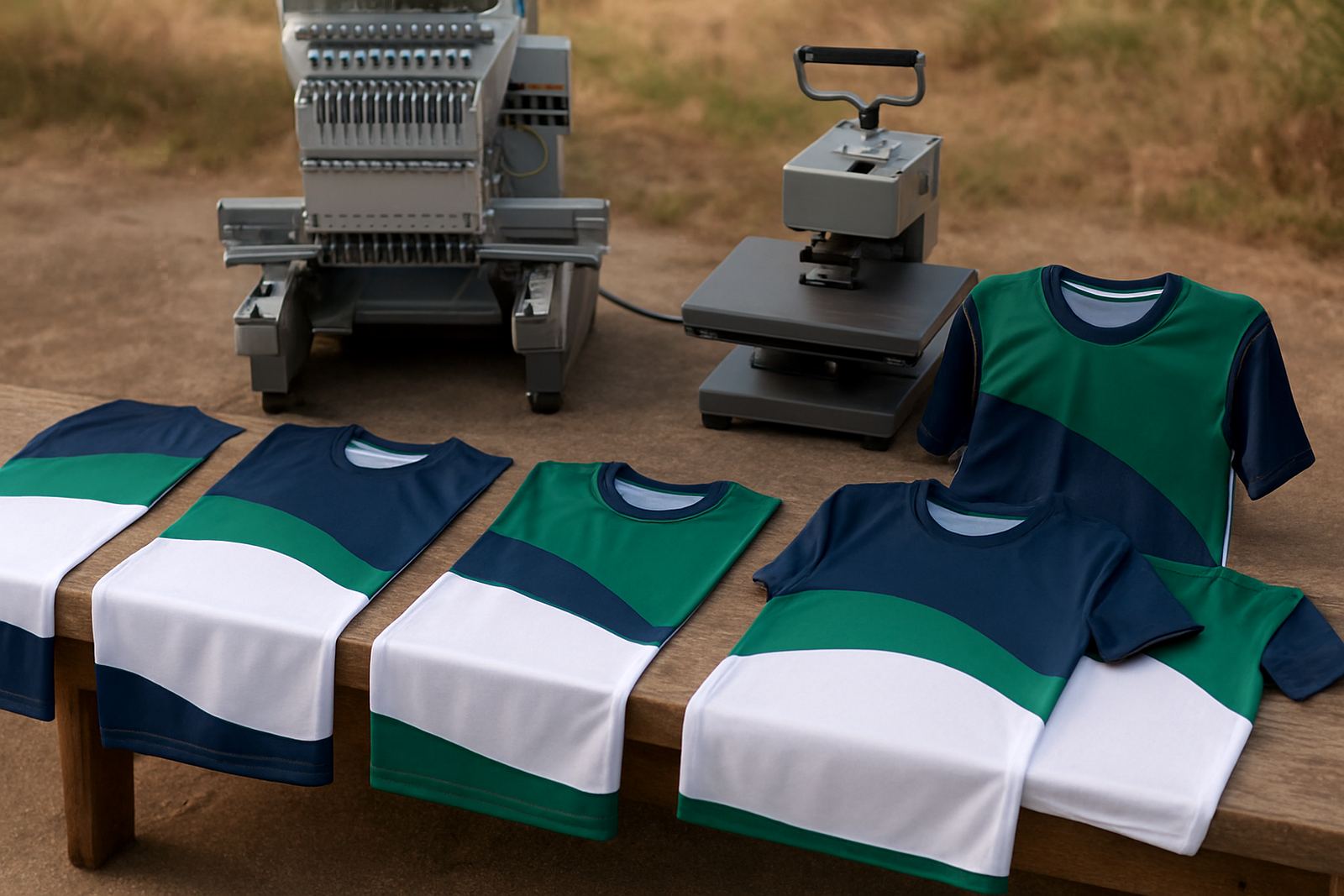
Not every branding method behaves the same way on every size. Embroidery sits differently on a small shirt than on a 5XL shirt, and screen printing needs enough flat area for the artwork to sit properly. Sublimation also needs consistent garment panels so the print layout lands correctly. When the size run changes, the artwork placement should be reviewed too.
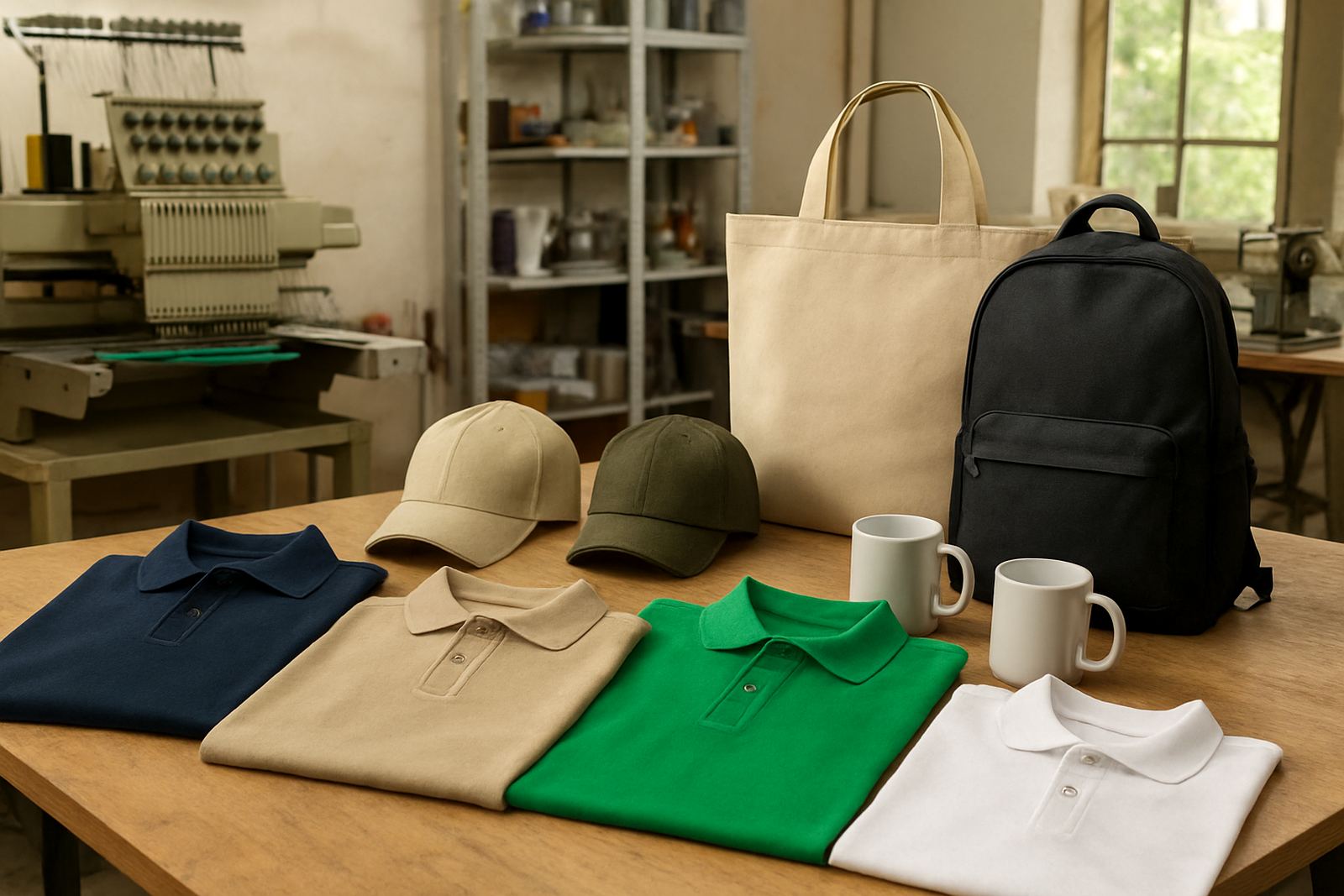
If your order includes caps, bags or promotional gifts, size planning shifts from body measurements to item dimensions. A cap must suit different head sizes and bag straps should match how the item will be carried. For branded uniforms, ask for mock-ups and approvals before the full order is released. That avoids costly rework later on.
- Check logo size against garment size range
- Confirm placement for chest, sleeve, back and cap fronts
- Review stitch density on thinner fabrics
- Approve one sample before full production where possible
Plan for shortages, extras and late changes
Even well planned orders can change. New staff arrive, a department grows, or a school team needs more sizes than expected. Keep a sensible overage on common sizes and avoid cutting the order too fine. In Mbombela and surrounding towns, it is better to hold a few extras than to stop production because one size ran short.
Late changes should be handled before the cutting, embroidery or print stage begins. Once branding starts, changes affect both cost and turnaround time. If the order is for a corporate event or school function, set an approval deadline and stick to it. That gives enough time for production, packing and collection or dispatch.
- Add a small buffer to fast-moving sizes
- Keep a record of substitutions and late joins
- Lock final quantities before production starts
- Separate urgent re-orders from the main batch
Use a simple checklist before sign-off
A clean sign-off process keeps the size run accurate and the order moving. Before release, confirm the garment style, fabric, colour, branding positions and quantity by size. Then check the packing plan so each department or school group receives the correct split. This is especially useful for bulk orders going to several branches across White River, Hazyview, Malelane, Barberton and nearby areas.
Once the order is confirmed, make sure the receiving person knows how the stock will be handed out. If sizes are packed by name, department or class, the labels must match the final list. That saves time on site and reduces exchanges after delivery.
- Final garment style and colour confirmed
- Size split signed off by the client
- Branding method and artwork approved
- Packing instructions issued clearly
- Collection or delivery details confirmed