
Start With Who Will Wear It and How Often
Before you choose any garment, think about the people wearing it and the pace of their day. Learners need comfort for classroom hours, assembly, sport and travel. Staff need clothing that presents well at parents evenings, excursions and on-site duties. Teams and clubs need items that hold their shape and stay clear to read from a distance.
In the Lowveld, heat and humidity matter. Cotton rich fabrics feel comfortable, while blends can dry faster after washing. For schools in Mbombela, White River, Hazyview, Malelane and Barberton, it helps to choose fabric that handles frequent laundering and still keeps colour well. If the garment will be worn outdoors, ask for a weight and weave that suits the season, not just the price.
Choose Fabric That Matches Local Conditions
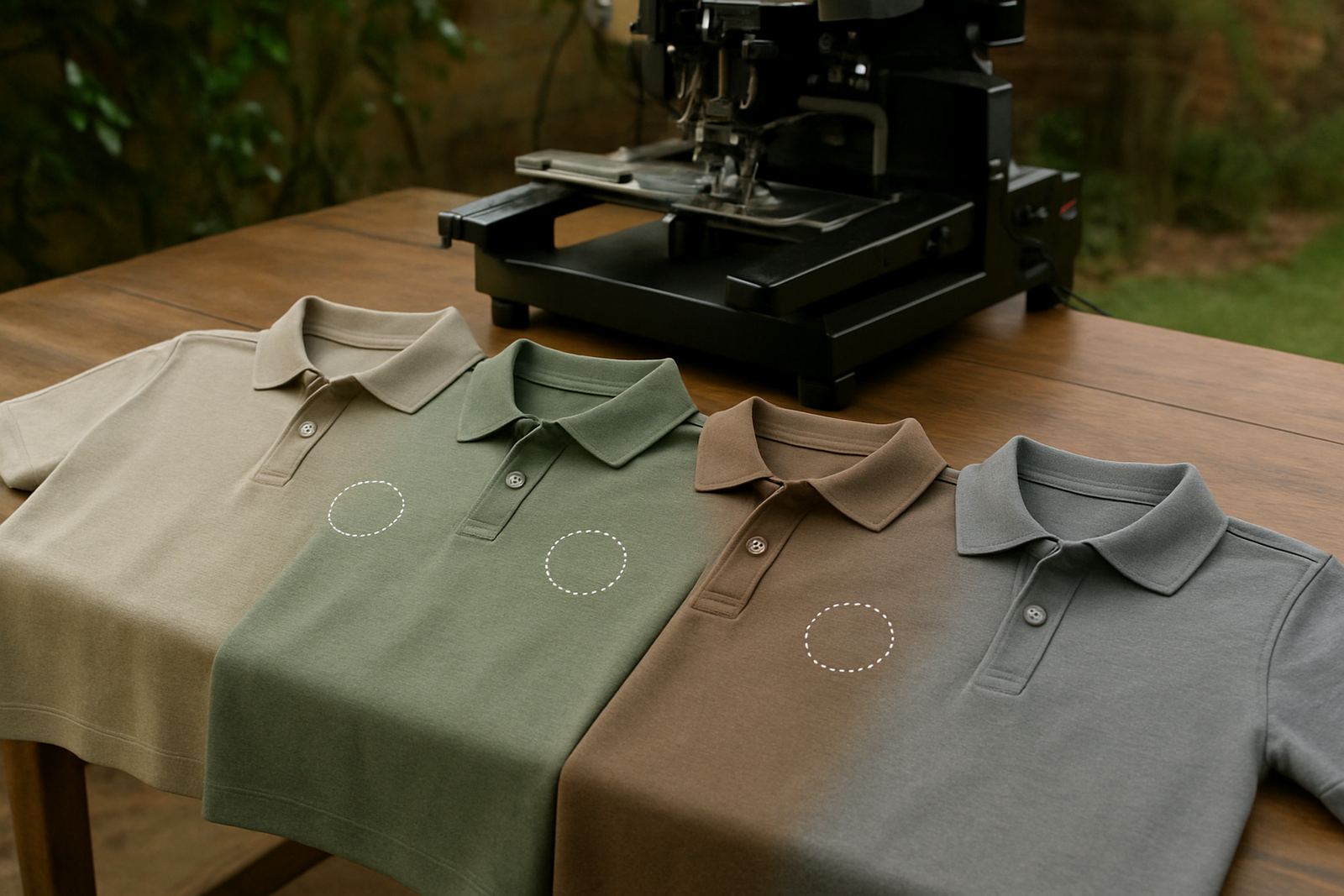
Fabric choice affects comfort, durability and how the branding will sit on the garment. For everyday schoolwear, ask for a material that is easy to wash, not too heavy and suitable for ironing if needed. For sports and activity wear, breathable synthetics or moisture friendly blends are often better. For formal staff wear, a neater finish with a smoother surface can give a cleaner result for embroidery or print.
Coastal humidity is not the only issue. Inland heat, dust and frequent use can be hard on collars, seams and trims too. A good rule is to request a sample or swatch before ordering in bulk. That way you can feel the fabric, check the stretch and see how it behaves in natural light, not just in a catalogue picture.
- Check the fabric weight for the age group and season.
- Ask how well it washes and whether it shrinks.
- Confirm if it takes embroidery, screen print or sublimation best.
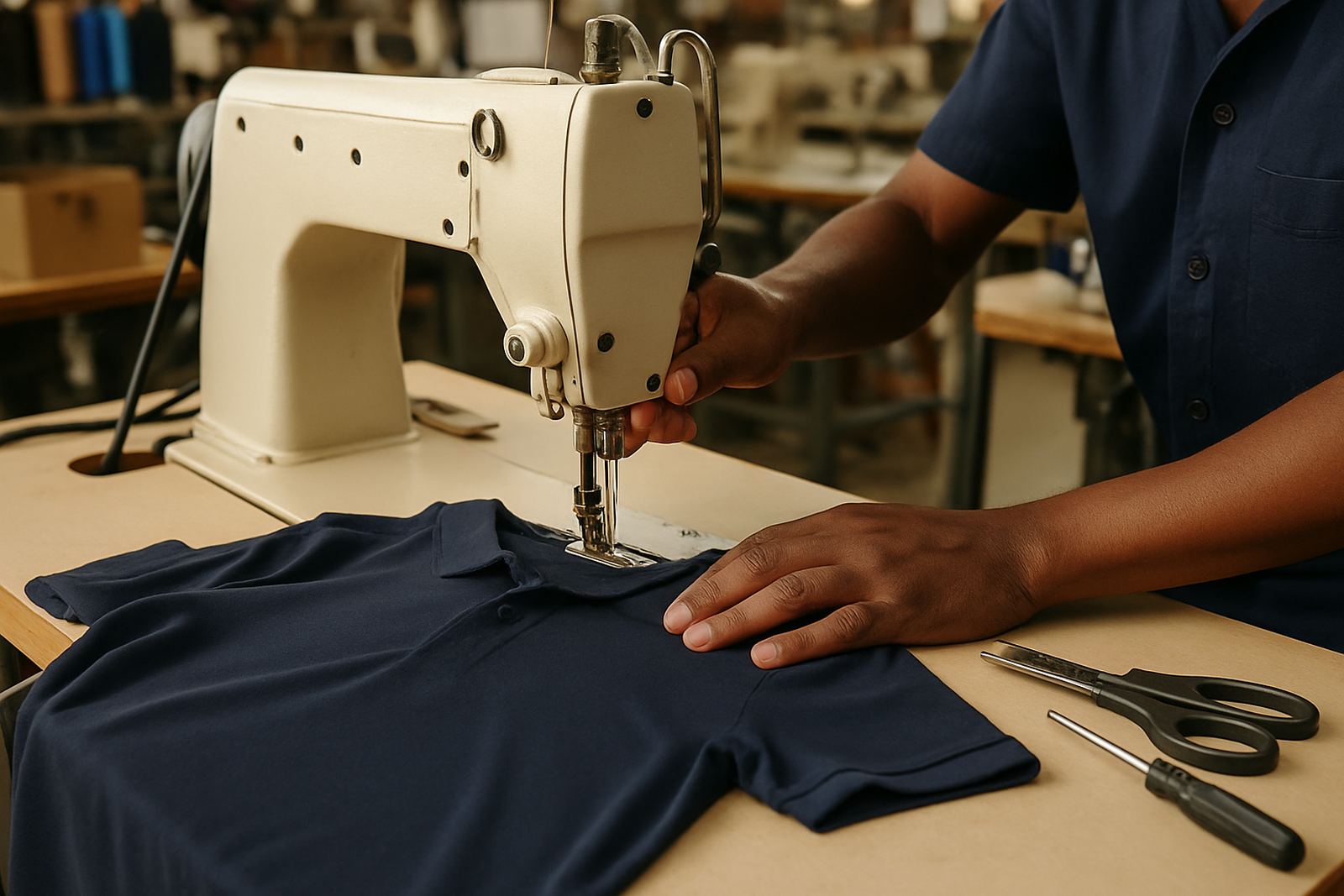
- Look at collar shape, cuff finish and stitching strength.
Get the Fit Right for Learners and Staff
Fit is one of the easiest things to get wrong on a bulk order. If a garment is too tight, learners feel uncomfortable and staff will not wear it often. If it is too loose, it can look untidy and wear out faster at stress points. Build in room for growth on learner sizes, especially for primary school orders and mid year intake.
Use a size chart and, where possible, fit samples on a few people before confirming the full order. If your group includes children, teens and adults, do not assume one size pattern will suit all. Sleeve length, shoulder width and shirt length matter just as much as chest size. For schoolwear, a little extra room can save a lot of returns later.
- Measure chest, shoulder and length, not just one number.
- Allow growth room for learners without making the garment baggy.
- Check that cuffs, hems and waistbands stay comfortable after washing.
- Keep one size set aside for replacements through the year.
Match the Branding Method to the Garment
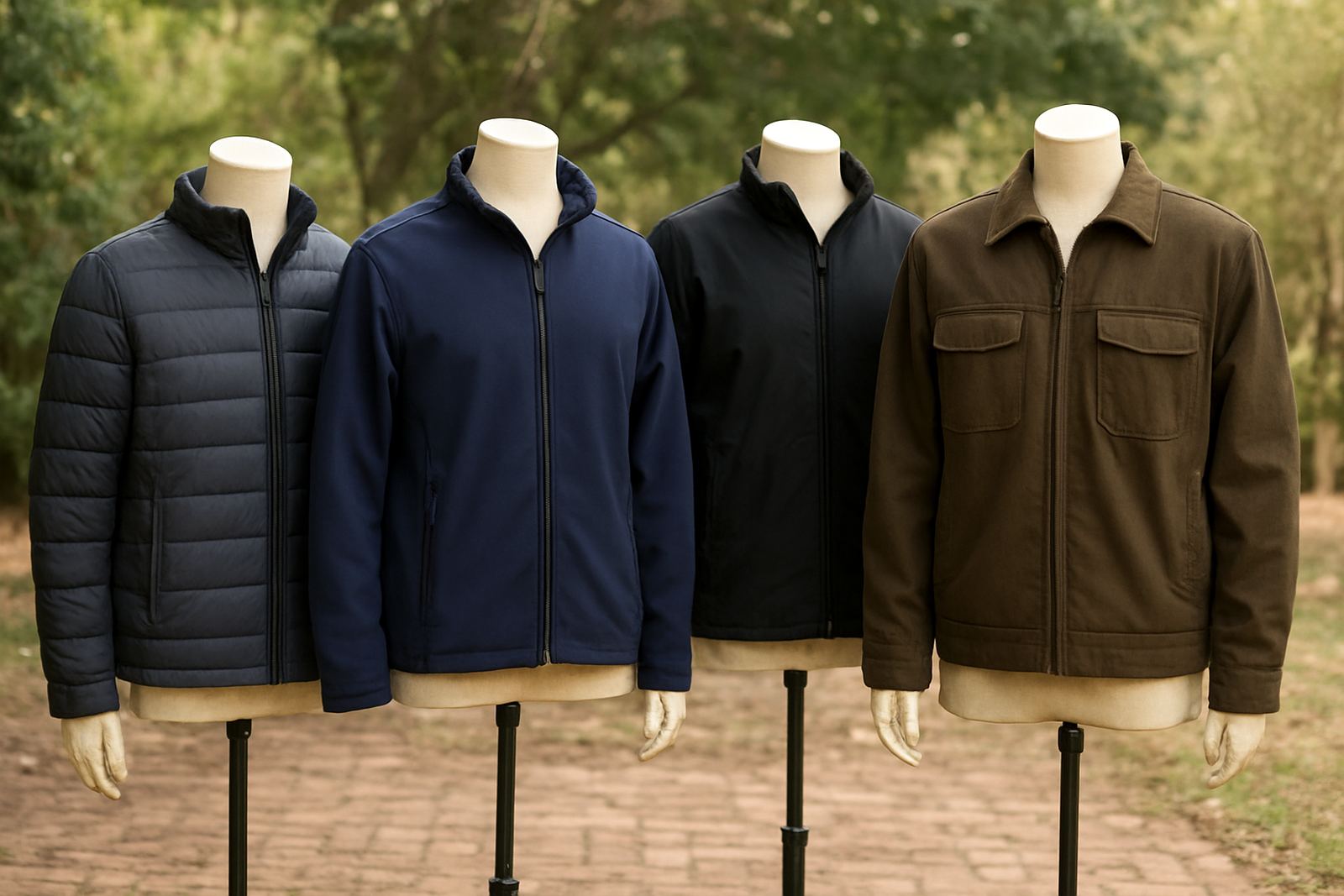
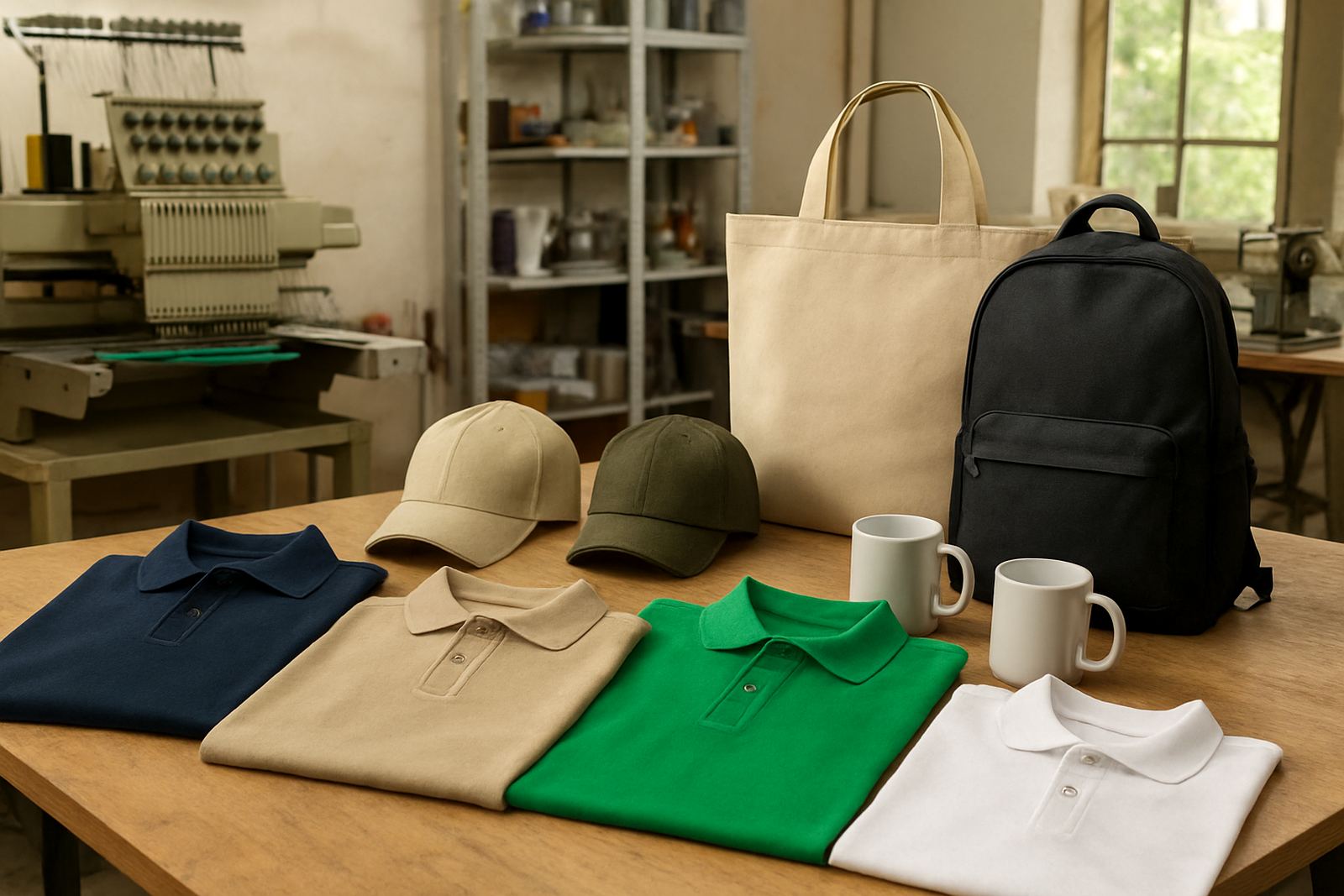
Not every garment should be branded the same way. Embroidery is often best for shirts, golf shirts, caps and jackets where a neat raised finish is wanted. Screen printing can suit larger logos, event wear and items with a flatter surface. Sublimation works well where the whole garment or panel design needs bright colour and fine detail.
Think about what the item will go through. A cap for daily school use needs branding that can handle sun, sweat and repeated wear. A bag may need a mark that stays visible even when the item is packed full. For schoolwear and staff clothing, we often guide clients on the safest position for a logo so it does not interfere with pockets, seams or buttons.
If the logo has fine text, thin lines or a small crest, digitising must be done carefully so the detail stays clear. A clean setup saves time later and gives a better finish on every unit.
Use Mock-Ups Before You Commit
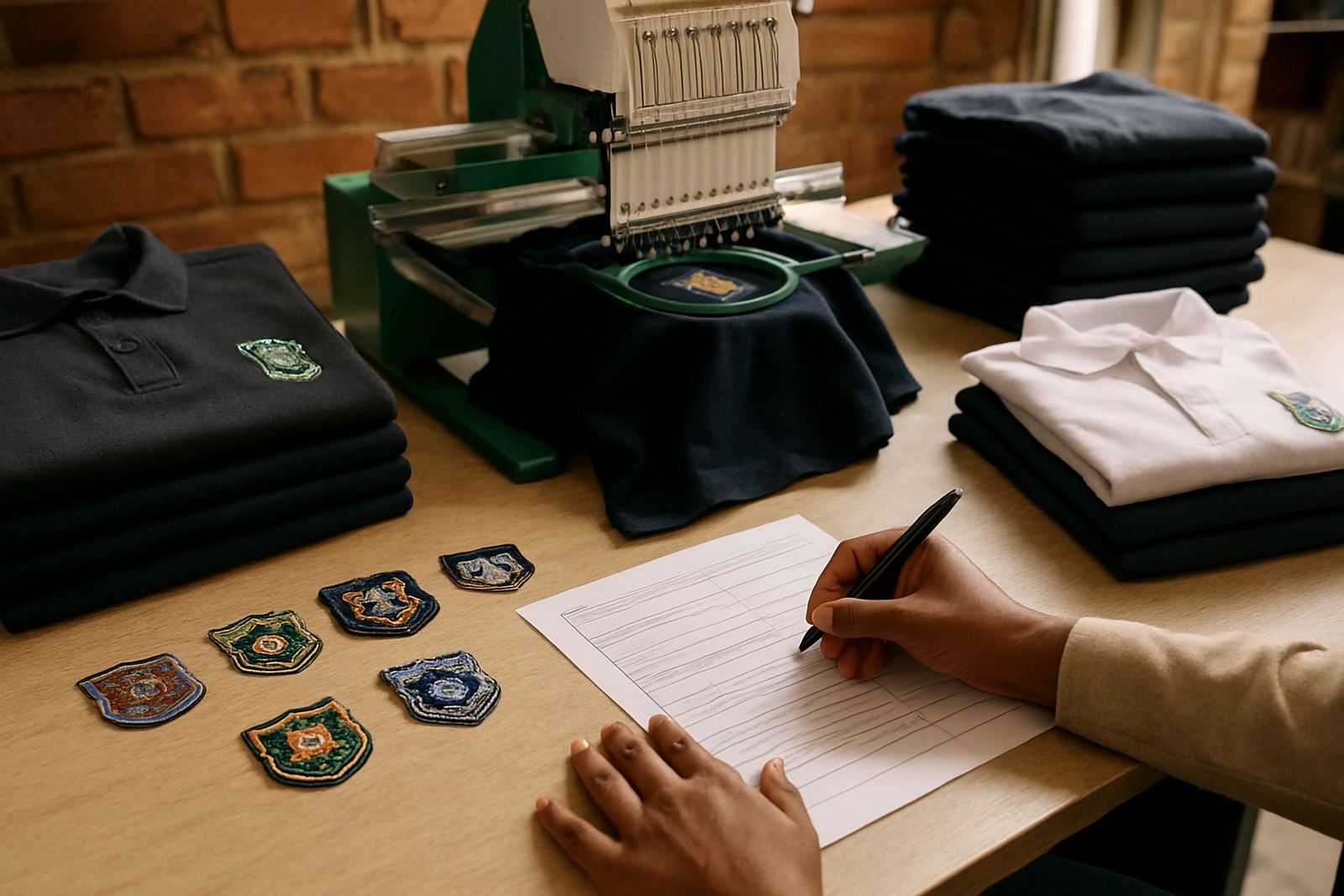
Once you have the garment style and branding method, ask for a mock-up and approval step. This helps you check logo size, placement, colours and spelling before production starts. It also gives school committees, buyers and team organisers one clear version to sign off.
For orders with multiple items, the mock-up should show each garment separately, especially if you are mixing shirts, caps, bags and gifts. If the same logo appears on different fabrics, it may need small adjustments so it looks balanced on every item. A quick approval now can prevent rework later and keeps the order moving without delays.
- Confirm logo placement on each item.
- Check spelling, initials and learner names carefully.
- Approve colours against the fabric, not only on screen.
- Make sure all decision makers have seen the final version.
Plan the Order Around Dates, Budgets and Extras
Schoolwear orders work best when the timeline is clear from the start. If you need garments for opening day, sports day, prize giving or a staff event, build in time for sizing, branding and packing. Bulk orders also benefit from a simple item list with quantities per size so there is less room for mistakes.
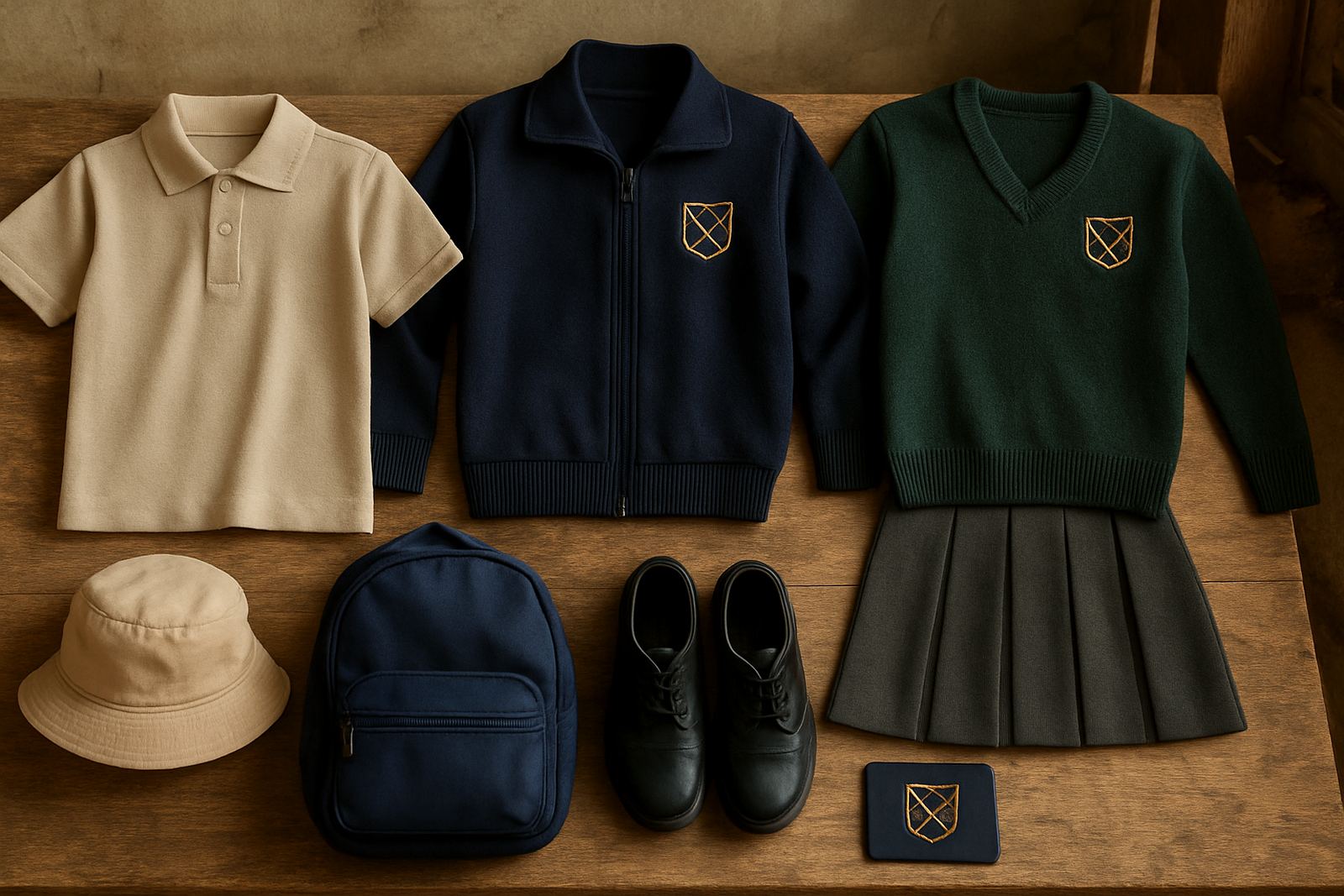
Budget wise, it helps to separate essentials from nice to have extras. Start with the core garments, then add caps, bags or gifts if the budget allows. For schools and businesses in Mbombela and surrounding areas, a single order can often cover learner wear, staff wear and promotional items, which makes it easier to keep branding consistent across the board. If you need name personalisation, allow extra time for that stage too.
We also recommend thinking about packing and distribution. When garments are sorted by size, class, team or department, handing them out is much simpler. It saves time at the office and reduces confusion on collection day.
Final Checklist Before You Place the Order
A careful final check helps avoid returns and delays. Before you confirm, go through the list below and make sure every detail is in place. It is a small step but it makes a big difference once production starts.
- Garment type suits the wearer and the season.
- Fabric feels right for heat, washing and daily use.
- Sizes have been checked against real people or samples.
- Logo artwork is correct and ready for digitising if needed.
- Branding method matches the garment and budget.
- Names, initials and spelling are approved.
- Quantities are counted by size and item type.
- Delivery timing fits your school or event schedule.
With the right choices at the start, schoolwear can be practical, presentable and long lasting. That is what matters when garments need to work hard week after week, in class, on the field and on the road.