Start with how the cap will be used
If the cap is for site crews, school events, giveaways or front-of-house staff, the first question is always the same: what must it do? A cap for daily wear needs comfort and good shade. A cap for a one-day promotion may need a lower cost and a strong visual hit. A cap for corporate staff has to sit neatly with the rest of the uniform and carry embroidery cleanly.
In Mbombela and surrounding towns like White River, Hazyview and Malelane, the weather matters as much as the branding. The Lowveld sun is strong, and after a hot morning on the road or at a school sports day, people want something light, breathable and easy to adjust. For some jobs, a heavier cap is fine. For others, a softer and cooler option makes more sense.
- For daily workwear, choose comfort, shade and durability first.
- For promotions, choose colour contrast and a clear branding area.
- For schools, choose a style that is neat, practical and easy to repeat in bulk.
Peak shape changes the look more than people expect
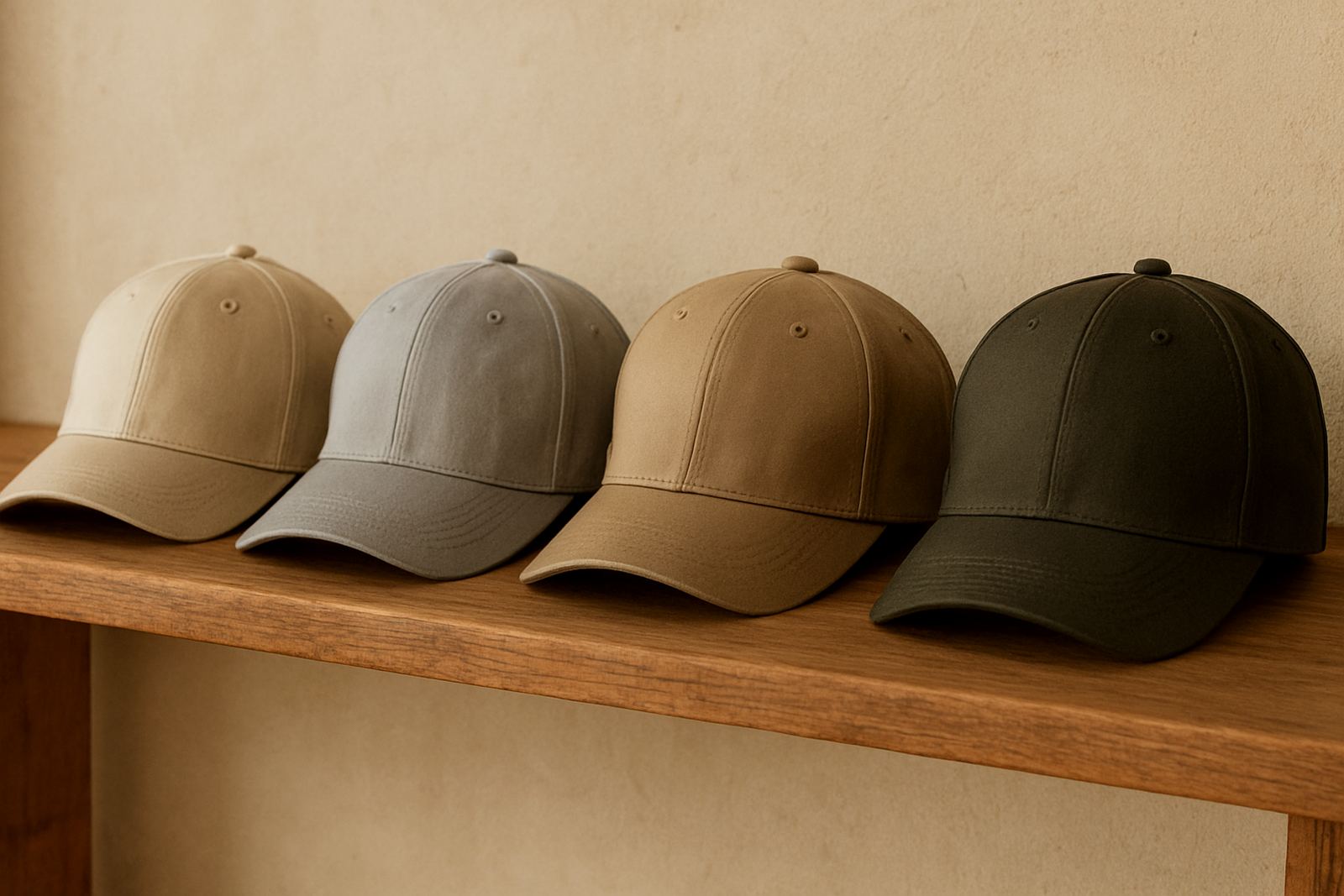
The peak is one of the quickest ways to change the character of a cap. A curved peak feels familiar and suits most corporate and school uses. It sits well with embroidered logos and gives a more traditional finish. A flat peak is sharper in appearance and often chosen when the cap needs a modern look or a stronger fashion feel.
For practical workwear, a curved peak usually wins because it shades the face and looks tidy from all angles. Flat peaks can still work for branded clothing ranges, but they are not always the best fit for every uniform. If the logo is detailed, the peak style also affects how much attention the cap gives to the embroidery.
- Curved peaks suit schools, teams and general corporate wear.
- Flat peaks are better when the brief calls for a more contemporary look.
- A deeper peak can improve shade for outdoor use in full sun.
Panel structure affects fit and branding space
Most caps are made with five or six panels, and that difference changes both the shape and the branding area. A five-panel cap usually has a flatter front panel, which gives more space for larger logos or bold wording. A six-panel cap has a more rounded front and often feels closer to a classic sports cap.
When a logo has fine detail, panel structure matters. A cleaner front panel can help embroidery sit better, especially when the design must be neat at small size. If the cap will be screen printed or used for a sublimated style, panel layout still affects how the artwork sits and how visible the branding will be from a distance.
- Five-panel caps often give a larger, cleaner front area.
- Six-panel caps usually offer a more traditional fit and shape.
- Check whether the front panel is structured or soft before choosing the artwork size.
Choose the right closure for the people who will wear it
A cap only works if people are happy to wear it. That means the closure matters. Adjustable closures are useful for mixed teams, school groups and promotional runs because one size can cover many heads. Fitted caps are neater in some ranges, but they need more careful sizing and are less forgiving when ordering for a group.
For company staff in Mbombela, White River or Barberton, adjustable caps often make life easier during bulk orders. They also help when teams include seasonal workers or a mix of adult sizes. If the cap is for a school or event, an adjustable back reduces the risk of returns and keeps the order more practical.
- Adjustable closures are best for bulk orders with mixed wearers.
- Fitted styles can work well when sizes are already known.
- Check comfort at the back of the head, especially for all-day wear.
Embroidery, printing or both: match the method to the style
Not every cap takes branding in the same way. Embroidery is the most common choice for caps because it lasts well and has a clean raised finish. It suits company logos, school crests and simple wording. Screen printing can work on some cap styles, while sublimation is usually better on specific cap materials and panels that are made for it.
The best result comes from matching the decoration method to the cap itself. A thick structured front panel can take embroidery nicely. A lighter promotional cap may suit a simpler printed mark if the brief is about numbers, not long-term wear. For lowveld businesses, this decision also affects comfort in heat. Overly heavy branding on a light cap can make it feel stiff.
- Embroidery is ideal for long-lasting corporate and school branding.
- Printing is useful for certain promo caps and bold short runs.
- Material and panel structure must suit the decoration method.
A practical Lowveld example from order to approval
Say a White River company wants caps for field staff, sales reps and an open day. The team needs something that looks professional, handles daily wear and can be packed into a bulk order without fuss. In that case, a curved peak, structured front, adjustable back and embroidered logo would be a sensible starting point.
If the same client also wants caps for a school outreach event in Hazyview, the brief may shift. A lighter cap with a strong colour block and simpler branding might be better for hot weather and quick identification. At CK Embroideries, the process usually starts with the logo being prepared for production, then a mock-up is shared for approval before the full run goes ahead. That keeps the order clear and avoids mistakes when styles, sizes or colours need to match across more than one group.
- Use the same logo carefully across different cap styles if the wearer groups differ.
- Approve the mock-up before bulk production starts.
- For mixed orders, keep the style consistent where possible and vary only what is necessary.