Why approval matters more than people think
Most production problems do not begin on the machine, they begin with a small detail that was missed earlier. A name spelled the wrong way, a logo placed too low, or a size marked without checking the actual garment can turn a simple order into a costly rework. That is why approvals before production are not a formality. They are part of getting the job right first time.
For businesses and schools in Mbombela and the Lowveld, this matters even more because orders are often time sensitive. Uniforms may be needed for a new term, a sports day, a trade event in White River, or a staff issue date in Malelane. If artwork is approved properly, the team can move straight into production without holding the order up for corrections.
What should be checked before we start
Approval is not only about saying yes to the design. It is about confirming the full specification so the finished item matches what was requested. We always recommend checking the wording, garment colour, logo size, position and quantity before production starts.
- Spelling of names, initials and slogans
- Logo size in millimetres or centimetres, not just by eye
- Placement on chest, back, sleeve, cap front or bag panel
- Thread colour, print colour and garment colour combination
- Sizes and quantities for each person or department
- Any special notes such as urgent dates, school house names, or staff titles
If the job includes personalisation, each name must be checked line by line. Even a small mistake can mean one shirt being unusable. In a bulk order that quickly becomes expensive.
Mock-ups help you see the job before it runs
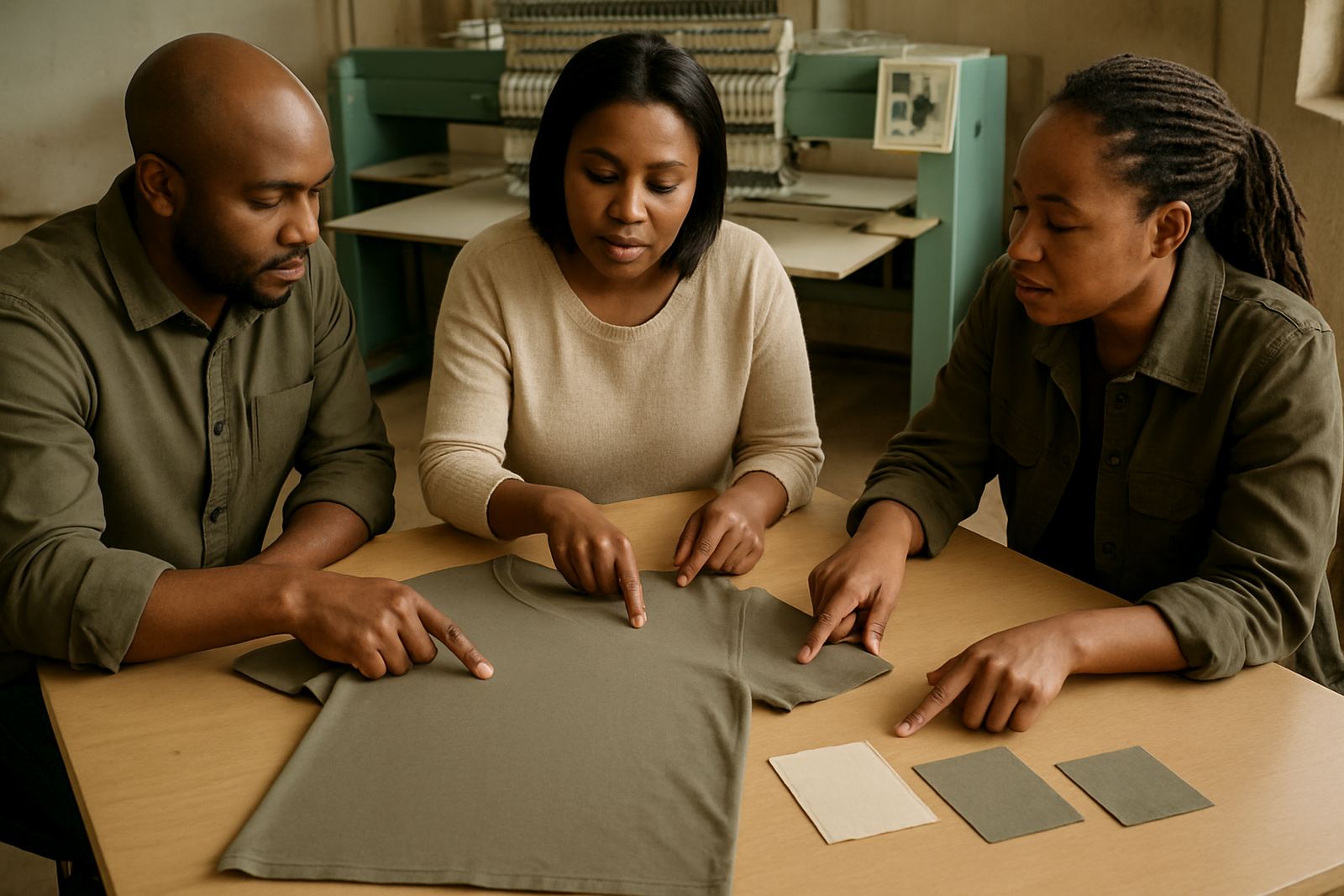
A mock-up is a simple but important control step. It shows how the logo or wording will look on the actual item, not just on paper. That helps with deciding whether the placement is too high, too small, or too close to a seam, zip or pocket.
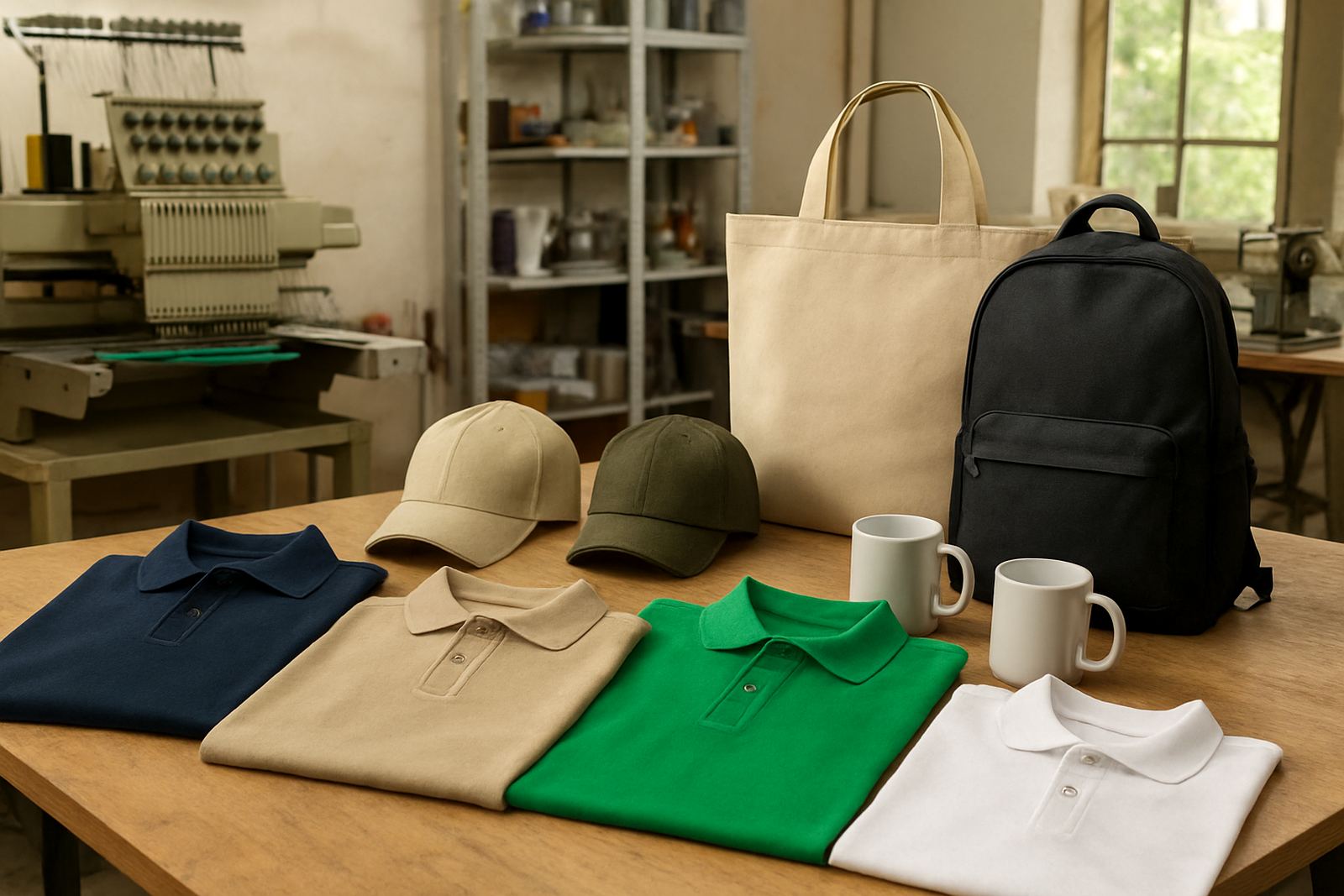
For corporate wear and schoolwear, mock-ups are useful because they reduce guesswork. A chest logo that looks fine on a large polo may look cramped on a smaller size. On caps, the curve of the front panel affects how a design sits. On bags, handle positions and seams can interfere with the print area. Reviewing the mock-up gives you time to adjust these details before production begins.
It is much easier to move a logo 15 mm on a mock-up than to stop a run after 40 items have already been embroidered or printed.
Small changes before production save real money
Once production starts, changes become expensive. Threads have been loaded, screens prepared, garments sorted and labour scheduled. If the wording changes at that point, the whole batch may need to be reworked. If the size changes, the setup may need to be redone as well. That is where a quick approval can save both cost and time.
This is especially important for schools and businesses ordering in larger quantities. A school in Hazyview may need branded golf shirts for staff and caps for learners attending an event. If the size list is not confirmed beforehand, the wrong mix of sizes can leave some people short and others with stock they cannot use. The same applies to company uniforms for a branch in Nelspruit Central, where several departments may need different name formats.
Approvals also help with budgeting. When the item, method and placement are confirmed early, there are fewer surprises later on.
Local orders need local practicality
The Lowveld has its own production realities. Heat, dust, frequent transport between towns and occasional load-shedding can all affect timing and handling. If an order is approved clearly, the production team can plan the sequence better and avoid unnecessary delays.
In Mbombela, many orders are collected for teams working across areas like White River, Kabokweni, Ngodwana and Barberton. Sometimes stock arrives in waves, with part of the order ready before the rest. A proper approval record helps everyone stay aligned on what was agreed, especially when different garments are being branded in the same job.
For items that will be worn outdoors or washed often, the approval stage is also where practical advice matters. A thin garment may not suit heavy embroidery. A fine logo may need enlarging for better visibility. A dark shirt may need a different print approach to hold colour properly. These are the kinds of decisions that are easier to make before production starts, not after.
What a good approval process should include
A sound approval process is simple, but it must be complete. It should protect both the client and the production team by making every important detail visible and signed off before work begins.
- Written confirmation of the wording and quantities
- Proof or mock-up showing placement and proportions
- Agreement on garment type, colour and size run
- Clear note of any personal names or individual numbering
- Final sign-off before digitising, printing or embroidery starts
When this is done properly, the order moves through production with fewer interruptions. The result is cleaner work, fewer corrections and a smoother handover.
The best orders are the ones that do not need fixing
Good approvals are not about slowing the process down. They are about making the process work. A few minutes spent checking details can prevent hours of rework and wasted stock. That matters whether you are ordering schoolwear branding, caps for a staff launch, or corporate gifts for a year end function.
At CK Embroideries, approvals before production are part of how we keep orders accurate for clients across Mbombela and the Lowveld. When the brief is clear and the proof is signed off, production can move ahead with confidence. And that is what most people want in the end: the right item, in the right size, with the right name on it, ready on time.
If the details are right at the start, the finished product has a better chance of being right too.