
Choose the number size that suits the garment
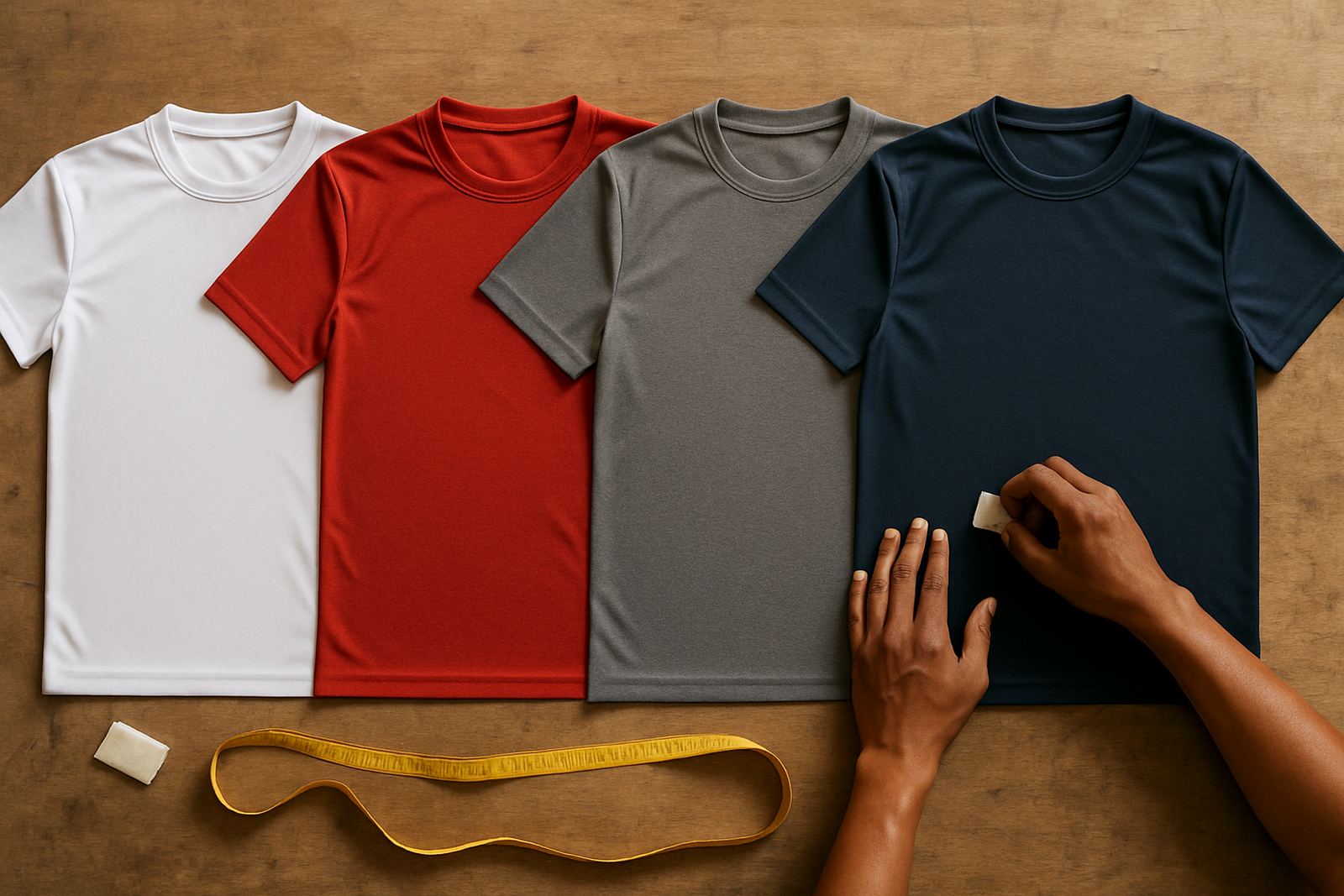
Number size should match the garment, the age group, and how far away the number must be read. For smaller youth shirts, a number between 150 mm and 200 mm usually works well on the back. For older players and adult teamwear, 200 mm to 250 mm is often the better fit because it gives clear visibility without looking crowded.
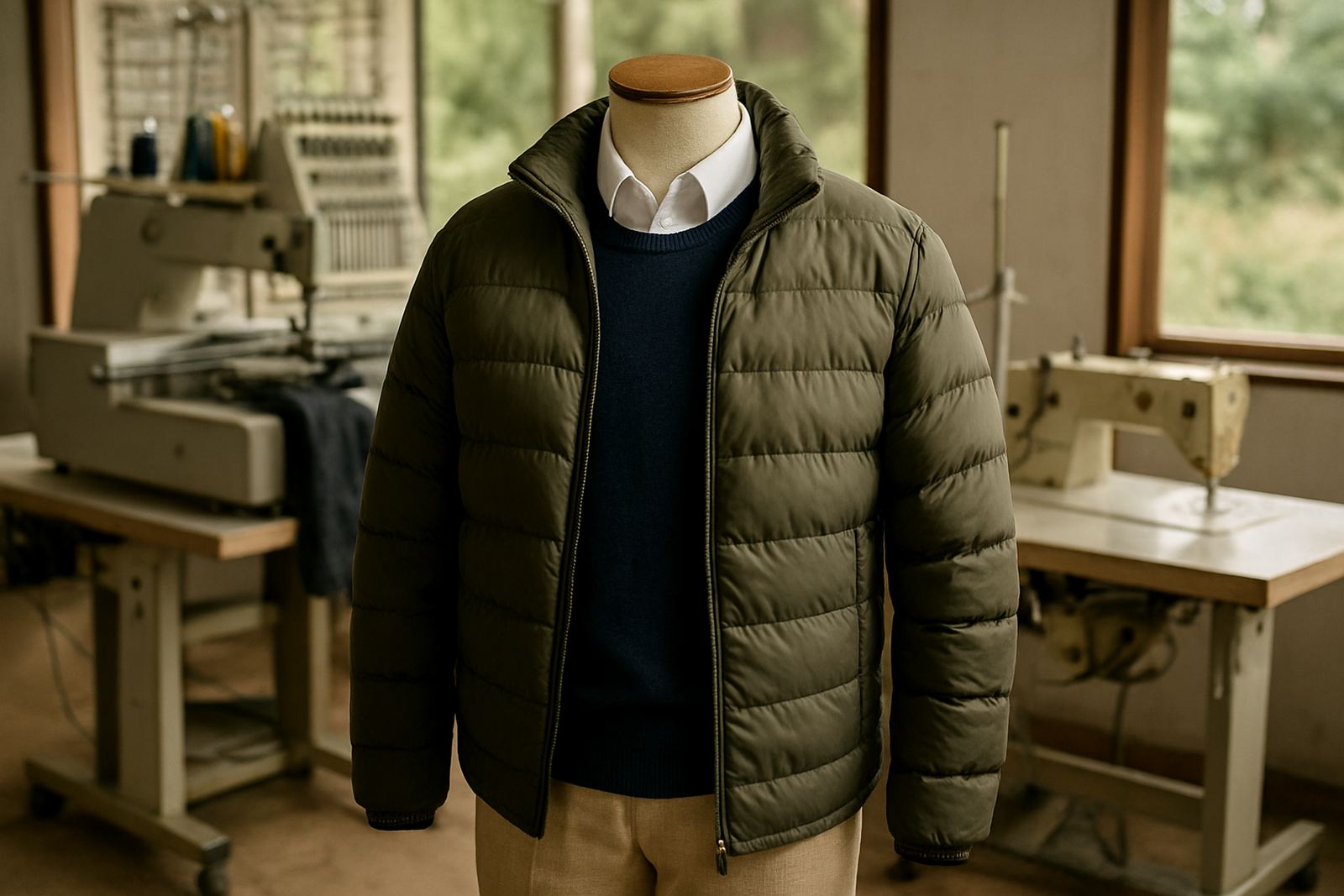
For shorts and skirts, smaller numbers around 50 mm to 80 mm are common. These are useful when the team rules require a second number on the lower garment, or when the coach wants quick sorting during training. On jackets and tracksuit tops, a 80 mm to 120 mm number is often more practical, especially where the front space is limited by zips, pockets or panels.
In Mbombela and surrounding areas, we often help schools and clubs choose the size based on the kit fabric too. Thin training fabric can show stitching marks more easily, while heavier cotton blends take embroidery better. If the garment is likely to be washed often, a size that is clear but not oversized tends to last and still look tidy after many washes. The key is to balance visibility with the cut of the clothing, not just copy one size onto every item.
Front, back or sleeve placement: what works best
Most schools and clubs use a large number on the back and a smaller one on the front. This helps the coach, scorer, and parents identify players quickly from the stands. Some sports also allow a number on the sleeve, but this works best when the layout is simple and there is enough room for clean placement.
On football and netball tops, the back is usually the first choice because it gives the largest open area. For rugby, the back number should sit high enough to be seen above waist movement and kit bunching. On school wear, especially for house events or interschool days, a smaller front number can be enough when the goal is identification rather than competition marking.
We also look at seams, panels, and logo positions before setting out the number. A number placed too close to a seam can warp when the shirt stretches. A number set too low can get folded under a waistband or bib. It sounds small, but that detail makes a big difference when a full squad needs to look neat and consistent.
Numbering for schools, clubs and mixed-age teams
School kit and club kit do not always need the same approach. Younger learners often need bigger numbers for easy identification during transport, tournaments and house sports. Club sides may need numbers that follow league rules and stay consistent across shirts, training tops and warm-up gear. Mixed-age teams can be tricky, so it helps to decide on one numbering plan before orders are confirmed.
For school teams in White River, Hazyview and Barberton, we often see different needs for mini teams, senior teams and staff kit. A primary school may want larger back numbers for class races and sports day, while a high school may need matching numbers across rugby, soccer and athletics kit. For clubs in Malelane or Kabokweni, the focus is usually on clear match visibility and repeat ordering, so the number style should be easy to maintain season after season.
If a team uses both embroidery and print on the same garment, the number should be planned with the rest of the branding in mind. Too many elements on one shirt can make it hard to read. A good layout leaves enough breathing room, and the end result is much cleaner. We see it often: simple placement almost always looks better than cramming everything onto one panel.
Print, embroidery or applied numbers: when to use each one
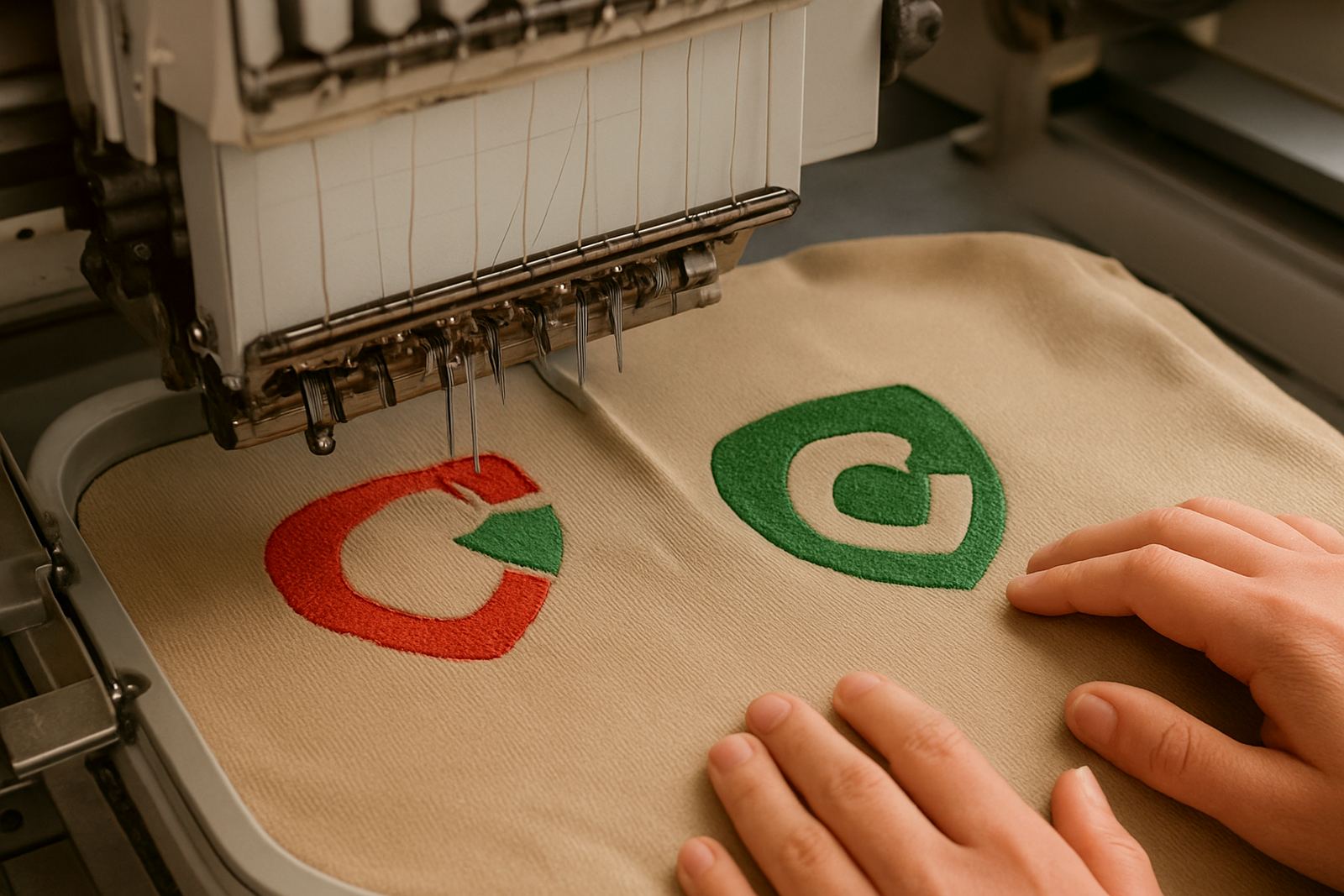
Different number methods suit different garments. Screen printing is a strong choice for smooth teamwear, especially when there are many shirts in one order. Sublimated numbers work well on sublimated garments because the finish becomes part of the fabric and stays light on the body. Embroidery gives a more textured look and suits certain jackets, caps and heavier items where a raised finish is acceptable.
For school tracksuits and corporate-style team jackets, embroidery is often preferred on the chest or back yoke, while printed numbers may suit the main body panel. On lightweight soccer kits, a printed or sublimated number keeps the shirt comfortable and avoids extra weight. If the garment has stretch fabric, we check the construction carefully so the number does not crack, pucker or distort after washing. Coastal humidity can also affect drying time, so practical material choice matters more than people think.
When a customer wants a small run, one-off names, or a replacement shirt, the most suitable method depends on how many items are needed and how quickly the order must move. A single missing jersey can still be sorted neatly if the numbering style is matched properly to the original set. That keeps the whole team looking uniform, even when only one item needs replacing.
What to send us before numbering starts
A clear order saves time and avoids mistakes. Before production starts, it helps to confirm the garment list, number sizes, positions, and whether the same number goes on every item or only on selected pieces. If names and squad numbers are changing, send the final list in one go so there is no confusion between the coach, school office, and parents.
We also recommend approving a mock-up before any large run. That way the placement can be checked against the exact shirt shape, sleeve length and logo position. A mock-up is especially useful for new teams, first-time school orders, and bulk club kit where one small issue can affect many items. A good approval step prevents rework and keeps the full order moving without delay.
For schools and businesses in Mbombela, Nelspruit Central, Ngodwana and nearby areas, it helps when one person signs off the final layout. Too many changes from different people can slow the order down. A single approved version keeps the process simple, and it also makes future repeat orders much easier. That is especially helpful when sports seasons start up quickly and there is no time to correct details later.
A practical Lowveld example for school and club kits
Take a school team in Mbombela preparing for a weekend tournament with shirts, shorts and warm-up tops. The shirts may need 200 mm back numbers, the shorts may need 60 mm side numbers, and the tracksuits may need a smaller 100 mm number on the upper back or chest. That gives the coaches enough visibility without making the kit look overcrowded.
For a club travelling from Hazyview to a match in Barberton, the same logic applies. The shirts need to read clearly from the sideline, the shorts should be easy to sort in the kit bag, and the jackets should carry a number that does not interfere with zips or pockets. Bulk orders also need neat packing so the right player gets the right size first time, which saves a lot of sorting on match morning.
With teamwear numbering, the best result is usually the simplest one. Good sizing, sensible placement, and the right method for the garment will give you kit that is practical, readable and presentable. When those pieces are handled properly, the team looks organised before the first whistle even blows.