Digitising is not tracing, it is planning for stitches
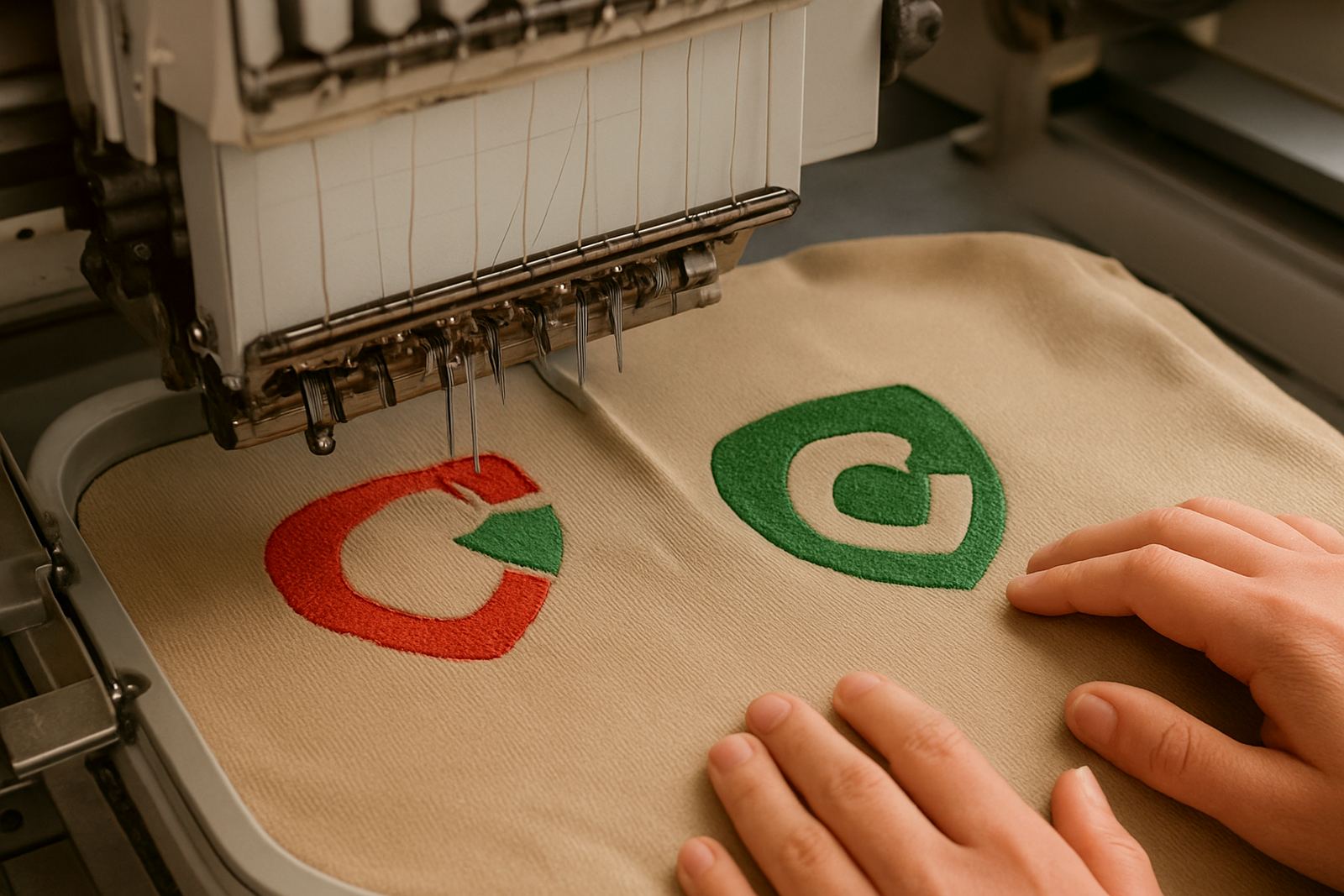
Many people think digitising is just turning a logo into a file. In practice, it is a technical process that decides how each part of a design will sew out on fabric. The digitiser sets stitch type, stitch direction, density, underlay, start and stop points, trims, and how the machine will move through the artwork. That is why two files made from the same logo can give very different results on shirts, caps, jackets, bags, and school wear.
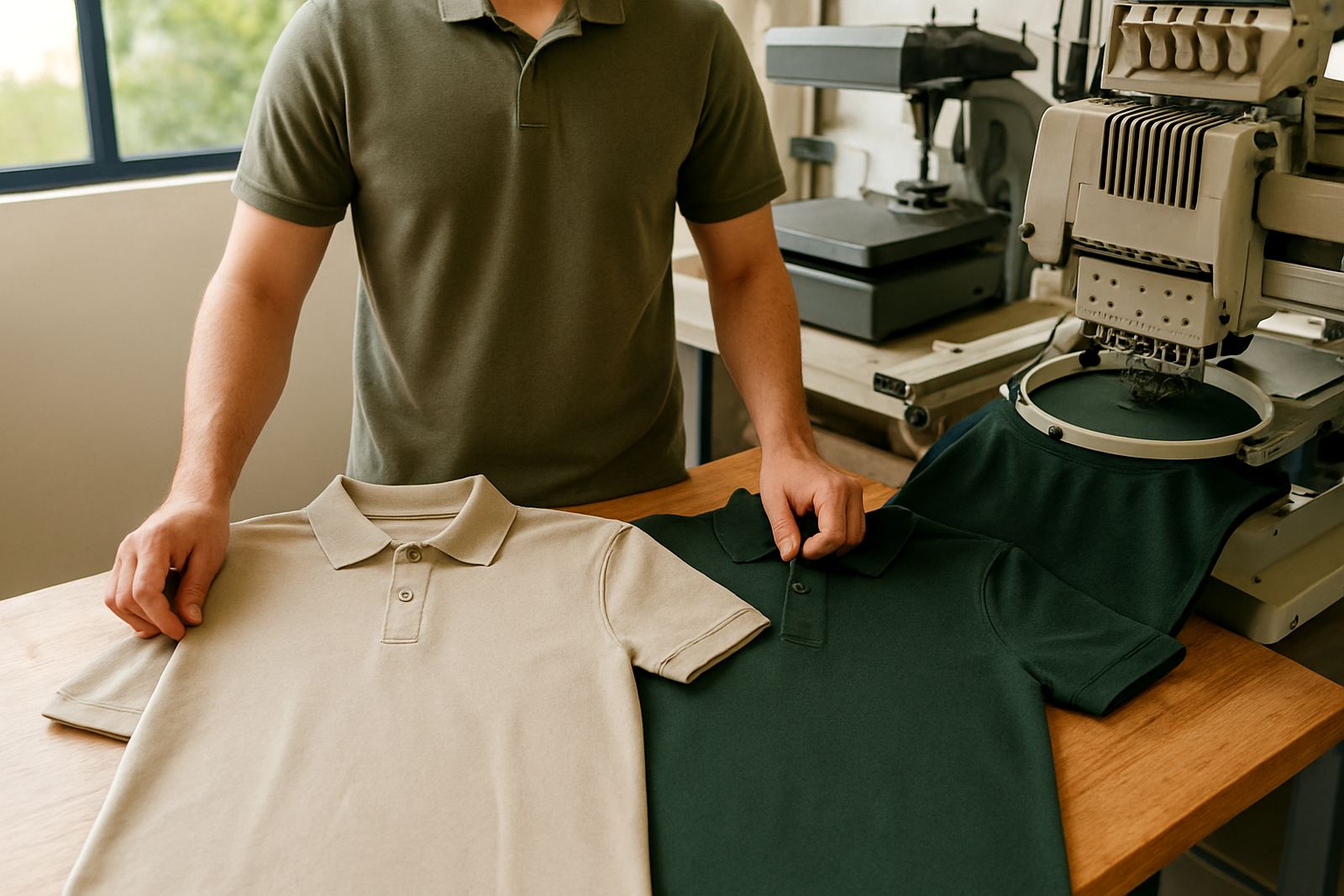
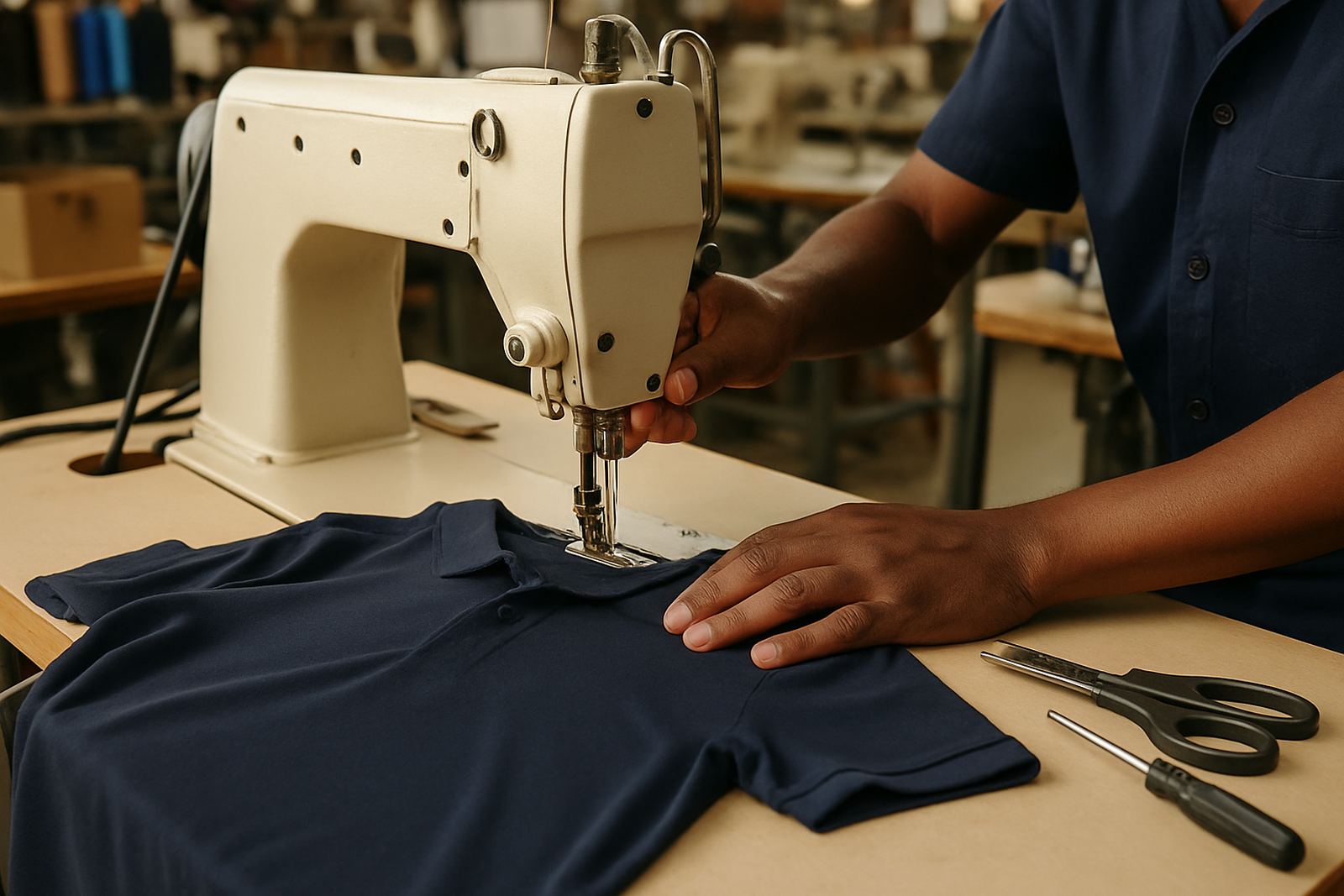
A good digitised file takes into account the real garment, not only the picture on a screen. A thick fleece sweater, a crisp golf shirt, and a curved cap panel all behave differently under the needle. If the file is not planned properly, you get puckering, broken thread, loose edges, or lettering that closes up. That means more rejects, more rework, and a slower job overall.
In our line of work, digitising is where quality begins. It helps the embroidery team sew at the right speed and keeps the finished piece looking neat after wash after wash.
What good digitising does for the finished garment
Good digitising gives the machine a clear route to follow. It helps the stitches lock neatly, keeps small text readable, and prevents heavy areas from becoming stiff or bulky. On corporate shirts, that means the logo sits flatter. On caps, it means the design curves properly instead of pulling awkwardly across the front panel. On bags, it helps the fabric stay stable while the needle moves through tougher layers.
It also helps production run faster. When a file is digitised well, the machine makes fewer unnecessary jumps, trims less, and wastes less thread. That matters when you are doing bulk orders for schools or businesses in the Lowveld and need consistent results across many items. A file that sews cleanly on the first run saves time on approvals and reduces the need to stop and reset the job.
- Cleaner edges on text and logos
- Less puckering on shirts and knitwear
- Better coverage on dark fabrics
- Fewer thread breaks during production
- More consistent results across large orders
Why one logo cannot be used the same way on every item
Not every garment takes embroidery in the same way. A simple logo may look fine on a chest pocket area, but the same file can fail on a cap or small sleeve mark. This is where proper digitising earns its place. The file can be adjusted for size, fabric type, and the amount of detail that will still read clearly once stitched.
For example, tiny lettering that works on a brochure might be too small for embroidery. Thin lines may disappear. Fine shading often needs to be simplified. A skilled digitiser will test the artwork and decide what needs to be changed so the stitched version stays true to the brand without forcing the machine to do something impractical. If a design is reduced too much, the result can look messy or blocked up.
That is also why approvals matter. A proper mock-up lets the client see how the artwork will sit on the garment before production starts, so changes can be made before anything is sewn. It is cheaper to adjust a file than to remake finished stock.
Local conditions in the Lowveld affect embroidery more than people think
Working in Mbombela and the surrounding areas means dealing with practical conditions that affect fabric and thread. Warm weather, dust, and humidity can all influence how garments behave in production and in wear. Schools in White River or Malelane may need durable branding on everyday uniforms, while businesses in Hazyview or Barberton may want clothing that holds up through field work, travel, and regular washing.
Load-shedding also changes the way jobs must be managed. Files that sew efficiently are a big advantage when production time has to be planned carefully around power interruptions. A well digitised file reduces stops and restarts, which helps keep the order moving. For bulk jobs, that can make a real difference to packing and dispatch schedules.
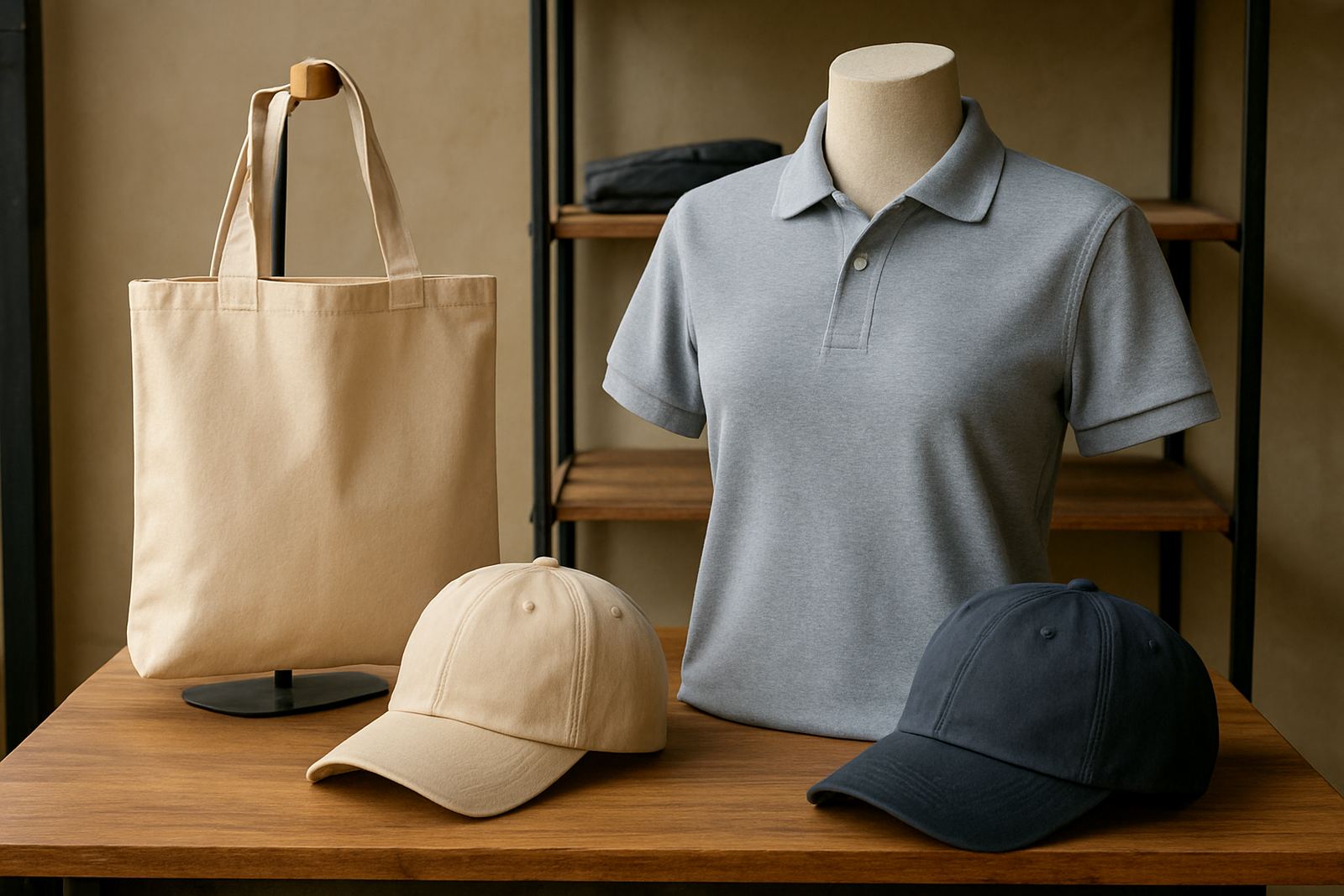
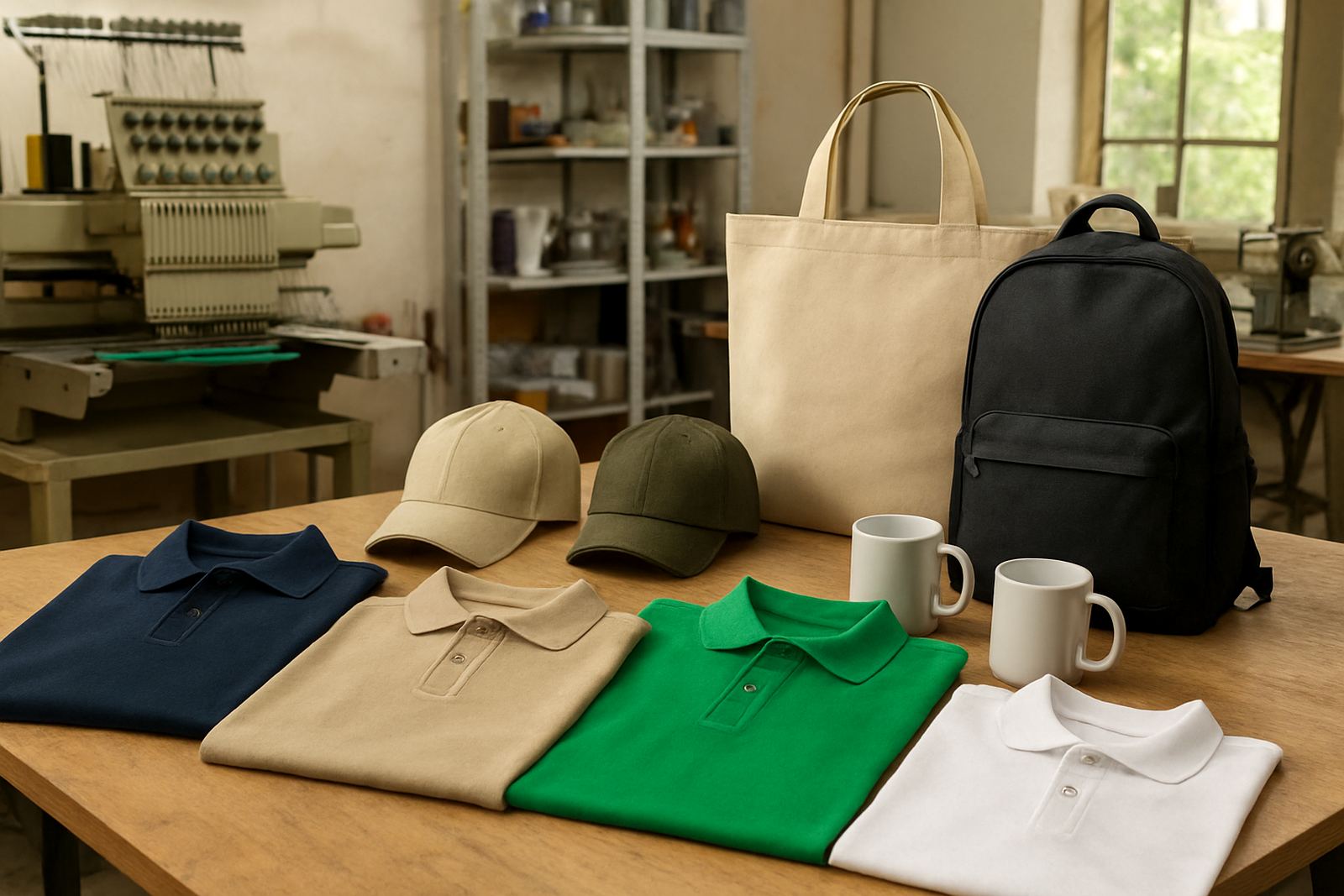
Across the Lowveld, customers often need embroidery on cotton, polycotton, fleece, golf shirts, caps, and promotional bags. Each fabric behaves differently, so the digitising has to suit the material as much as the logo itself. That is the part many people do not see, but it is what keeps the finished item neat and serviceable.
Common digitising mistakes that cost time and money
Most embroidery problems start before the sewing machine is switched on. A rushed file can look acceptable on screen and still fail on fabric. The most common issues are too much detail, stitch directions that fight the shape of the artwork, and densities that are too heavy for the material. When that happens, the garment can start to pucker or the thread may sit raised and untidy.
Another issue is ignoring the size at which the logo will be stitched. A design made for a large back panel may not work on a small cap front. The same is true for text. If the letters are too close together, the stitch fills can close the spaces and the name becomes hard to read. That is a frequent problem with school badges and small left-chest logos.
- Overly fine detail that will not hold in thread
- Incorrect density for the fabric weight
- Too many trims and jump stitches
- Poor balance between stitch direction and shape
- Artwork not adjusted for the final size
A file that avoids these issues gives the production team a better start and gives the customer a better finish.
How we handle digitising for businesses and schools
For a business or school, the aim is usually simple: keep the logo clear, make the clothing presentable, and get the order right the first time. That is why the digitising process should be treated as part of the order, not as an afterthought. Once the artwork is received, it needs to be assessed for stitchability, final size, fabric type, and the item it will be placed on. A cap file is not the same as a jacket file, and a school crest may need more simplification than a corporate logo.
At our Riverside base in Mbombela, the team works through digitising, approvals, production, and packing with the same practical aim: make the garment usable and neat in the real world. Christopher Khumalo oversees the business, while the production, digitising, print room, sales, and accounts teams each handle their part of the process. That structure helps when orders come in from places like Nelspruit Central, Kabokweni, Ngodwana, or further out in the Lowveld.
When digitising is done properly, embroidery becomes easier to repeat, easier to approve, and easier to deliver. That is why it matters. It is the difference between a logo that merely fits the garment and one that looks like it belongs there.
A good file gives the logo a better life on cloth
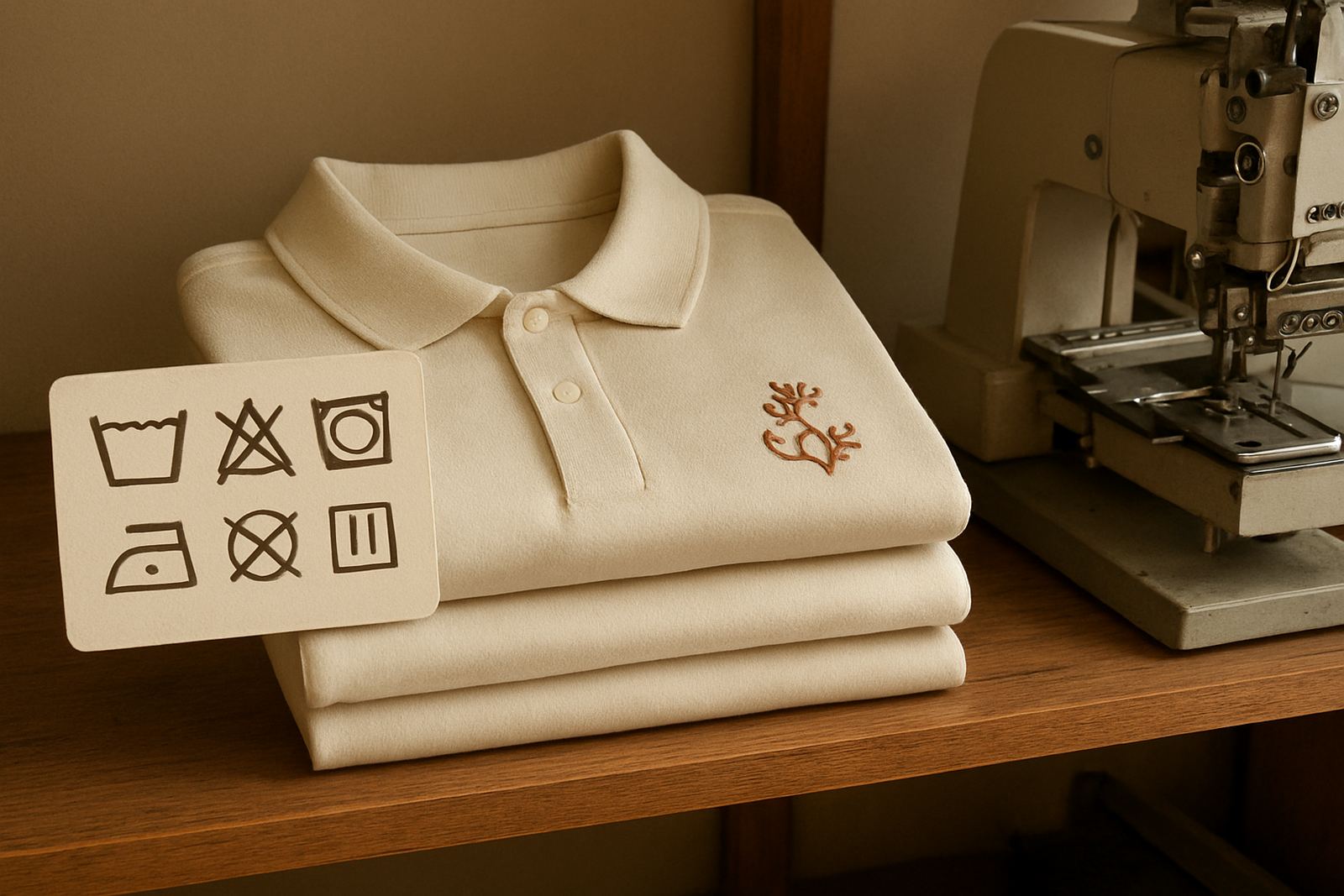
Embroidery is not only about appearance. It is about how a brand or school is represented every time the garment is worn. A properly digitised logo keeps its shape, reads clearly from a distance, and holds up through everyday use. That is especially important on workwear and school clothing, where the item has to be practical as well as neat.
For customers across Mbombela, White River, Hazyview, Malelane, and Barberton, the value of digitising is simple: fewer problems, better stitching, and a result that matches the purpose of the garment. If the file is handled properly at the start, the rest of the order has a much better chance of going right.