Why fleece needs a different embroidery approach
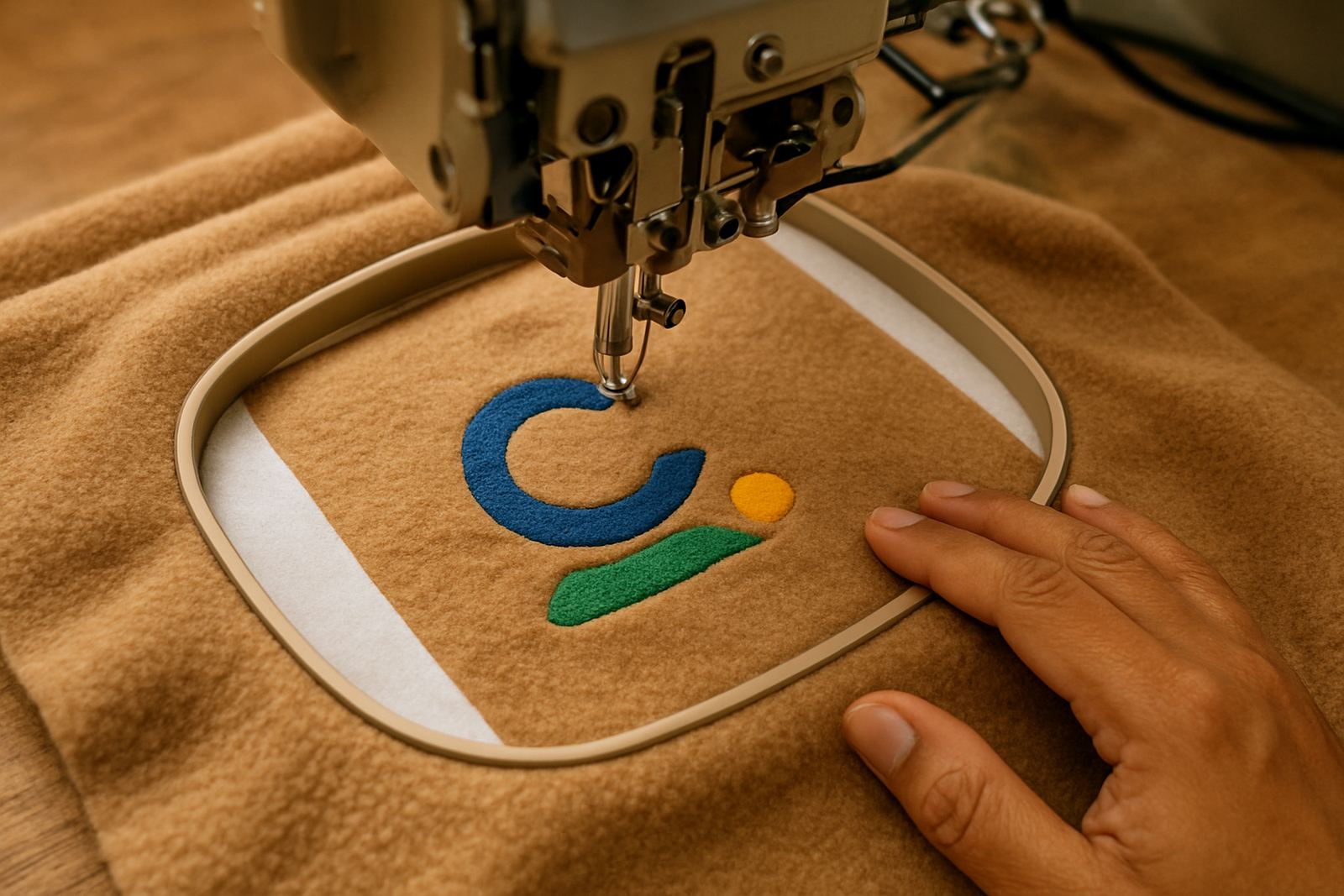
Fleece is soft, warm and practical, which is why so many Lowveld teams choose it for winter wear, site visits and school outings. But that softness changes how thread sits on the fabric. The pile can swallow fine detail, and the stretch in the garment means a logo that looks sharp on paper may look crowded once stitched.
That is why embroidery on fleece starts with the garment, not the artwork. A chest logo on a heavy fleece jacket behaves differently from a logo on a light golf shirt. The thickness of the fabric, the lining, and even the seam position all affect the final result. If the fleece is too thin, the stitches can pull. If it is very lofty, the design can sink into the surface and lose definition.
At CK Embroideries in Riverside, Mbombela, we look at where the garment will be worn, how often it will be washed, and whether it is for office staff, drivers, school groups or outdoor teams. That practical check saves a lot of disappointment later on, especially when the order is for 20 or 200 pieces.
What happens to a logo when it goes onto fleece
Logos often need simplification for fleece. Thin text, tiny detail and very fine linework can disappear into the texture. A strong outline usually reads better than a delicate one, and bold lettering is easier to stitch cleanly. In some cases the logo does not need to change much, but it may need a different thread count or a slightly larger size so the shape stays clear.
Here is what usually changes before stitching starts:
- Small lettering may be enlarged so it remains legible.
- Fine borders may be thickened to prevent break-up.
- Gradient effects are usually converted to solid thread colours.
- Dense fills may be reduced so the fleece does not pucker.
- Placement may move away from thick seams, zips or pockets.
These adjustments are not about cutting corners. They are about making the finished garment practical. On a fleece, a neat and slightly simpler logo often looks more professional than a crowded design that fights the fabric. Once the stitch file is set correctly, the embroidery sits better and lasts longer through normal wear and washing.
Backing, hooping and stitch density matter more than people think
Soft fabrics need support while they are being stitched. Backing helps keep the fleece steady so the machine does not pull the fibres around the design. The type of backing and how firmly the garment is hooped can make the difference between a clean logo and one that distorts at the edges. For thicker fleece, the backing has to do a lot of work, especially on large jacket backs or left-chest branding.
Stitch density is another big one. Too many stitches in one area can crush the pile and leave a hard patch on the fabric. Too few stitches and the logo looks thin or incomplete. The right balance depends on the garment weight, the logo shape and the thread colour. In Mbombela’s humid weather, we also watch how the fabric behaves after pressing and finishing, because moisture can affect the way fleece settles.
For team wear in White River or Malelane, where orders often include jackets for early mornings and cool evenings, a good setup means the branding stays tidy even after regular use. It also helps when the same design is repeated across different sizes, since a small fleece top and a large one do not take the same treatment.
Best uses for embroidered fleece in the Lowveld
Fleece works well for businesses and schools that need warmth without too much bulk. It is common for transport crews, reception teams, security staff, school staff, fundraising groups and outdoor project teams. In the Lowveld, many clients also use fleece garments for early morning setups, winter sporting events and travel between towns where the temperature can shift during the day.
Embroidery suits fleece because it gives a clean, permanent finish. It does not wash off, and it usually holds up well where screen printing or other methods may not be the best fit. For outerwear, a stitched logo also tends to look more formal than a print. That matters when the garment is part of a public-facing uniform or a school leadership outfit.
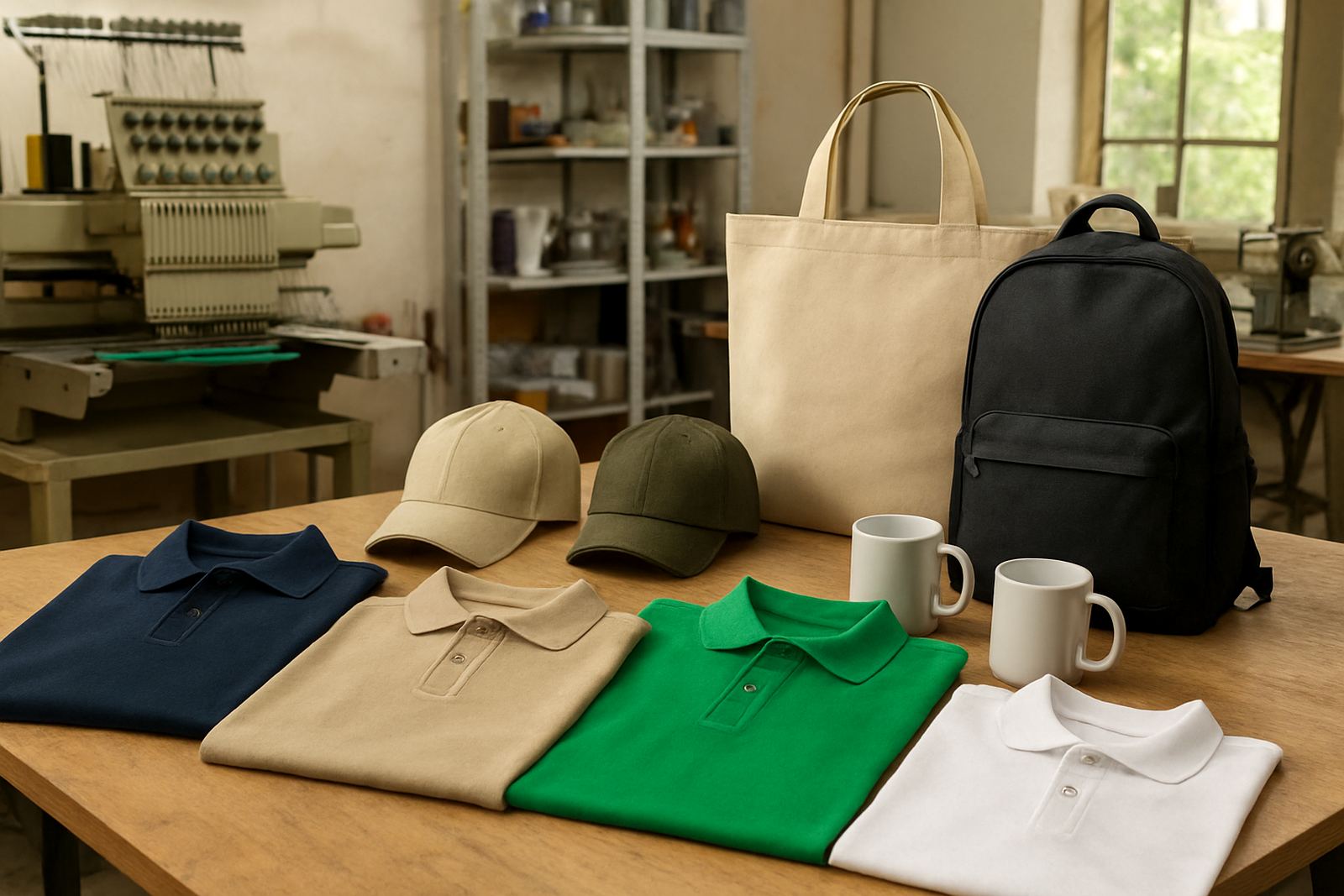
Common fleece items we brand include:
- Full-zip jackets for staff and drivers
- Quarter-zip pullovers for schools and clubs
- Track tops for travel and events
- Beanies and scarves where suitable
- Branded fleece gilets for indoor and outdoor use
Choosing colours and placement that work in real life
Dark fleece with a light logo is often the safest choice because the branding stands out clearly. But the colour balance has to suit the organisation too. A school in Hazyview may want colours that match its uniform, while a business in Barberton may prefer something that sits well with existing corporate wear. Thread colour, logo size and placement all need to work together.
Chest branding is common, but it is not the only option. Sleeve logos, upper back branding and name placement can all be used, depending on the garment and the purpose. The trick is not to overfill the surface. Fleece can look crowded if too many elements are stitched too close together, so spacing matters. A little breathing room often gives a cleaner result.
We also look at how the garment will be packed and worn. If fleece jackets are going to be folded into bags for a school trip or a staff event, the branding should sit where it is least likely to crease heavily. That small detail makes a difference to the presentation when the order is handed over.
A practical example from Mbombela to the smaller towns
A local company in Mbombela may place an order for fleece jackets for drivers and field staff, with the same logo going onto different sizes from small to 5XL. The first step is to check the artwork and simplify any details that will not hold on soft fabric. After that, the embroidery sample is tested on the chosen fleece weight so the team can see whether the logo sits proudly on the surface or needs a small adjustment.
From there, the order is packed by size and department so delivery is easier. That matters when the same order needs to go to White River, Kabokweni and Barberton in one run. If the garments are for school use, approval is often faster when the client sees a sample first, because parents and staff want the logo to look neat on every size.
In our experience, fleece orders go best when clients think about the garment as a working item, not just a branded item. It has to warm people, wash well and still look smart after a long season. That is what good embroidery is meant to do.
What to ask before you place a fleece embroidery order
If you are ordering embroidered fleece for a team, school or project, a few questions up front will save time and help the result match your expectations. The main point is to match the garment to the design, not the other way around. Once that is settled, the rest usually falls into place.
- Is the fleece light, medium or heavy weight?
- Does the logo have very fine text or small detail?
- Will the garments be worn indoors, outdoors or both?
- Do you need names as well as the main logo?
- Will the order need bulk packing by size, branch or department?
When those details are clear, embroidery on fleece becomes much easier to manage. The final result should feel like part of the garment, not something sitting on top of it. That is the standard we work toward on every order, whether it is for one branch in Mbombela or a wider Lowveld rollout.