
Start With the Care Label on Each Item
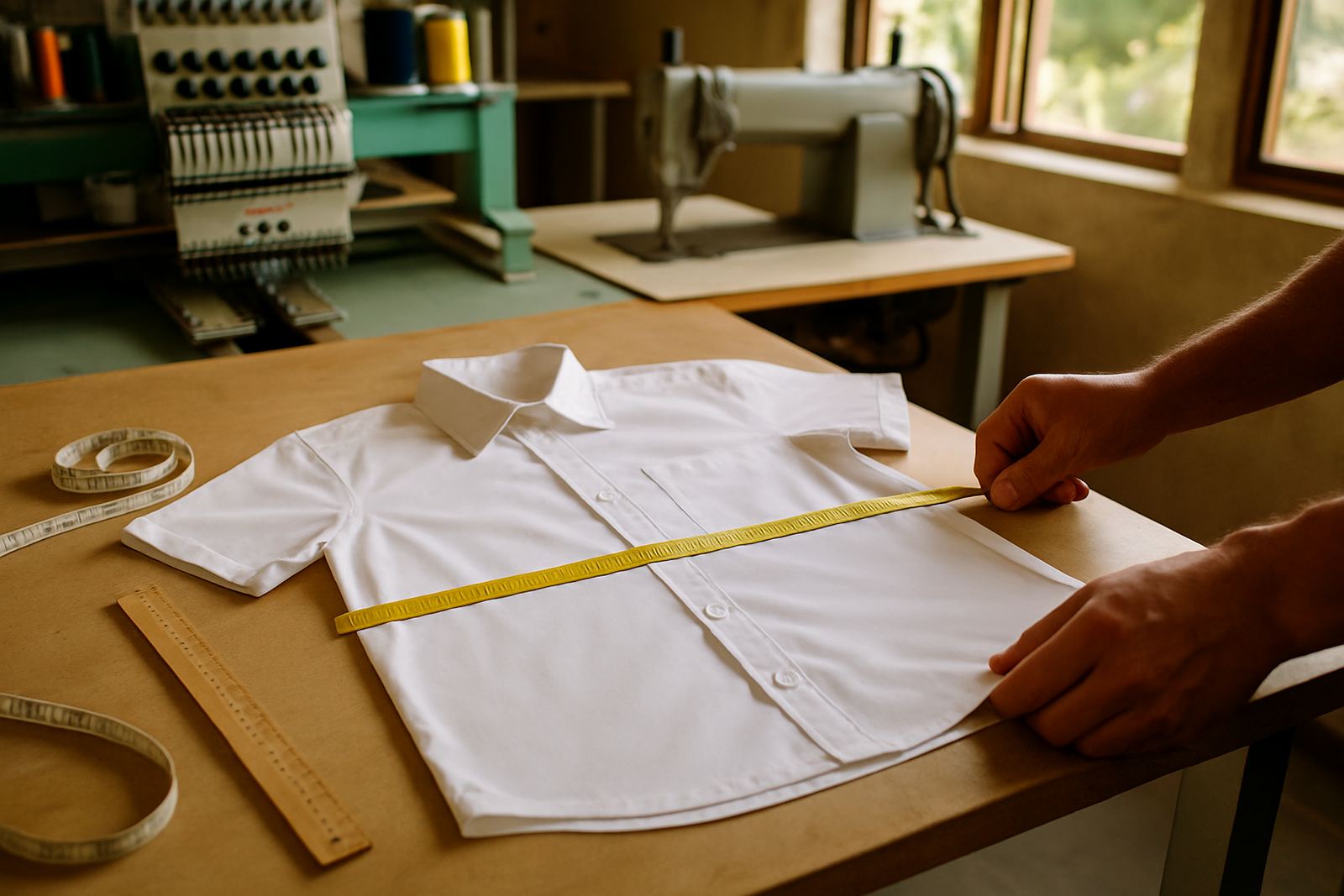
Always check the care label before washing. Different fabrics need different handling, and the same applies to embroidered shirts, printed T shirts, caps, bags and corporate wear. A quick check before the first wash can save you from shrinkage, fading or damage to the branding.
If the garment came with a special care note from us, follow that first. Heavy workwear, schoolwear, sublimated items and delicate blended fabrics may all need slightly different treatment.
- Read the label before the first wash
- Separate light and dark colours
- Check for loose threads or loose buttons before washing
- Do not ignore special instructions for heat sensitive prints
Washing Embroidered Clothing Gently
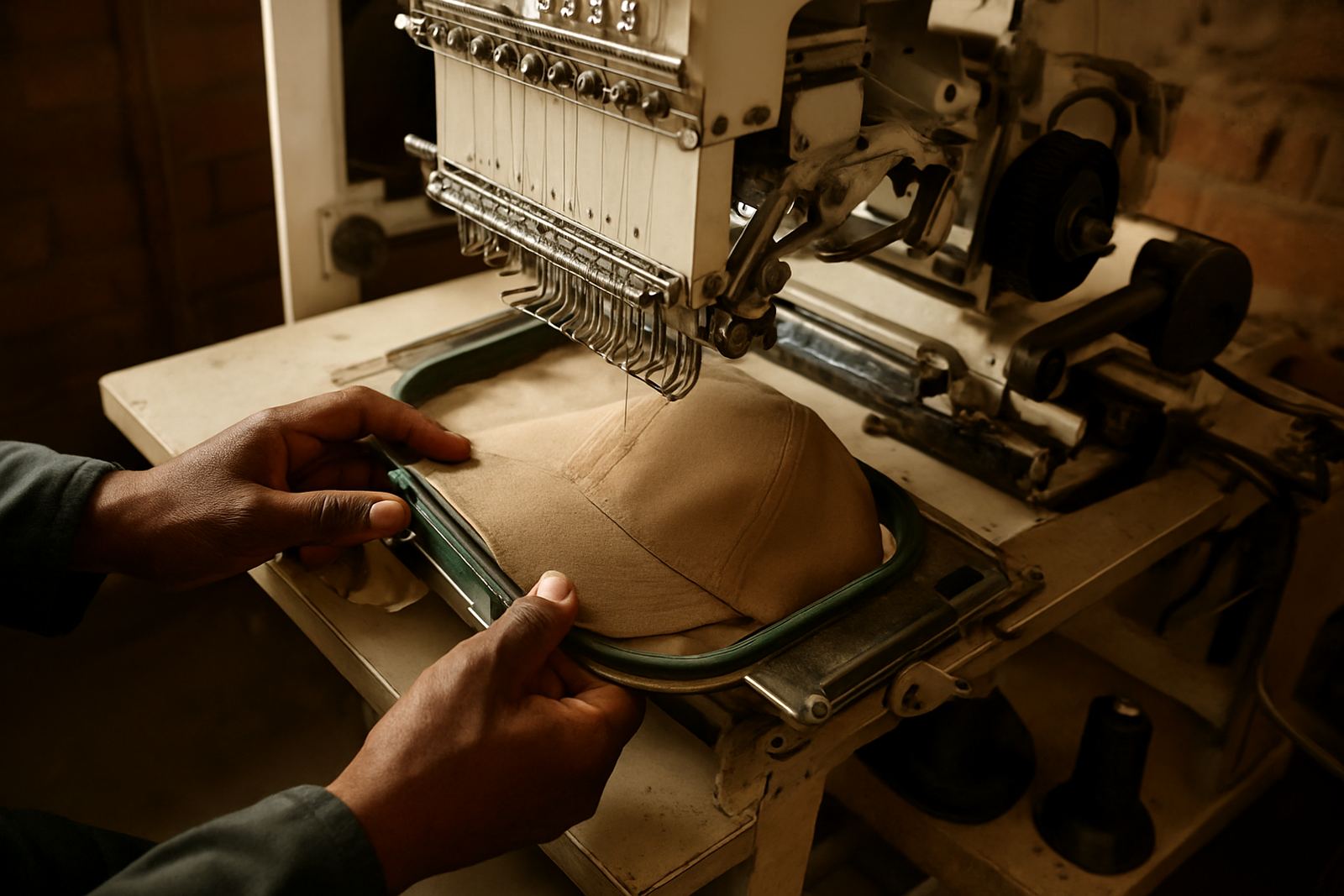
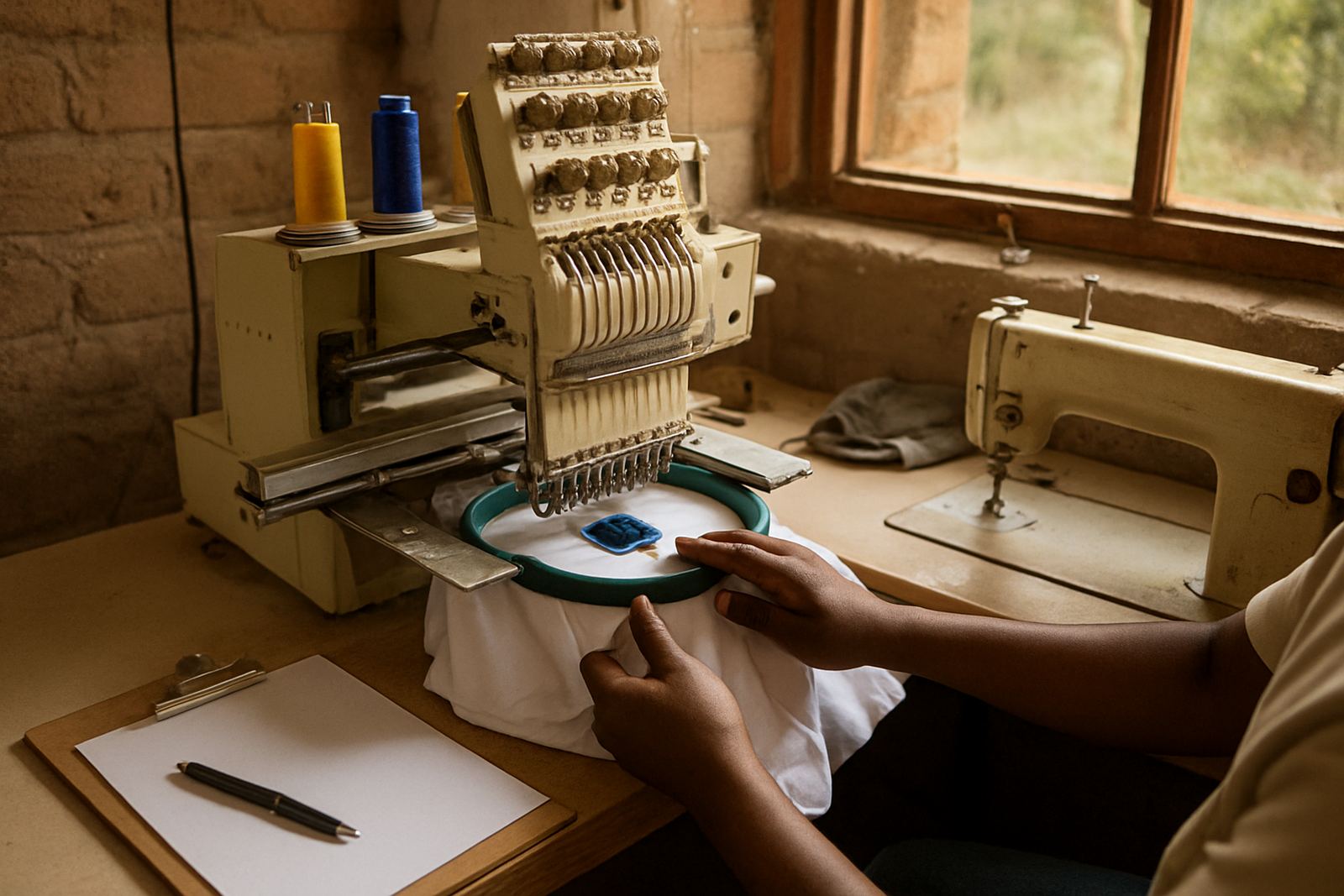
Embroidery is strong, but it still needs careful washing to keep the stitches neat and the fabric looking clean. Turn garments inside out before washing so the embroidery rubs less against other items in the drum. This matters for shirts, golf shirts, jackets and school items that get washed often.
Use cold or lukewarm water and a mild detergent. Hot water can be hard on some fabrics and may cause colours to run, especially on new items. If there are food marks, dust or perspiration stains, treat the area gently before the main wash.
- Wash inside out
- Use mild detergent only
- Avoid bleach and strong stain removers on branding
- Do not scrub the embroidery with a stiff brush
Looking After Screen Printed and Sublimated Items
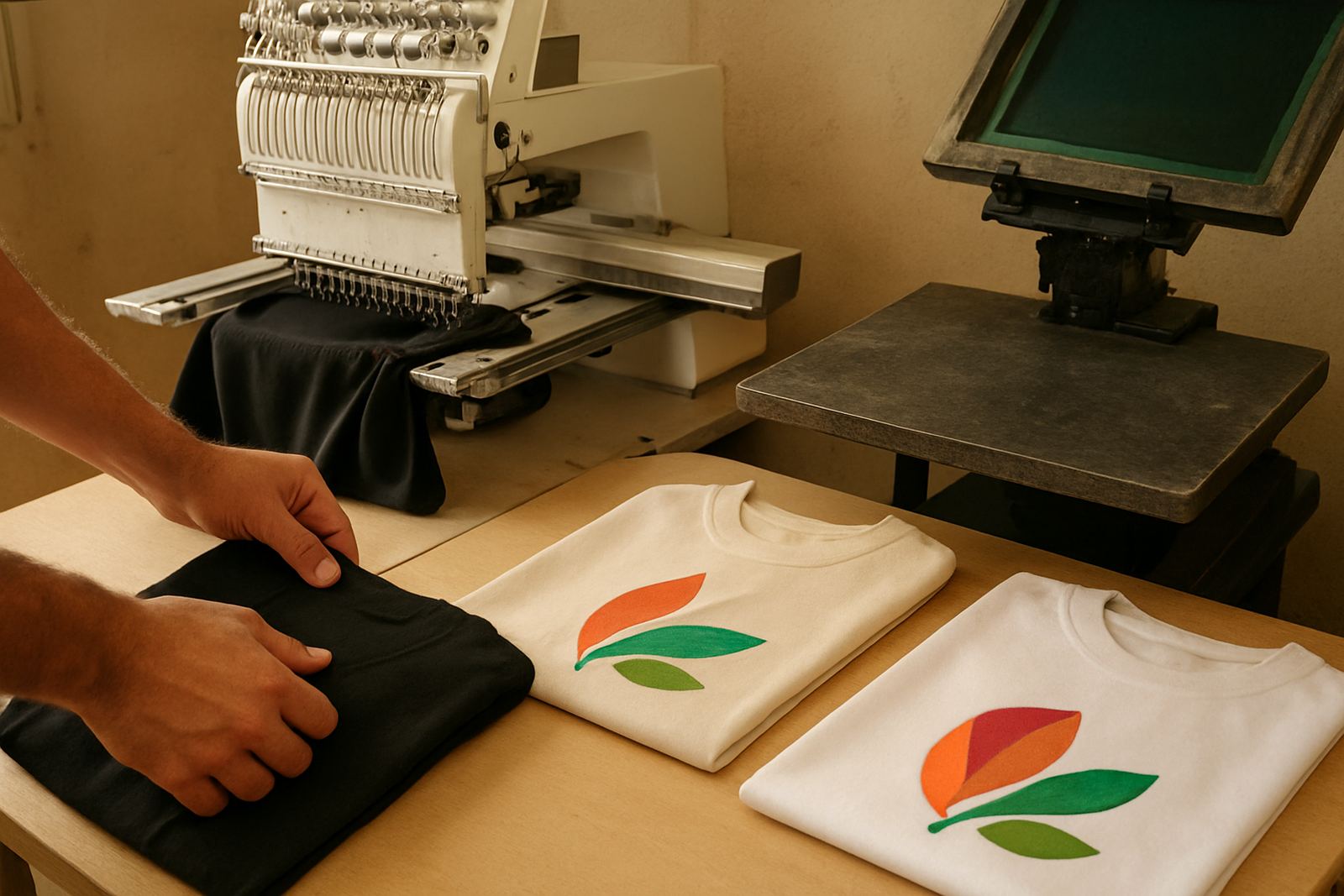
Printed garments need a little more care around heat and rubbing. Screen printed items should be washed inside out and not soaked for long periods. Sublimated clothing usually holds colour well, but it still benefits from a gentle wash so the fabric keeps its feel and shape.
Do not iron directly over a print. If you must iron, turn the item inside out or place a clean cloth over the decorated area. High heat can crack or shine some prints, and it can reduce the life of certain transfers and finishes.
- Turn printed clothing inside out before washing
- Wash on a gentle cycle where possible
- Keep hot irons away from print areas
- Do not wring printed garments too hard
Drying Without Damaging the Branding
Air drying is best for most branded clothing. Hang items in a shaded, well ventilated place rather than leaving them in direct sun for hours. In Mbombela and the Lowveld, strong sun can fade fabric quicker than people expect, especially on navy, black and red garments.
If you use a tumble dryer, keep the setting low and only when the care label allows it. High heat can weaken adhesive details, shrink some fabrics and cause prints to crack. For caps, bags and uniforms, reshaping the item while it is still slightly damp helps it hold its form.
- Dry in shade when you can
- Avoid direct midday sun for long periods
- Use low heat only if the label permits it
- Reshape caps and collars while damp
Storing Uniforms, Caps and Bags Properly
Clean storage helps branded items last longer and keeps them ready for the next event, shift or school day. Store clothing in a dry cupboard away from damp walls and direct moisture. This is especially important in humid areas like the Lowveld, where trapped moisture can lead to musty smells and mould spots.
Fold garments neatly or hang them on proper hangers so creases do not press into embroidery or print. Caps should be stored with the peak supported, and bags should be kept empty and dry. If an item must be packed away for a while, make sure it is fully dry first.
- Store in a dry, ventilated place
- Do not pack away damp clothing
- Use hangers for shirts and jackets
- Keep caps shaped and bags empty
Handling Bulk Orders for Schools and Businesses
When you are caring for a full set of uniforms or corporate clothing, one small habit can make a big difference. Tell staff, learners or team members how to wash the items before the first wear. A simple instruction sheet helps keep the whole order looking consistent, which matters for schools, contractors, offices and event teams.
For large orders, separate items by colour and fabric type before washing. This makes sorting easier and helps avoid damage from zips, Velcro and buttons. If a garment has a custom name or number, take extra care around that area so the personalisation stays clear.
- Give the same care instructions to all users
- Sort items by colour and fabric before washing
- Keep zips and Velcro closed to prevent snagging
- Check personalised items before every wash
What to Do if a Logo Starts Lifting or Fading
If you notice loose threads, lifting on a printed section or fading after repeated washes, stop using heat on that item and inspect it closely. Some wear is normal over time, but early attention can prevent the problem from getting worse. Do not try to fix embroidery with glue or household adhesive, as this can damage the fabric and make future repairs difficult.
For garments used often in the field or on site, regular inspection is worth the effort. A quick check after washing or before an event can help you catch damage early and keep your uniforms looking presentable.
- Stop using high heat on the affected area
- Do not apply glue or harsh chemicals
- Inspect items after each wash cycle
- Replace worn workwear before the branding is too damaged